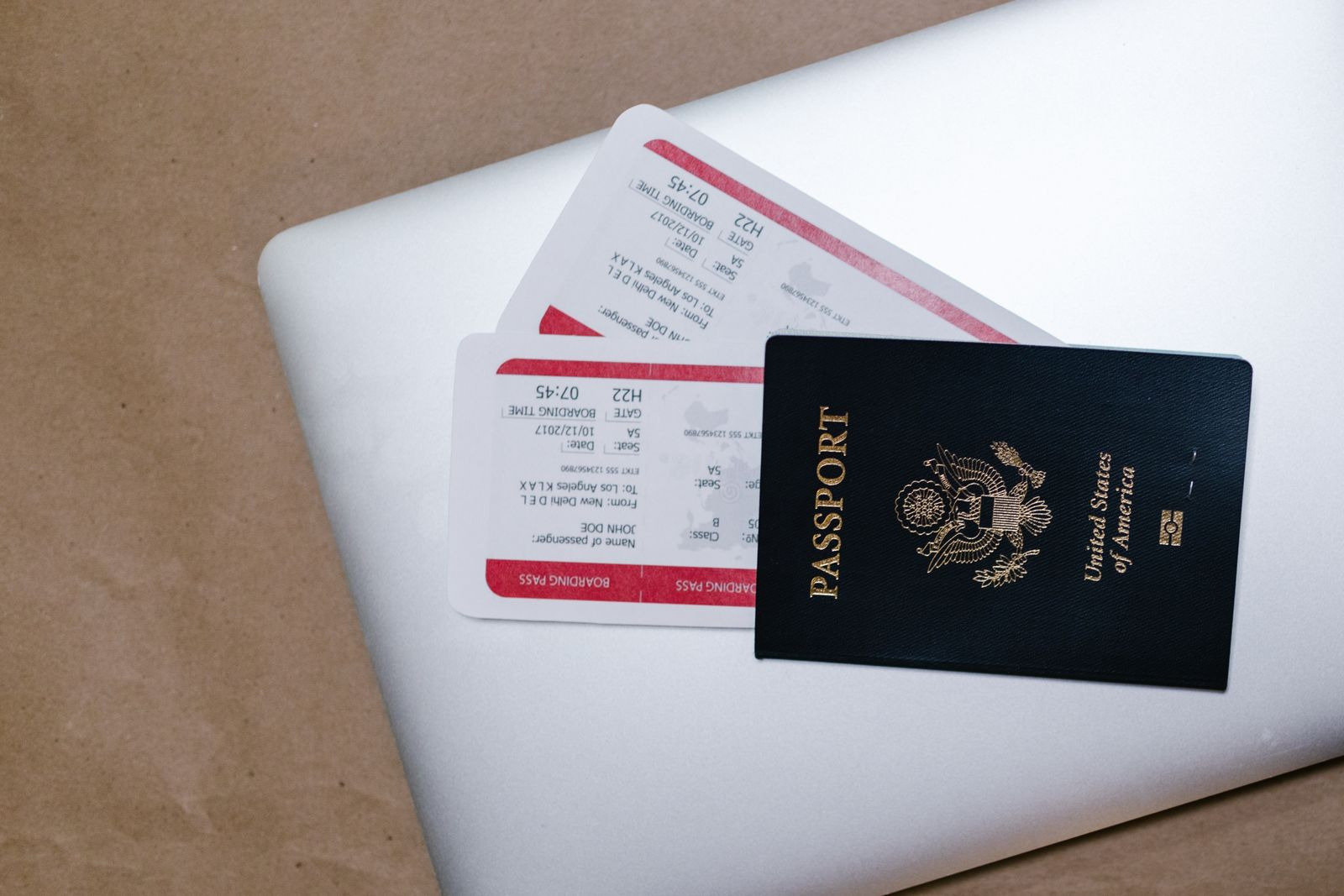
The United States continues to be a premier destination for employment, drawing a vast number of foreign workers every year through various visa sponsorship initiatives. The High-Paying Visa Sponsorship Program, as it is broadly referenced, incorporates multiple visa classifications aimed at addressing workforce gaps in both professional and non-professional fields. This comprehensive overview explores the diverse visa categories available, outlines the application mechanisms, details compensation structures, discusses pertinent legal issues, and directs prospective applicants to useful resources.
The U.S. government's visa sponsorship system empowers employers to recruit foreign talent when sufficiently qualified American workers are unavailable. Although the official title "High-Paying Visa Sponsorship Program" does not exist as a singular entity, this term collectively refers to the current employment-based visa categories. Among these are the H-1B, H-2A, H-2B, EB-3, and other visa types. These visas serve industries such as technology, healthcare, agriculture, and hospitality, offering competitive salaries and potential routes to permanent residency.
Eligible Occupations Under the Program
Professional and Skilled Positions
Positions categorized as skilled generally require specific education credentials, specialized training, or professional certifications. The primary sectors include:
- Technology Sector
- Software Developers, eligible under H-1B and employment-based EB-2 and EB-3 visa classifications.
- Data Scientists, primarily sponsored through the H-1B visa.
- Cybersecurity Analysts, also under the H-1B category.
- Information Technology Project Managers, often transferred via the L-1 visa for intra-company mobility.
- Healthcare Sector
- Registered Nurses, sponsored through H-1B and EB-3 visa programs.
- Physicians and Surgeons, eligible for H-1B, O-1 (for individuals with extraordinary ability), and EB-1 visas.
- Medical Researchers, primarily under EB-1 and EB-2 visas.
- Physical Therapists, who commonly qualify for H-1B visas.
- Education and Academic Fields
- University Professors, sponsored under J-1 exchange visitor and H-1B visa categories.
- Research Scientists, eligible for O-1 and EB-1 visas.
- STEM (Science, Technology, Engineering, and Mathematics) Educators, who typically apply under the H-1B visa.
- Engineering and Architecture
- Civil Engineers, qualifying through H-1B and EB-2 visas.
- Mechanical Engineers, sponsored via the H-1B visa.
- Architects, also under the H-1B visa category.
- Business and Finance
- Financial Analysts, typically sponsored through the H-1B visa.
- Management Consultants, often eligible for L-1 intra-company transfer visas.
- Marketing Managers, primarily under the H-1B visa classification.
Non-Skilled or Unskilled Positions
These roles generally do not require formal educational qualifications but are essential to certain key industries. Examples include:
- Agriculture and Farming
- Seasonal Farmworkers, typically sponsored via the H-2A visa.
- Livestock Handlers, also under the H-2A visa program.
- Crop Harvesters, eligible through the H-2A visa.
- Hospitality and Tourism
- Hotel Housekeeping Staff, under the H-2B visa for non-agricultural temporary workers.
- Restaurant Workers, also sponsored via the H-2B visa.
- Resort Maintenance Staff, eligible through the H-2B visa program.
- Construction and Manufacturing
- Construction Laborers, under the EB-3 "Other Workers" subcategory or H-2B visas.
- Assembly Line Workers, primarily under the EB-3 "Other Workers" visa.
- Warehouse Packers, also eligible for EB-3 "Other Workers" visas.
- Landscaping and Forestry
- Landscaping Crew Members, typically sponsored through the H-2B visa.
- Tree Planters, also under the H-2B visa category.
- Retail and Service Industry
- Retail Stock Associates, eligible through the EB-3 "Other Workers" subcategory.
- Janitorial Staff, also under the EB-3 "Other Workers" visa classification.
For unskilled positions, employers must demonstrate to the Department of Labor (DOL) that there is a shortage of available U.S. workers before sponsoring foreign employees. This is achieved through a certification process that confirms recruitment efforts have failed to fill the positions domestically.
Important Considerations
- Skilled Positions: These roles require applicants to have specialised academic degrees, certifications, or relevant experience. When sponsoring for permanent residency, employers must obtain PERM labor certification to prove the absence of qualified American workers.
- Unskilled Roles: These jobs are usually temporary or seasonal and do not require formal education. Employers must secure certification from the Department of Labor confirming that no U.S. workers are able to fill these roles.
Visa Options for Skilled Workers
H-1B Visa
- Purpose: Created for specialty occupations that require at least a bachelor's degree or equivalent experience. Common fields include information technology, engineering, and healthcare.
- Details:
- The annual cap is set at 85,000 visas, with 65,000 allocated to the general pool and an additional 20,000 reserved for applicants holding advanced degrees from U.S. institutions.
- This visa is employer-sponsored and requires submission of a Labor Condition Application (LCA) to ensure that wages offered meet prevailing standards and working conditions comply with regulations.
- Policy trends discussed in this guide: Anticipated enhancements include stricter wage enforcement and prioritisation of applications offering higher salaries.
L-1 Visa
- Purpose: Designed for intracompany transferees, including managers, executives, and employees with specialised knowledge.
- Details: This visa category has no annual cap but demands that the applicant has worked for the sponsoring company for at least one continuous year within the past three years.
O-1 Visa
- Purpose: Intended for individuals who demonstrate extraordinary ability or achievement in fields such as arts, sciences, athletics, education, or business.
- Details: No numerical limits exist, but applicants must provide substantial evidence supporting their extraordinary qualifications.
TN Visa
- Purpose: Available to Canadian and Mexican citizens engaged in specific professions as defined by the United States-Mexico-Canada Agreement (USMCA), including accountants, engineers, and scientists.
- Details: There is no annual quota, and the visa can be renewed indefinitely as long as employment continues.
Employment-Based Green Cards (EB-2 and EB-3)
- Purpose: These categories grant permanent residency to skilled workers. EB-2 targets those with advanced degrees or exceptional ability, while EB-3 covers skilled workers, professionals, and less-skilled “other workers.”
- Details:
- The EB-3 "Other Workers" category includes unskilled positions such as janitorial and laborer jobs but is limited to 5,000 visas annually, often resulting in lengthy waiting periods.
- PERM labor certification is mandatory to verify the unavailability of qualified U.S. workers.
Visa Programs for Unskilled and Seasonal Workers
a. H-2A Visa
- Purpose: To allow temporary agricultural workers to fill seasonal or peak crop production needs.
- Details:
- There is no cap on the number of H-2A visas issued annually; however, employers must demonstrate a shortage of domestic workers willing and able to perform the work.
- Policy trends discussed in this guide: Legislative efforts such as the Farm Workforce Modernisation Act may introduce provisions providing a pathway to citizenship for certain agricultural workers.
b. H-2B Visa
- Purpose: Designed for temporary non-agricultural roles, including landscaping, hospitality, and resort maintenance.
- Details:
- The annual cap for H-2B visas is 66,000, with possible additional allocations depending on demand.
- Employers must verify that the work is temporary and that there is a shortage of able U.S. workers.
c. EB-3 "Other Workers"
- Purpose: Provides permanent residency options for unskilled workers.
- Challenges: The limited availability of only 5,000 visas per year and significant backlogs mean long wait times for beneficiaries.
Visa Sponsorship Process
- Labor Certification (PERM): For employment-based green cards, the employer must conduct a test of the U.S. labor market to confirm no qualified U.S. workers are available for the position.
- Petition Filing: Employers file Form I-140 for immigrant petitions (green cards) or Form I-129 for non-immigrant visas.
- Fees and Compliance: Sponsoring employers bear the cost of filing fees and are responsible for adhering to wage and working condition requirements dictated by the Department of Labor and USCIS.
Working With an Immigration Attorney or Visa Lawyer
Given the complexity of the U.S. immigration system, particularly concerning employment-based visas, collaborating with an experienced immigration attorney or visa lawyer can be invaluable. Legal professionals help streamline the application process, reduce the risk of errors, and keep clients abreast of regulatory changes. The following sections outline their primary functions, guidelines for selecting the right attorney, and the advantages of legal representation.
Reasons to Retain an Immigration Attorney
U.S. immigration laws are detailed and frequently updated, requiring meticulous attention to documentation and deadlines. Even minor mistakes such as filing errors, missing deadlines, or incomplete evidence submissions can cause significant delays, application denials, or future disqualification from visa eligibility. Attorneys bring expertise in interpreting complex laws, formulating case-specific strategies, and advocating on behalf of clients during administrative or judicial proceedings.
Core Responsibilities of Immigration Attorneys
Green Card and Adjustment of Status: Attorneys manage the multi-phase process for employment-based green card applicants, including overseeing the PERM labor certification, monitoring priority dates, and preparing clients for adjustment of status interviews.
Case Evaluation and Strategic Planning: Legal experts assess an applicant’s qualifications, the nature of the job offer, and long-term immigration goals to determine the most appropriate visa category. They identify possible challenges, such as prior visa denials or employment gaps, and propose alternative pathways if necessary.
Document Preparation and Review: Lawyers ensure that all required forms-such as Form I-129 for H visas or Form I-140 for immigrant petitions-are accurately completed and supported by sufficient evidence, including:
- Academic credentials and degree evaluations, especially for H-1B applicants.
- Labor certifications (PERM) for employment-based visa categories.
- Financial documentation from employers proving their ability to pay the offered wages.
- Legal briefs for complex cases, including O-1 visas for extraordinary ability applicants.
Employer Compliance Guidance: Attorneys assist employers in meeting Department of Labor and USCIS requirements, such as:
- Determining prevailing wages to ensure fair compensation.
- Conducting mandatory recruitment efforts for PERM certification.
- Ensuring adherence to specific visa conditions like housing standards for H-2A workers.
- Representing employers during audits or site visits by government agencies.
Managing Denials, Requests for Evidence (RFEs), and Appeals: When petitions are denied or RFEs issued, attorneys analyze issues, gather supplementary documentation, and file appeals or motions to reopen cases. For example, they may contest USCIS claims that a position does not qualify as a specialty occupation under the H-1B visa category.
Selecting the Appropriate Immigration Attorney
- Assess Credentials and Experience
- Confirm licensure through official state bar associations, such as the California State Bar.
- Seek membership in professional organizations like the American Immigration Lawyers Association (AILA), which signals specialization in immigration law.
- Prioritize attorneys with a proven track record handling cases within your specific visa category, whether it be H-2B seasonal workers or EB-1 extraordinary ability visas.
- Beware of Warning Signs
- Any attorney guaranteeing visa approval should be approached with caution, as no one can guarantee outcomes.
- Lack of transparency regarding legal fees, processes, or timelines.
- Poor communication habits, such as failing to return calls or providing vague responses.
For foreign nationals moving to the United States through the High-Paying Visa Sponsorship Program, securing suitable housing is a vital step towards achieving stability upon arrival. Yet, the U.S. housing market can be complex to navigate, particularly for non-residents or those holding temporary visas. This section offers a comprehensive exploration of mortgage choices, housing alternatives, legal factors, and financial strategies designed specifically for visa holders, empowering them to make knowledgeable decisions whether they intend to rent or purchase property.
1. Understanding the U.S. Housing Market
Current TrendsThe U.S. housing market is shaped by various influences including a gradual recovery from the pandemic, fluctuating mortgage interest rates, and significant regional differences across the country. Key features include:
- Home Prices: The median price for homes nationally is about $415,000. However, this number varies greatly depending on location, with places like California seeing median prices above $750,000, while Midwest states generally have median home prices closer to $300,000.
- Interest Rates: Mortgage interest rates for 30-year fixed loans average between 6.5% and 7.5%. These rates have decreased somewhat from their 2023 peaks but remain higher than the historically low rates seen before 2020.
- Housing Inventory: Urban areas such as New York and San Francisco continue to experience housing shortages, driving competition and prices upward. In contrast, suburban and rural regions are benefiting from increased construction and availability.
- Rental Market: The typical rent for a one-bedroom apartment is roughly $1,800 per month. Certain cities, including Miami and Austin, have seen annual rent increases in the double digits, reflecting strong demand.
Individuals holding U.S. work visas encounter distinct challenges when approaching the housing market, especially if they intend to purchase property. Some of these challenges include:
- Limited Credit History: Many foreign nationals do not have an established U.S. credit score, which can hinder approval for mortgages or rental agreements.
- Temporary Residency: Lenders often view temporary visa holders (such as those on H-1B or L-1 visas) as higher-risk borrowers due to their non-permanent status.
- Down Payment Requirements: Non-resident buyers are frequently required to provide significantly larger down payments than U.S. citizens, typically ranging from 15% to 30%, compared to the 3% to 5% minimum often available to citizens.
2. Mortgage Options for Visa Holders
Types of Mortgages AvailableVisa holders have access to various mortgage products depending on their visa type, residency status, income documentation, and credit profile. The most common options include:
- Conventional Loans
- Eligibility: Typically available to visa holders who have been employed in the U.S. for at least two years and maintain a valid visa for the duration of the loan. For instance, an H-1B visaholder with more than three years left on their visa term is often eligible.
- Down Payment: Non-residents are generally expected to provide between 15% and 25% down payment.
- Lenders: Major financial institutions such as Wells Fargo, Chase, and various credit unions offer these loans.
- FHA Loans
- Eligibility: These loans are designed for lawful residents who possess a Social Security Number (SSN). They require a relatively low down payment of 3.5% but necessitate the borrower to pay mortgage insurance premiums (MIP).
- Limitations: Not all lenders extend FHA loans to non-permanent residents, so availability may vary.
- ITIN Loans
- Applicants without an SSN: Those who lack a Social Security Number but have an Individual Taxpayer Identification Number (ITIN) can apply for these loans. The ITIN serves as an alternative means for credit verification.
- Down Payment & Rates: Down payments typically range from 15% to 30% and interest rates are higher, often between 8% and 10%.
- Lenders: Specialized lenders such as Quontic Bank and Bank of America offer ITIN mortgage products.
- Jumbo Loans
- Purpose: Intended for high-cost real estate markets, jumbo loans cover amounts exceeding conforming loan limits, which are $1,089,300 in most U.S. regions.
- Requirements: These loans require more stringent income verification and typically necessitate a down payment between 20% and 30%.
- Non-QM Loans
- Features: Non-Qualified Mortgage loans accept non-traditional documentation such as foreign income verification, assets held abroad, or alternative credit histories.
- Considerations: These loans usually come with higher fees and interest rates, often ranging from 7% to 12%, reflecting the increased risk to lenders.
- H-1B Visa Holders: Individuals on H-1B visas often qualify for conventional loans if they have at least two years of continuous U.S. employment and a valid job offer extending beyond the loan term.
- L-1 Visa Holders: Those on L-1 visas can qualify by providing proof of prior overseas employment and demonstrating the stability of their U.S. employer.
- EB-2/EB-3 Green Card Applicants: Applicants with green card petitions in progress may benefit from more favorable loan terms, such as lower down payment requirements and improved loan conditions.
3. Steps to Secure a Mortgage
Step 1: Build Credit HistoryEstablishing a solid U.S. credit history is essential for obtaining competitive mortgage terms. Visa holders can adopt several strategies to build or enhance their credit profile:
- Open a Secured Credit Card: Products such as the Discover Secured Card allow individuals to build credit by depositing collateral and making regular payments.
- Become an Authorized User: Being added to a U.S. citizen's credit card account as an authorized user can help build credit history through the primary cardholder's positive payment record.
- Use Rent and Utility Payment Reporting Services: Platforms like Experian Boost enable the reporting of on-time rent and utility payments to credit bureaus, improving credit scores.
Accumulating savings for a down payment is a critical part of the mortgage process. Visa holders should consider the following:
- Target Amount: Strive to save at least 20% of the home's purchase price to avoid private mortgage insurance (PMI), which adds to monthly expenses.
- Documentation of Assets: Be prepared to provide proof of assets, including bank statements, property sales records, or other financial documents from both U.S. and foreign sources.
Mortgage lenders require extensive documentation to evaluate eligibility and risk. Visa holders should collect:
- Copies of their visa and passport.
- An employment verification letter detailing salary and contract length.
- At least two years of U.S. tax returns, or foreign equivalents if applicable.
- Bank statements from domestic and international accounts.
Not all lenders have experience working with non-resident borrowers or offer the same loan products. When evaluating lenders, ask:
- Do you provide mortgages to non-resident visa holders?
- What down payment is required for my visa category?
- Are there any prepayment penalties or balloon payment clauses involved?
Obtaining a mortgage pre-approval letter is beneficial as it:
- Demonstrates to sellers that you are a serious buyer with verified financing.
- Typically remains valid for 60 to 90 days, providing a window to search for properties.
Regional Housing Guides
Top Cities for Visa Holders- Dallas, Texas: Dallas offers relatively affordable housing with a median home price around $350,000. The state has no personal income tax, and the local job market is vibrant, making it attractive for visa holders.
- Raleigh, North Carolina: With a growing technology sector, Raleigh presents opportunities for skilled workers. The median home price is approximately $400,000, balancing affordability and amenities.
- Chicago, Illinois: Chicago boasts diverse neighborhoods and generally lower housing costs compared to coastal metropolitan areas, providing options for various budgets.
Step-by-Step Guide to the USA’s Visa Sponsorship Programs Application Process
Securing an employment-based visa to work in the United States involves a multi-stage procedure. From obtaining a job offer to completing consular interviews, this section outlines the detailed phases for both skilled and unskilled visa categories such as H-1B, H-2A, H-2B, EB-3, and others.
Phase 1: Preparation and Job Search
Step 1: Identify Eligible Visa Categories- Skilled Workers: Determine if your occupation qualifies for visas like H-1B (specialty occupations), L-1 (intracompany transfers), EB-2/EB-3 (employment-based green cards), or O-1 (individuals with extraordinary abilities).
- Unskilled Workers: Explore options such as H-2A (agricultural workers), H-2B (non-agricultural seasonal workers), or EB-3 Unskilled (permanent roles).
- Job Portals: Utilize platforms like LinkedIn, Indeed, or job-specific sites to find suitable employment opportunities.
- Employer Sponsorship: Verify that the employer is authorized and willing to sponsor a foreign worker’s visa, as not all companies participate in visa sponsorship programs.
Employers must fulfill several criteria to participate in visa sponsorship:
- Register with the U.S. Department of Labor (DOL) and the U.S. Citizenship and Immigration Services (USCIS).
- Demonstrate sufficient financial resources to pay the wage offered to the foreign worker.
- Adhere to visa-specific requirements, such as submitting a Labor Condition Application (LCA) for H-1B positions.
Phase 2: Labour Certification (If Required)
Important: Labor certification is a mandatory step for most permanent visas like EB-3 and some temporary visas such as H-2A and H-2B. This process confirms that there are no qualified U.S. workers available for the job.
Step 4: File a Labour Certification (PERM for EB-3)- Prevailing Wage Request: The employer submits Form ETA-9141 to the DOL to establish the minimum wage that must be offered to the foreign worker.
- Recruitment Efforts:
- Job Postings: The employer advertises the position locally for 30 to 60 days to identify any eligible U.S. applicants.
- Recruitment Report: The employer documents the rejection of U.S. applicants, providing valid reasons such as lack of necessary skills.
- Submit PERM Application: The employer files Form ETA-9089 with the DOL, initiating a processing period that typically lasts 6 to 12 months.
Exceptions: Visas such as H-1B and L-1 do not require PERM but do require a Labor Condition Application (LCA) in the case of H-1B.
Phase 3: File the Visa Petition
Step 5: Submit Form I-129 (Temporary Visas)- Applicable Visas: This includes H-1B, H-2A, H-2B, and L-1 visa categories.
- Process:
- The employer completes Form I-129 along with supporting documents such as the job offer letter, proof of the company's financial health (e.g., tax returns), and the Labor Condition Application for H-1B visas.
- Filing fees ranging from $460 to $4,500 are paid depending on the visa type.
- The petition is submitted to USCIS either by mail or electronically.
- Applicable Visas: EB-2 and EB-3 categories.
- Process:
- After the labor certification is approved, the employer files Form I-140 with USCIS.
- Documentation proving the employee’s qualifications, such as degrees and experience letters, must accompany the application.
- Filing fees between $700 and $3,675 apply, depending on the processing speed selected.
Note: EB-1 applicants with extraordinary abilities and EB-2 National Interest Waiver (NIW) candidates may self-petition without employer sponsorship.
Phase 4: Consular Processing or Adjustment of Status
Step 7: Wait for USCIS Approval- Processing Times:
- H-1B petitions generally take between 2 and 6 months, though premium processing is available for a fee of $2,805, which expedites the decision to 15 days.
- EB-3 petitions can take 1 to 2 years or more, depending on the applicant’s country of origin and backlog.
- Check Status Online: Applicants can track their case status using the USCIS receipt number on the USCIS Case Status Tracker website.
For applicants outside the United States, the next step involves visiting a U.S. consulate or embassy to obtain the visa stamp in their passport. This process includes submitting required forms, attending a visa interview, and providing biometrics. Approval allows entry to the U.S. with the appropriate work authorization.
- Complete Form DS-160: Begin by filling out the online nonimmigrant visa application form, DS-160. This form collects essential personal and travel information required for your visa process.
- Access the form here: CEAC DS-160 Portal
- Pay Visa Fees: The cost of your visa application will vary depending on the visa type, typically ranging from $190 to $265. Be prepared to pay this fee as part of your application submission.
- Schedule an Interview: After submitting your application and paying the fees, arrange an appointment for a visa interview at a U.S. embassy or consulate near you. This interview is a critical part of the approval process.
- Prepare Required Documents: Collect and organize all necessary documentation to present at your interview. These include:
- A valid passport with at least six months remaining before expiration.
- Your USCIS approval notice, also known as Form I-797, which confirms that your petition has been approved.
- Evidence demonstrating strong ties to your home country, such as property ownership or family relationships, which supports your intent to return after your visa expires.
- Common Interview Questions: During your interview, expect questions regarding your job role, the employer sponsoring your visa, and your intentions after your visa period ends. For non-immigrant visas, you will need to convincingly demonstrate your plan to return to your home country after your authorized stay in the U.S.
- Approval Process: If your visa is approved, the consular officer will stamp your passport with the visa. The validity of this visa will depend on the specific visa classification you applied for.
If you are already inside the United States and hold an Employment-Based visa, you may file Form I-485 to adjust your status to that of a permanent resident, enabling you to stay indefinitely.
Phase 5: Post-Approval Steps
Step 10: Enter the U.S. and Validate Status- Port of Entry: Upon arrival at a U.S. port of entry, present both your visa and the USCIS approval notice to Customs and Border Protection (CBP) officers. They will verify your documents and grant you admission.
- I-94 Admission Record: After entry, it is important to check your admission details and authorized period of stay by visiting the official I-94 Website. This record confirms your legal status in the country.
- Social Security Number (SSN): To work legally, apply for a Social Security Number by submitting Form SS-5 at your local Social Security Administration office. This number is crucial for tax and employment purposes.
- State-Specific Requirements: Be aware that certain professions, such as healthcare roles, may require additional state licenses or certifications before you can begin working. Ensure you fulfill these prerequisites.
- H-1B Visa Extensions: To continue working beyond your visa's expiration, submit an extension petition in a timely manner before your current visa expires.
- Changing Employers: If you decide to switch jobs, you must file a new petition with USCIS to transfer your visa to your new employer.
- Green Card Holders: For permanent residents with conditional status, remember to file to remove conditions when eligible and renew your green card every ten years to maintain your lawful status.
Special Cases and Exceptions
H-1B Cap Registration (For Skilled Workers)- Employer Registration: Each year in March, employers must submit registrations for the H-1B lottery, which selects candidates for limited visa numbers.
- Selection Notification: USCIS informs employers and applicants of lottery selections by March 31.
- Filing Full Petition: Only those selected in the lottery may proceed to submit the complete Form I-129 petition for visa approval.
- Temporary Labor Certification (TLC): Employers must file a TLC application with the Department of Labor 60 to 75 days before the intended start date of the seasonal work.
- Recruitment Efforts: Employers are required to advertise the available jobs locally for a period ranging from 10 to 30 days to ensure no qualified U.S. workers are displaced.
- Visa Issuance and Return: Seasonal workers are expected to return to their home countries upon completion of the season unless an extension is granted.
Common Pitfalls and Solutions
- Request for Evidence (RFE): Often issued when initial application materials are incomplete or insufficient.
- Causes: Missing documentation or lack of detailed evidence supporting the petition.
- How to Respond: Provide additional proof such as comprehensive job descriptions, financial statements of the employer, or other relevant documents to satisfy USCIS requirements.
- Visa Denials: If your visa application is denied, you have options.
- Appeals: You may file Form I-290B within 30 days to appeal the decision.
- Reapplication: Alternatively, address the reasons for denial-such as strengthening proof of your non-immigrant intent for H-1B visas-and submit a new application.
- Processing Delays: Sometimes applications take longer than expected.
- Premium Processing: For an additional fee of $2,805, available for certain visa categories including H-1B, L-1, and EB-1/2/3, USCIS guarantees a 15-day processing time, expediting your case.
Checklist for Applicants
Adhering to all steps carefully and preparing all documents thoroughly will increase the chances of a smooth visa application process.
Conclusion
The U.S. visa sponsorship journey demands careful attention to detail and strict adherence to procedures. By following this guide, applicants can avoid common pitfalls, comply with all regulations, and successfully secure work opportunities through the relevant visa category.
Apply Now: Begin your application today through the USCIS Visa Application Portal.