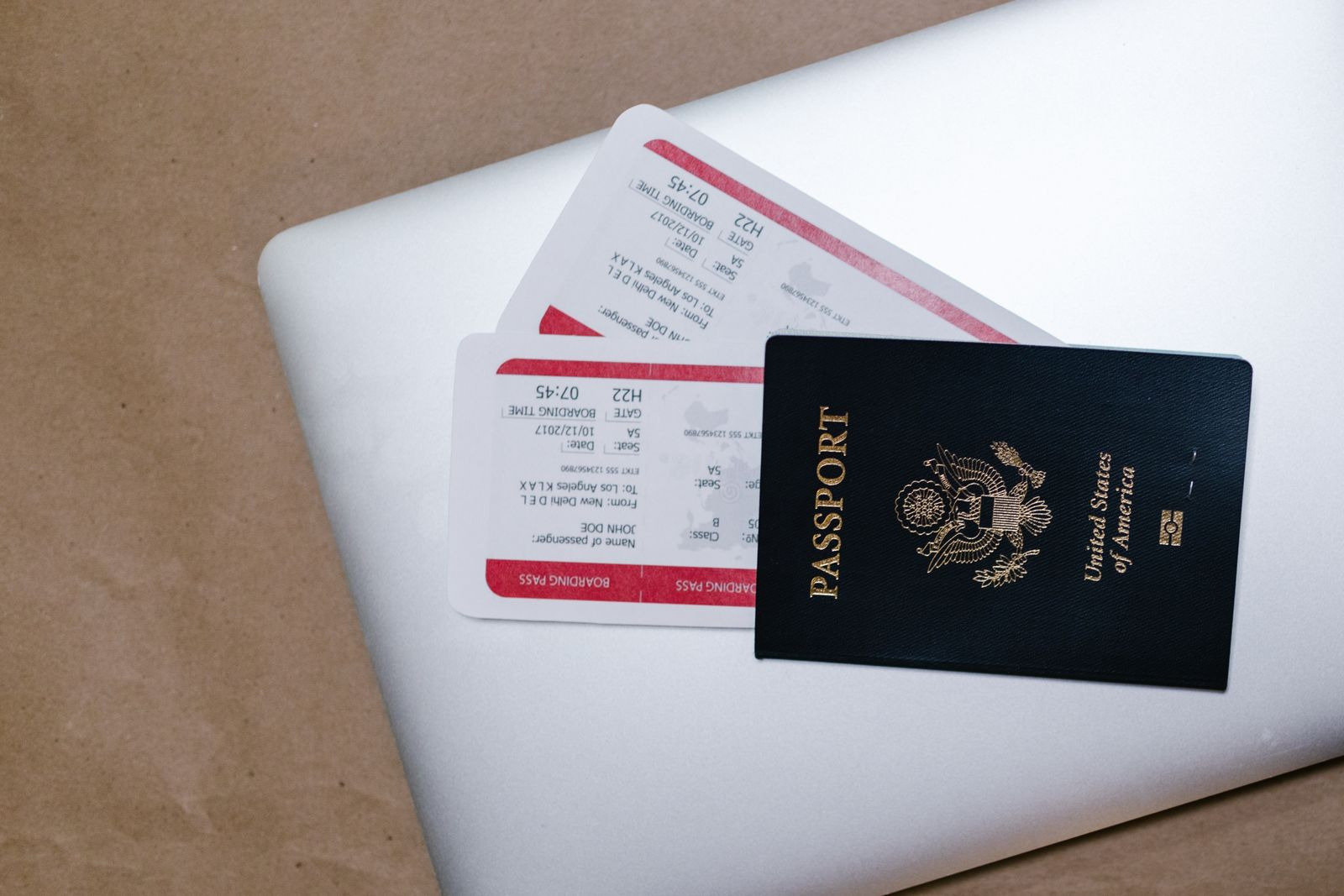
For professionals around the globe, securing visa sponsorship jobs in the USA has long symbolized a gateway to career growth and personal development. The United States offers a dynamic economic environment, advanced technological innovation, and a rich cultural diversity that attracts talent from every corner of the world. Whether you are a recent graduate eager to begin your professional journey or an experienced worker seeking new opportunities, numerous American companies are willing to sponsor visas to bring international expertise into their workforce. This sponsorship not only enables foreign nationals to work legally in the country but also opens the door to living in one of the world’s most influential and opportunity-filled nations.
Understanding Visa Sponsorship Jobs in the USA
Visa sponsorship in the United States refers to the formal process whereby a U.S.-based employer agrees to support a foreign individual’s application for a work visa. This sponsorship is essential because it allows the foreign national to legally work and reside in the country for a designated period. The sponsoring employer assumes responsibility for submitting the necessary paperwork and demonstrating that the foreign worker meets the criteria for the visa category. Among the many visa types, the most commonly sponsored work visas include the H-1B, L-1, E-2, and O-1 visas, each designed for distinct employment categories and professional qualifications.
Categories of Visas That Require Sponsorship
- Employment-Based Visas: These visas are the most frequent in the context of visa sponsorship. When companies in the U.S. seek to hire foreign nationals for specialized roles, they often need to sponsor the employee’s visa application so that the individual can legally work in the country.
- Family-Based Visas: In cases where family members such as spouses, parents, or children of U.S. citizens or permanent residents apply for immigration, sponsorship by the family member is typically necessary to support the visa application.
- Temporary Work Visas: Some temporary employment visas also require sponsorship, depending on the visa type and the immigration laws that govern the host country. These visas allow foreign nationals to work in the U.S. for short periods under specific programs.
- H-1B Visa: The H-1B visa stands as one of the most coveted work visas in the United States. It allows U.S. companies to employ foreign professionals in specialty occupations that demand highly specialized knowledge and at least a bachelor’s degree or its equivalent. Fields such as information technology, engineering, healthcare, and academia frequently utilize the H-1B visa program to secure skilled foreign talent.
- L-1 Visa: Designed for intracompany transferees, the L-1 visa enables multinational companies to relocate employees with specialized knowledge or managerial experience from their overseas offices to their U.S. branches. This visa is particularly useful for businesses with global operations requiring seamless knowledge transfer.
- O-1 Visa: The O-1 visa caters to individuals demonstrating extraordinary abilities or achievements in areas such as the arts, sciences, education, business, or athletics. Recipients often include highly accomplished scientists, artists, distinguished academics, and elite athletes who have earned national or international acclaim.
- E-2 Visa: This visa is tailored for investors and entrepreneurs who wish to start or manage a business in the United States. To qualify, applicants must invest a substantial amount of capital in a U.S.-based enterprise. The E-2 visa is often sought by business owners looking to expand their ventures into the American market.
- J-1 Visa: The J-1 visa is a non-immigrant visa issued for educational and cultural exchange programs. It is commonly used by teachers, professors, researchers, students, and interns participating in work- or study-related exchanges designed to promote cross-cultural understanding.
- Information Technology and Software Development: The IT sector represents one of the largest employers sponsoring visas in the USA. Locations like Silicon Valley and other tech hubs have a constant demand for experts such as software developers, cybersecurity specialists, data scientists, and IT project managers. Due to the rapid growth of technology and the shortage of domestic talent in certain specialties, companies are often willing to sponsor H-1B visas to bring in global expertise.
- Healthcare and Medical Fields: Healthcare remains a critical sector with a high demand for foreign professionals including doctors, nurses, medical technicians, and clinical researchers. The ongoing shortage of healthcare workers in the U.S. leads hospitals and medical institutions to sponsor visas like the H-1B and J-1 to employ qualified international medical personnel who meet licensing and certification requirements.
- Engineering Professionals: The United States has a continual need for engineers across multiple disciplines including civil, mechanical, electrical, and aerospace engineering. Companies involved in manufacturing, infrastructure development, and technological innovation actively seek skilled engineers globally and often sponsor visas to onboard these experts.
- Finance and Accounting: The financial services sector, comprising banks, investment firms, and accounting agencies, regularly recruits foreign professionals for roles such as investment bankers, financial analysts, auditors, and accountants. Visa sponsorship is common for these positions, especially in major financial centers like New York City and Chicago.
- Education and Academia: American universities and research institutions attract scholars, educators, and researchers from abroad. There is particularly strong demand in STEM (Science, Technology, Engineering, and Mathematics) fields for professors and scientific researchers. Many academic institutions provide visa sponsorship to qualified international candidates to enhance their research and educational capabilities.
- Business and Management Consulting: Multinational corporations and consulting firms frequently seek foreign experts who bring diverse perspectives and specialized skills in business strategy, project management, and operational analysis. Visa sponsorship is often extended to candidates with relevant experience and advanced education who can contribute to organizational growth.
- Hospitality and Tourism: The hospitality industry in the U.S. is expansive and includes hotels, resorts, restaurants, and entertainment venues. These businesses often require specialized staff such as chefs, hotel managers, and event coordinators. Visa types such as the J-1 and H-2B are commonly used to sponsor foreign nationals in this sector, helping to fill seasonal or niche roles.
- Utilize Online Job Platforms: Websites like Indeed, Glassdoor, LinkedIn, and Monster host extensive job listings that mention visa sponsorship. Using search terms such as "visa sponsorship" or "H-1B sponsorship" can help filter out relevant job openings that welcome foreign applicants.
- Build Professional Networks: Networking is a powerful tool in securing jobs that offer visa sponsorship. Attending industry-specific conferences, job fairs, and seminars can provide opportunities to connect with employers, recruiters, and professionals who can offer valuable guidance or referrals.
- Engage Recruitment Agencies: Specialized recruitment firms focus on placing foreign professionals within American companies. Collaborating with agencies knowledgeable about visa regulations and sponsorship processes can increase your chances of landing a job that supports your visa application.
- Apply for Internships and Training Programs: Many organizations offer internships or short-term training that can lead to full-time employment and visa sponsorship. These programs provide a pathway to gain U.S. work experience and demonstrate your value to potential employers.
- Emphasize Your Unique Skills and Experience: When applying, tailor your résumé and cover letter to clearly showcase why you are an asset to the company. Highlight any international experience, specialized certifications, or skills that distinguish you from other candidates.
- Research Company Sponsorship History: Before applying, investigate whether the company has a track record of sponsoring visas. Employers with a history of hiring and sponsoring foreign workers are more likely to facilitate your visa process.
- Stay Informed About Visa Laws: Immigration laws and visa policies can change frequently. Keeping yourself updated about current regulations, eligibility criteria, and application procedures is crucial to avoid delays or complications during the sponsorship process.
Conclusion
Pursuing visa sponsorship jobs in the USA is a realistic and rewarding goal for qualified professionals worldwide. By focusing on industries with high demand for foreign talent, leveraging networking opportunities, and understanding the complexities of visa applications, international candidates can significantly enhance their chances of obtaining sponsorship. Whether your expertise lies in technology, healthcare, engineering, education, or business, the United States offers abundant opportunities to develop your career while living and working in a country known for its innovation and diversity.