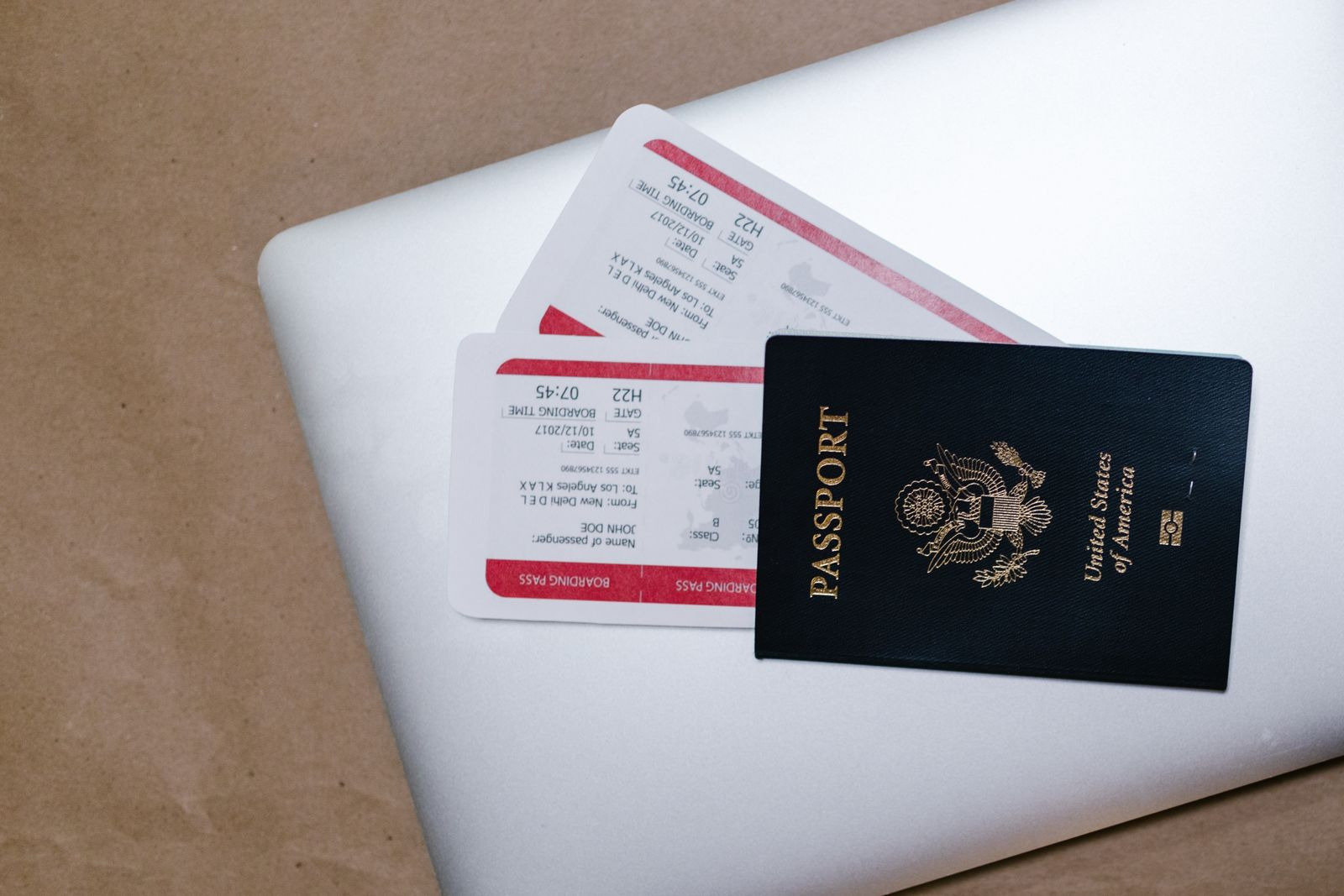
The aspiration to live and work in the United States has long been a significant ambition for professionals worldwide. For professionals considering employment abroad, this ambition is becoming increasingly attainable for thousands of skilled individuals due to visa sponsorship opportunities that can be valued at up to $200,000.
These opportunities extend far beyond the mere ability to reside and work legally in the U.S.; they provide financial stability, avenues for career advancement, and the chance to join one of the most vibrant and competitive job markets globally.
It is important to understand that the $200,000 figure represents more than just an annual salary. It encompasses a wide array of benefits including relocation support, housing stipends, comprehensive healthcare coverage, and other valuable perks designed to ease the transition into American life. With major sectors such as technology, healthcare, and engineering actively seeking international expertise, these sponsorship packages are not only financially rewarding but can also be transformative experiences for those who secure them.
This article aims to equip you with all the essential information required to pursue one of these coveted sponsorships. From clarifying what visa sponsorship involves to pinpointing the industries and employers offering these generous packages, this guide will take you through the entire process. Whether you are an experienced professional eager for career growth or a recent graduate hoping to embark on an international career, this is your opportunity to turn that dream into reality.
Make sure not to overlook these promising prospects-continue reading to learn how to submit a compelling application, distinguish yourself among applicants, and take the initial steps toward a prosperous future in the United States.
2. What is Visa Sponsorship?
Visa sponsorship refers to a formal agreement in which a U.S.-based employer commits to supporting a foreign national in obtaining the legal authorization needed to live and work in the United States. Essentially, the sponsoring employer assumes responsibility for demonstrating that the prospective employee is qualified for the job and meets all immigration criteria mandated by U.S. authorities.
The sponsorship process involves the employer submitting official paperwork to the U.S. Citizenship and Immigration Services (USCIS) to validate the candidate’s eligibility and suitability for the position. Additionally, sponsorship often includes financial assistance covering visa application fees, costs for relocating, and sometimes benefits like housing support and medical insurance.
Why is Visa Sponsorship Important?
Visa sponsorship is essential for foreign professionals who do not already hold permission to work legally within the U.S. Without an employer sponsor, securing lawful employment in America can be an extremely difficult, if not impossible, task. The sponsorship process opens the door for international workers to:
- Obtain legal employment status in the United States.
- Access lucrative positions offering competitive salaries and comprehensive benefits.
- Establish a long-term career within the world’s largest and most diverse economy.
Who Is Eligible for Visa Sponsorship?
Typically, visa sponsorship is extended to individuals who bring valuable skills or qualifications that are in demand in the U.S. labor market. Commonly sought-after professionals include those in technology, healthcare, engineering, education, and other specialized disciplines. Eligibility depends on several factors such as:
- Possession of a relevant educational degree, often at the bachelor’s level or higher.
- Substantial work experience in a specialized field.
- Proficiency in English, which is generally required for effective communication in most professional environments.
- Adherence to U.S. immigration laws and regulations.
How Does Visa Sponsorship Work?
The sponsorship journey generally follows these critical steps:
- Job Offer: The employer extends a formal offer of employment to the foreign candidate.
- Filing a Petition: The employer submits a petition to USCIS, detailing the job role and the applicant’s qualifications to verify eligibility.
- Visa Application: Upon petition approval, the candidate applies for the appropriate visa at a U.S. embassy or consulate abroad.
- Approval and Relocation: Once the visa is granted, the foreign worker is authorized to travel to the U.S. and begin their employment.
This sponsorship process benefits both parties: companies gain access to a wider talent pool with specialized skills, and workers receive the opportunity to pursue fulfilling careers in the U.S. In the following section, we will discuss the factors that can make these sponsorship opportunities worth considering.
3. Factors Behind Interest in $200,000 Sponsorships
Visa sponsorship opportunities are influenced by a range of employment and economic factors, with an increasing number of employers offering comprehensive packages valued at up to $200,000. These openings are generating significant excitement among international professionals, and there are several reasons why these sponsorships are becoming more attractive and plentiful than ever before.
3.1. What Does the $200,000 Figure Include?
The advertised $200,000 figure usually represents a total compensation package rather than only the base salary. Here is a detailed breakdown of what this amount typically covers:
- Competitive Salaries: Base pay often ranges from $80,000 to $150,000 per year, depending on the industry, role, and the experience level of the candidate.
- Relocation Packages: These include coverage for moving expenses, temporary housing, and sometimes airfare for the employee and their immediate family members.
- Health Insurance: Comprehensive medical coverage is usually provided for both the employee and their dependents, ensuring access to quality healthcare.
- Housing Assistance: Certain employers provide stipends or support services to help employees find affordable accommodation near their workplaces.
- Additional Perks: Bonuses, contributions to retirement plans, stock options, generous paid time off, and other incentives may also be part of the package.
3.2. Industries Offering High-Value Sponsorships
Several key industries are leading the way in offering these high-value sponsorship opportunities, largely driven by increasing demand for skilled professionals. The major sectors include:
- Technology: Industry giants such as Google, Amazon, and Meta are continuously seeking software engineers, data scientists, and artificial intelligence experts.
- Healthcare: Hospitals, clinics, and research institutions are recruiting nurses, physicians, and medical researchers to address chronic staffing shortages.
- Engineering: Civil, mechanical, and electrical engineers are in strong demand for large infrastructure initiatives and cutting-edge innovation projects.
- Education: Universities and specialized schools are actively hiring professors and educators with expertise in niche academic disciplines.
3.3. Factors to Consider When Seeking Sponsorship
Several factors converge to create opportunities for international professionals seeking visa sponsorship opportunities:
- Post-Pandemic Economic Recovery: Following the global disruptions caused by the COVID-19 pandemic, U.S. companies are now expanding and urgently seeking global talent to fill essential roles.
- Talent Shortages: Many industries face significant gaps in skilled labor, which encourages employers to recruit from abroad to meet their workforce needs.
- Remote and Hybrid Work Models: The rise of flexible work arrangements has reduced the challenges of relocating, making it more feasible for candidates and their families to transition smoothly.
- Supportive Immigration Policies: Recent adjustments to immigration laws have increased visa quotas for categories like H-1B and employment-based green cards (EB-2/EB-3), making sponsorships more accessible.
3.4. The Competitive Advantage of Sponsored Jobs
Beyond the financial incentives, visa sponsorships come with numerous professional advantages, including:
- Opportunities for ongoing professional development and access to specialized training programs.
- Potential eligibility for permanent residency (Green Card), which can lead to long-term stability in the U.S.
- Exposure to diverse work environments and the chance to engage with cutting-edge technologies and methodologies on a global scale.
With an increasing number of $200,000 visa sponsorships becoming available, the upcoming years promise to be a pivotal time for international professionals aiming to build rewarding careers in the United States. Next, we will examine the specific visa categories that facilitate these sponsorships and outline the qualification requirements.
4. Types of U.S. Visas with Sponsorship
Understanding the different types of U.S. visas available for sponsored employment is crucial when pursuing these high-value opportunities. Each visa category is designed to accommodate specific industries, occupations, and skill sets, so selecting the appropriate visa type is a key step in the application process.
4.1. H-1B Visa: For Skilled Workers in Specialized Fields
- Scope: The H-1B visa is one of the most commonly utilized visa types for professionals working in fields that require specialized knowledge, such as information technology, engineering, finance, and healthcare.
- Eligibility Criteria:
- A minimum of a bachelor's degree or equivalent in a specialized discipline relevant to the job.
- A valid job offer from a U.S.-based employer willing to sponsor the visa application.
- Key Advantages:
- Initial authorization to work in the U.S. for three years, with the possibility of extending up to six years.
- Often serves as a pathway toward obtaining permanent residency (Green Card).
- Common Industries Utilizing H-1B: Technology firms, financial institutions, consulting companies, and engineering enterprises frequently sponsor H-1B visas.
The O-1 visa is a specialized nonimmigrant classification designed for individuals who have demonstrated exceptional talent or achievement in their professional fields. This visa is primarily intended for those who have risen to the highest levels of accomplishment in areas such as the arts, sciences, education, business, or athletics. It provides a unique opportunity for highly skilled professionals to work temporarily in the United States while contributing their extraordinary expertise.
What the O-1 Visa Covers
This visa category is crafted to accommodate individuals whose skills and achievements distinguish them significantly from their peers. Examples include artists with internationally recognized performances, scientists who have made groundbreaking discoveries, educators with influential contributions, business executives with remarkable accomplishments, and athletes who have competed at elite levels. The O-1 visa allows these exceptional individuals to bring their talents to U.S. employers who require their specialized skills.
Eligibility Requirements for the O-1 Visa
- Proven Extraordinary Ability: Applicants must present compelling evidence of their exceptional skills or accomplishments. This typically involves documentation such as prestigious awards, published articles or critical reviews about their work, high remuneration compared to others in the field, or membership in organizations that demand outstanding achievements.
- U.S. Sponsorship: A U.S.-based employer or an agent must file a petition on behalf of the applicant, confirming the job offer and the necessity of their extraordinary talent for the position.
Key Benefits of the O-1 Visa
- Unlimited Numbers: Unlike visas such as the H-1B, which have annual quotas, the O-1 visa is not subject to a fixed cap. This absence of a limit makes it more accessible for qualified individuals who meet the stringent criteria.
- Ideal for Specialized Roles: The visa is perfect for professionals engaged in niche or highly visible roles where their unique expertise is crucial. It provides flexibility for employers to hire individuals whose talents are essential to projects or organizational goals.
The EB-2 and EB-3 visa classifications are employment-based immigrant visas that offer foreign nationals pathways to permanent residency in the United States. These visas are particularly suited for individuals with advanced academic qualifications or specialized work experience.
Scope of EB-2 and EB-3 Visas
The EB-2 visa is targeted at professionals who hold advanced degrees, such as a master's or doctorate, or who can demonstrate exceptional ability in sciences, arts, or business sectors. On the other hand, the EB-3 visa is designed for skilled workers and professionals who either possess a bachelor’s degree or have at least two years of relevant work experience, including certain unskilled laborers under specific conditions.
Eligibility Requirements
- EB-2: Applicants must have an advanced degree or demonstrate exceptional ability in their field. In some circumstances, they may apply for a National Interest Waiver, which allows them to bypass the labor certification process if their work significantly benefits the United States.
- EB-3: Candidates need to hold at least a bachelor’s degree or have a minimum of two years’ experience in a skilled labor position. This category also includes certain unskilled workers, provided they meet the specific criteria set by U.S. immigration authorities.
Benefits of EB-2 and EB-3 Visas
- Direct Route to Permanent Residency: Both EB-2 and EB-3 classifications offer a clear path to obtaining a U.S. green card, granting lawful permanent resident status and the ability to live and work permanently in the U.S.
- Labor Market Protection: Employers petitioning for these visas must prove through labor certification that no qualified U.S. workers are available or willing to fill the position, protecting domestic employment opportunities.
The J-1 visa is a nonimmigrant visa category designed to facilitate cultural and educational exchange between the United States and other countries. It allows foreign professionals to participate in approved programs such as internships, training, teaching assignments, or research fellowships that enhance their skills and promote international understanding.
What the J-1 Visa Encompasses
This visa is particularly suited for individuals seeking to gain practical experience and cultural exposure in the U.S. through structured exchange initiatives. Typical participants include interns eager to learn, trainees refining their skills, scholars conducting research, educators teaching in American institutions, and professionals engaged in specialized training.
Eligibility Requirements for the J-1 Visa
- Sponsorship by Authorized Programs: Applicants must be accepted and sponsored by exchange programs that are officially designated by the U.S. Department of State.
- Career Alignment: The exchange program must correspond with the applicant’s professional objectives, offering relevant and practical experience in their field of expertise.
Benefits of the J-1 Visa
- Temporary Participation with Long-Term Potential: While the visa allows for temporary stay, participants can leverage the experience and connections gained during their program to pursue longer-term employment opportunities in the U.S.
- Extensive Networking Opportunities: The J-1 visa grants access to U.S. professional environments and networks that can be invaluable for career growth and future job prospects.
The L-1 visa is designed to enable multinational corporations to transfer employees from an overseas branch to their U.S. offices. This visa category supports the movement of individuals who hold managerial or executive positions or possess specialized knowledge critical to the company’s operations.
What the L-1 Visa Covers
This visa facilitates the internal relocation of key personnel within a global company, helping maintain consistency in leadership, strategy, and technical expertise across international branches. It is especially useful for companies expanding or consolidating their U.S. presence and requiring experienced employees to manage or support operations.
Eligibility Criteria for L-1 Visa
- Employment History: The applicant must have been employed by the multinational company for at least one continuous year within the three years preceding the application.
- Qualifying Role: The position offered in the United States must be managerial, executive, or require specialized knowledge that is distinct to the company’s products, services, or procedures.
Advantages of the L-1 Visa
- Streamlined Transfers: The visa simplifies the process of relocating employees within the same organization, eliminating the need to seek new employment opportunities externally.
- Potential Path to Permanent Residency: L-1 visa holders may be eligible for an EB-1 immigrant visa, which offers an expedited route to obtaining a green card based on their managerial or extraordinary abilities.
In addition to the primary visa categories discussed, there are several other visa options that may suit specific applicants depending on their nationality, profession, or investment intentions:
- TN Visa: Available exclusively to Canadian and Mexican citizens under the provisions of the North American Free Trade Agreement (NAFTA), this visa permits professionals in specified occupations to work in the United States with relatively streamlined application procedures.
- E-2 Visa: This visa is intended for foreign investors and entrepreneurs who make a substantial investment in a U.S. business. It allows them to manage and develop their investment while residing in the United States.
- H-2B Visa: Designed for temporary non-agricultural workers, this visa supports industries like hospitality, construction, landscaping, and other sectors requiring seasonal or short-term labor.
Choosing the appropriate U.S. visa depends on a range of personal and professional factors that must be carefully considered to optimize your chances of success and align with your long-term goals. Important considerations include:
- Industry Focus: Different visa categories cater to specific sectors. For example, technology professionals may find the O-1 or H-1B visas suitable, while healthcare workers might pursue EB-2 or J-1 exchange programs.
- Educational Background and Experience: Advanced academic qualifications and specialized skills can open pathways like the EB-2 or O-1 visas, whereas entry-level or temporary positions may be better suited to J-1 or H-2B visas.
- Career Objectives: Consider whether you aim for a temporary position with cultural exchange benefits or a longer-term pathway toward permanent residency and citizenship in the United States.
By thoroughly evaluating these factors, you will be better equipped to select the visa category that best matches your qualifications and aspirations. The next section will introduce leading U.S. companies that are actively sponsoring visas, along with tips on how to tailor your credentials to meet their hiring requirements.
- Research the Company Thoroughly: Gain a deep understanding of the company's mission, values, organizational culture, and recent achievements or developments. This knowledge will help you tailor your responses and demonstrate genuine interest during interviews.
- Prepare for Common Interview Questions: Practice answering a wide range of questions, including both technical queries related to your expertise and behavioral questions that assess your interpersonal skills, problem-solving abilities, and adaptability.
- Be Transparent About Visa Sponsorship: Clearly communicate your need for visa sponsorship early in the process. Emphasize how your skills and long-term commitment add value to the employer, which can encourage them to support your visa application.
6.6. Following Up After Interviews
Once you complete an interview, it is important to maintain professional communication with the employer. This not only demonstrates your professionalism but also keeps you fresh in their minds. Here are some best practices:
- Send a Thoughtful Thank-You Email: Within 24 hours of your interview, send a personalized email thanking the interviewer for their time and the opportunity. Reiterate your enthusiasm for the role and briefly highlight why you are a strong fit.
- Polite Follow-Up: If the employer indicated a timeline for decision-making and you have not heard back by then, it is acceptable to send a courteous inquiry regarding the status of your application. Keep the tone positive and express continued interest.
6.7. Handling Visa Paperwork
After receiving a job offer that includes visa sponsorship, the visa application process becomes your immediate priority. Managing paperwork efficiently is crucial to avoid delays and ensure a smooth transition. Consider the following steps:
- Gather and Provide All Required Documents: Prepare your passport, academic certificates, employment verification letters, and any other documents requested by your employer or the immigration authorities. Having these ready expedites the petition process.
- Collaborate Closely with Your Employer: While the sponsoring company typically files the visa petition (such as Form I-129 for H-1B visas), maintain communication and promptly provide any additional information they request. Your proactive involvement helps prevent bottlenecks.
- Prepare for the Embassy Interview: If your petition is approved, you will likely need to attend a U.S. embassy or consulate interview. Organize all required paperwork, including your visa application forms, job offer letter, and proof of ties to your home country, to present confidently.
6.8. Relocation and Onboarding
Once your visa is approved, planning your relocation and successful integration into your new role is essential. Here are key considerations:
- Coordinate Your Move: Work with your employer to arrange travel logistics such as flight bookings, accommodation options, and any support for family members if applicable. Clarify what relocation assistance is available to you.
- Understand Your Visa Rights and Responsibilities: Familiarize yourself with the specific conditions of your visa, including work limitations, duration, and travel permissions. This knowledge helps you maintain compliance and avoid legal complications.
- Ensure a Smooth Onboarding Experience: Participate actively in orientation sessions, get acquainted with workplace policies, and build relationships with colleagues. Early engagement enhances your adjustment and productivity.
6.9. Pro Tips for Success
- Start the Process Early: The journey from job application to visa approval can span several months. Begin researching, applying, and preparing well in advance to accommodate potential delays and deadlines.
- Remain Persistent and Resilient: Rejection is a natural part of the job search and visa sponsorship process. Learn from each experience, refine your approach, and keep applying consistently.
- Invest in Skill Development: Continually upgrade your professional skills through certifications, courses, or workshops that align with U.S. market demands. Enhanced qualifications increase your appeal to employers.
In the upcoming section, we will discuss the essential documents required to facilitate a seamless visa sponsorship application process.
7. Essential Documents for Visa Sponsorship Applications
Having a complete and well-prepared collection of documents is fundamental when applying for visa sponsorship. Both employers and immigration authorities rely on these documents to verify your identity, qualifications, and professional background. Below is a detailed breakdown of the necessary paperwork along with valuable preparation tips.
7.1. Identification and Personal Documents
These documents serve as your official proof of identity and are among the first requirements for any visa application:
- Passport: Ensure your passport is valid for a minimum of six months beyond your intended date of entry into the United States. An expired or soon-to-expire passport can cause significant processing delays.
- Birth Certificate: Certain visa categories request a birth certificate to confirm your identity and date of birth. Obtain a certified copy from your local government or registrar.
- Government-Issued Identification: Additional forms of ID, such as a national identity card or driver’s license, may be required to support your application.
7.2. Academic Credentials
Your educational qualifications play a pivotal role in establishing your eligibility for many sponsored jobs. Be sure to prepare these documents:
- Degree Certificates: Provide original copies and certified duplicates of your academic degrees, including bachelor’s, master’s, or doctoral certificates.
- Academic Transcripts: Detailed transcripts showing your coursework, grades, and academic progression support your claims of expertise.
- Professional Certifications: Include any relevant certificates that demonstrate specialized knowledge or skills, such as project management credentials (PMP), cloud certifications (AWS), or medical licenses, depending on your profession.
7.3. Employment Records
Demonstrating your professional experience with credible documentation is essential for convincing employers and immigration officials of your suitability:
- Resume or Curriculum Vitae (CV): Update your resume to meet U.S. standards, emphasizing measurable achievements, relevant skills, and clear formatting.
- Employment Verification Letters: Obtain letters from previous employers confirming your job titles, roles, dates of employment, and accomplishments. These should be on official letterhead and signed by authorized personnel.
- Portfolio (If Applicable): For roles in creative or technical fields, assemble a comprehensive portfolio showcasing your work samples, projects, or publications.
7.4. English Language Proficiency
Many visa programs require proof that you can communicate effectively in English. Accepted evidence includes:
- Test Scores: Certificates from standardized tests such as TOEFL, IELTS, or GRE demonstrating your proficiency levels.
- Educational Records: Proof of prior education completed in English-speaking institutions may sometimes substitute formal test scores.
7.5. Visa Application-Specific Documents
Depending on the visa category for which you are applying, certain documents are mandatory:
- Job Offer Letter: Your sponsoring employer must provide a formal offer outlining your job title, salary, job duties, and terms of employment.
- Labor Certification (Where Applicable): This document, submitted by the employer, demonstrates that no qualified U.S. worker was available for the position. It is often required for H-1B and similar visas.
- Form I-129 (Petition for a Nonimmigrant Worker): Filed by your employer with the United States Citizenship and Immigration Services (USCIS), this petition formally requests sponsorship on your behalf.
7.6. Financial Proof and Supporting Documents
For some visa types, you must provide evidence of your financial stability or other supplementary materials:
- Bank Statements: These documents demonstrate that you have sufficient funds to support yourself during your initial stay in the U.S., if required.
- Tax Returns: If you have previously worked in the U.S. or if your employer requests them, provide copies of your tax filings.
- Medical Records: Some visa applications include requirements for vaccinations or health examinations. Obtain relevant medical certificates as needed.
7.7. Photographs
- Passport-Sized Photos: Ensure your photos adhere strictly to U.S. visa specifications, including size, background color, and recent date.
7.8. Tips for Document Preparation
- Verify Accuracy and Consistency: Cross-check all personal details such as names, dates, and spellings across documents to avoid discrepancies that could cause processing delays.
- Translate Non-English Documents: Any documents not originally in English must be professionally translated and certified to meet immigration standards.
- Organize Documents Systematically: Keep both digital and physical copies neatly arranged in folders for quick reference during interviews and embassy appointments.
- Maintain Multiple Copies: Have spare copies of all documents handy in case of loss or additional requests from authorities.
7.9. Common Mistakes to Avoid
- Submitting documents that have expired or are outdated.
- Providing incomplete information or inconsistent data across various papers.
- Neglecting specific requirements related to your visa category, such as omitting labor certification for H-1B petitions.
By meticulously preparing and verifying your documents, you can minimize the risk of delays and complications in your visa application. The following section will delve into practical strategies to enhance your chances of successfully obtaining a sponsorship opportunity.
8. Tips to Boost Your Chances of Getting Sponsored
Securing a U.S. visa sponsorship is a highly competitive endeavor, with numerous applicants vying for limited openings. Standing out requires a focused and strategic approach. Below are comprehensive tips designed to increase your likelihood of success.
8.1. Understand the U.S. Job Market
Before submitting applications, invest time in researching the current landscape of the U.S. employment market relevant to your field. This involves:
- Identifying In-Demand Skills: Certain industries such as technology, healthcare, engineering, and finance consistently seek professionals with specific expertise. Stay informed about emerging trends and required competencies in your sector.
- Exploring Geographic Opportunities: Major metropolitan areas like New York City, San Francisco, and Seattle are hubs for job openings but often have intense competition. Consider opportunities in smaller cities or states where industries are growing and sponsorship chances might be improved.
- Analyzing Job Descriptions: Carefully review postings to understand the qualifications employers prioritize. Tailor your applications to highlight these skills and experiences.
8.2. Tailor Your Resume and Cover Letter
A generic, one-size-fits-all application rarely attracts attention. Customize your materials to fit each job you apply for:
- Emphasize Relevant Experience: Showcase achievements and responsibilities that directly relate to the position. Use quantifiable results where possible, such as project outcomes or efficiency improvements.
- Adhere to U.S. Resume Standards: Follow American resume formatting guidelines, which favor brevity, clarity, and a focus on measurable accomplishments.
- Customize Cover Letters: Convey specifically why you are interested in the role and how your background makes you the ideal candidate. Express enthusiasm for contributing to the U.S. workforce.
8.3. Upskill to Stay Competitive
Continuously improving your skills is one of the best ways to stand out:
- Earn Professional Certifications: Pursue recognized certifications relevant to your field to demonstrate your expertise and commitment to professional development. Examples include AWS Certified Solutions Architect for IT professionals, PMP for project managers, or NCLEX for nurses.
- Take Online Courses: Platforms such as Coursera, Udemy, and LinkedIn Learning offer accessible and affordable options to enhance your knowledge.
- Improve English Proficiency: If English is not your first language, invest time in improving communication skills and obtain high scores on standardized tests like TOEFL or IELTS to strengthen your application.
8.4. Leverage Networking Opportunities
Building professional connections can open doors to visa sponsorship opportunities that may not be widely advertised:
- Optimize Your LinkedIn Profile: Create a detailed and professional profile highlighting your skills, experiences, certifications, and your openness to relocation. Connect strategically with recruiters, hiring managers, and industry peers.
- Join Professional Groups: Participate in online forums, industry-specific groups, and communities where job openings and visa sponsorship leads are frequently shared.
- Utilize Alumni Networks: Reach out to alumni from your educational institutions who are working in the U.S. They can provide insights, referrals, or mentorship.
8.5. Apply Strategically
To maximize your success, be selective and thoughtful in your applications:
- Target Employers Known to Sponsor Visas: Research companies with a track record of sponsoring foreign workers, which increases your likelihood of getting support.
- Apply Early in Hiring Cycles: Many sponsorship programs and visa categories operate on fixed timelines and quotas. Submitting applications early enhances your chances.
- Follow Application Instructions Precisely: Ensure you meet all eligibility criteria and provide requested documentation to avoid automatic disqualification.
- Concentrate on Employers Open to Sponsorship: Seek out companies with a solid reputation for hiring international candidates and providing visa sponsorship. These employers often have established processes and experience navigating immigration policies, which can increase your chances of success.
- Submit Applications to Various Positions: Avoid restricting yourself to only a few job listings. Expand your job search across multiple relevant roles to maximize opportunities. Applying broadly also helps you discover different types of positions you may qualify for that you hadn’t initially considered.
- Focus on Expanding Sectors: Industries such as artificial intelligence, renewable energy, and healthcare are rapidly growing and have a continuous demand for skilled professionals. Targeting these sectors can improve your prospects, as companies within these fields are more likely to sponsor visas to attract top talent.
8.6. Preparing Effectively for Interviews
When interviewing for U.S.-based roles, you will often encounter both behavioral and technical questions. Proper preparation is essential to demonstrate your qualifications and fit for the position. Here are key strategies to help you excel:
- Practice Frequently Asked Questions: Become comfortable answering typical interview queries such as “Tell me about yourself,” “What motivates you?” and “Why do you want to work here?” Practicing these questions will allow you to present your background confidently and align your answers with the company’s values.
- Utilize the STAR Method: Structure your responses to behavioral questions using the Situation, Task, Action, Result format. This technique provides clear and compelling examples of how you effectively handled challenges or contributed to past projects.
- Emphasize Your Flexibility and Learning Ability: U.S. employers value candidates who can adapt to new environments and continuously improve. Highlight your openness to change, eagerness to learn, and ability to thrive in dynamic workplaces.
8.7. Prove Your Worth to Potential Employers
Companies are more inclined to sponsor candidates who demonstrate they will be valuable contributors. To stand out, focus on conveying these points:
- Showcase Distinctive Skills and Qualifications: Present any specialized certifications, technical expertise, or unique experiences that differentiate you from domestic applicants. This makes your candidacy more compelling by emphasizing what you uniquely bring to the table.
- Express Long-Term Dedication: Sponsorship involves a significant investment from employers, so communicating your career commitment and desire to grow within the company can reassure them of your intentions.
- Provide Concrete Problem-Solving Examples: Share instances where you identified challenges and successfully implemented solutions in past roles. Demonstrating your ability to contribute positively to business outcomes increases employer confidence in your potential.
8.8. Cultivate a Professional Online Profile
Your digital footprint plays an important role in how employers perceive you during the recruitment process. Here are ways to build a strong, positive online presence:
- Maintain Updated Professional Social Media: Regularly update your LinkedIn profile and other relevant platforms with your latest accomplishments, skills, and clear indications that you are open to relocating for work. A complete and active profile enhances your visibility to recruiters searching for international talent.
- Create a Personal Website or Portfolio: For those in creative or technical fields, having a dedicated website or portfolio showcasing your projects, publications, or work samples can dramatically improve your credibility and make your application stand out.
- Avoid Posting Controversial or Unprofessional Content: Ensure your social media presence reflects your career goals and professionalism. Employers often review candidates’ online behavior, so maintaining a positive image is crucial.
8.9. Leverage Immigration Services and Helpful Resources
Numerous tools and experts are available to assist you during the visa sponsorship journey. Utilizing these resources can simplify complex immigration processes and improve your application quality:
- Consult Immigration Specialists: Immigration consultants and attorneys can provide personalized advice about visa options, eligibility criteria, and application procedures. Their expertise can help you avoid common pitfalls and increase your chances of approval.
- Use Dedicated Job Platforms for Sponsorship Opportunities: Websites like MyVisaJobs.com, H1BGrader, and Glassdoor allow you to filter job listings by employers known to sponsor visas. These platforms often provide valuable insights into company sponsorship records and employee reviews.
- Connect with Expatriate and Support Groups: Engage with communities of professionals who have undergone the visa sponsorship process. These groups can offer emotional support, practical advice, and networking opportunities.
8.10. Maintain Persistence and Patience Throughout the Process
Securing visa sponsorship can be a lengthy and challenging endeavor. It is essential to stay motivated and continuously improve your approach. Consider these tips to keep your momentum:
- Keep Detailed Records of Your Applications: Track every job you apply for, including dates, contacts, and responses. This organization helps you follow up effectively and analyze patterns in feedback or outcomes.
- Learn from Rejections to Refine Your Strategy: Treat unsuccessful applications as learning experiences. Seek constructive feedback when possible and adjust your resume, cover letter, or interview techniques accordingly.
- Celebrate Progress, No Matter How Small: Every interview secured, networking connection made, or positive comment received is a step forward. Recognizing these milestones keeps your morale high and encourages persistence.
8.11. Avoid Frequent Mistakes That Could Harm Your Chances
Being aware of common errors helps you maintain professionalism and integrity throughout the sponsorship process. Key points to watch out for include:
- Never Overlook Application Details: Thoroughly review every document and form to ensure completeness and accuracy. Missing or incorrect information can lead to delays or rejections.
- Stay Vigilant Against Scams and Fraudulent Offers: Conduct proper research on potential employers, validate job offers, and avoid any requests for payment or suspicious behavior. Protecting yourself from scams preserves your time and resources.
- Apply Realistically Based on Your Qualifications: Target roles that align with your skills, experience, and credentials. Applying to positions beyond your qualifications can result in automatic disqualification and wasted effort.
Following these comprehensive strategies will position you as a competitive candidate and significantly enhance your likelihood of obtaining U.S. visa sponsorship. In the upcoming section, we will explore inspiring real-life success stories of individuals who have navigated this process and achieved their goals.
9. Real-Life Success Stories
Learning about people who have successfully obtained U.S. visa sponsorship provides both inspiration and practical guidance. These narratives reveal the obstacles they overcame, the methods they employed, and the rewards they now enjoy. Below are several detailed examples to motivate your journey.
9.1. Maria – Software Engineer from Brazil
Maria was a proficient software engineer with expertise in cloud computing, employed at a mid-sized technology firm in Brazil. She aspired to work in the U.S., but the highly competitive market and lack of local connections made her hesitant. Here is how she triumphed:
- Challenges Faced: The job market was saturated with many qualified candidates worldwide, and Maria did not have a professional network in the U.S. to leverage for job leads or referrals.
- Actions Taken:
- Obtained an AWS Solutions Architect certification to distinguish herself in her specialization.
- Enhanced her LinkedIn profile to highlight skills and actively engaged in online tech communities and forums.
- Applied to over fifty companies recognized for sponsoring H-1B visas, demonstrating persistence and broad outreach.
- Outcome: Within three months of applying and interviewing, Maria secured a role at a Fortune 500 company in San Francisco. The company sponsored her visa, covered relocation expenses, and offered an annual salary of $140,000.
9.2. Raj – Healthcare Professional from India
Raj, a registered nurse with more than five years of experience, encountered limited career growth in India. Upon discovering that U.S. healthcare facilities actively recruit international nurses, he pursued the opportunity. His journey included:
- Challenges Faced: Raj needed to fulfill U.S. nursing licensing requirements and navigate the complex sponsorship application process.
- Actions Taken:
- Successfully passed the NCLEX-RN exam to obtain his U.S. nursing license.
- Collaborated with international nurse recruitment agencies specializing in placements in the U.S.
- Customized his resume to emphasize his experience in critical care units, a high-demand specialty.
- Outcome: Raj secured employment at a Texas hospital that sponsored his EB-3 visa. The sponsorship package included relocation assistance for his family, a starting salary of $85,000, and comprehensive healthcare benefits.
9.3. Ahmed – Electrical Engineer from Egypt
Ahmed, an accomplished electrical engineer, was passionate about contributing to the renewable energy sector in the U.S. Despite his qualifications, he initially struggled to receive responses due to limited U.S. work experience. His approach was:
- Challenges Faced: Difficulty getting noticed by employers because of a lack of local professional experience and familiarity with U.S. industry standards.
- Actions Taken:
- Completed an online course covering U.S. electrical standards and earned certification in renewable energy systems.
- Engaged in active networking via LinkedIn by joining relevant groups and participating in discussions to raise visibility.
- Attended virtual job fairs specifically targeting international professionals seeking U.S. employment.
- Outcome: Ahmed secured a position with a renewable energy startup in California, which sponsored his H-1B visa. He now earns $110,000 annually and works on innovative green technologies.
9.4. Ling – University Lecturer from China
Ling, who holds a PhD in Environmental Science, aimed to broaden her academic career by gaining international teaching experience in the U.S. Her path involved:
- Challenges Faced: Navigating the complex process of securing sponsorships through university programs for J-1 or H-1B visas.
- Actions Taken:
- Published several research papers in prominent international journals to enhance her academic profile.
- Applied directly to university job openings through official academic job boards.
- Attended international academic conferences where she networked with faculty and hiring committees.
- Outcome: Ling received an H-1B sponsorship from a prestigious New York university for a combined teaching and research role. She earns $90,000 annually and benefits from access to research funding and academic resources.
9.5. Key Lessons from These Success Narratives
The experiences shared above emphasize several important strategies that can improve your chances of success:
- Develop In-Demand Specializations: Earning certifications, advanced degrees, or focusing on niche expertise can greatly enhance your appeal to employers.
- Remain Persistent: Consistently applying to multiple roles and maintaining effort despite setbacks is crucial to eventual success.
- Leverage Networking Opportunities: Building professional relationships often uncovers job openings that are not publicly advertised and provides valuable referrals.
- Tailor Your Approach: Customizing your resume, understanding U.S. workplace standards, and preparing thoroughly for interviews are key differentiators.
9.6. Crafting Your Own Success Story
The individuals highlighted above did not allow challenges to discourage them. By investing time in skill development, strategically applying to positions, and exercising patience, you too can achieve your goal of working and living in the U.S. Each application submitted, every interview attended, and each networking connection made brings you closer to realizing your aspirations.
In the following section, we will explore common challenges encountered during the sponsorship process along with effective strategies to overcome them.
Obtaining a U.S. visa sponsorship presents a series of challenges that many applicants face throughout their journey. These obstacles may cause delays or even threaten the success of your plans to work in the United States. However, with thorough preparation, persistence, and strategic approaches, you can effectively navigate these challenges. This section delves into some of the most frequent difficulties encountered by visa seekers and offers actionable strategies to overcome them.
10.1. Intense Competition
One of the primary hurdles in securing U.S. visa sponsorship is the fierce competition among applicants. Thousands of highly skilled and qualified professionals from across the globe vie for the same limited job openings, which significantly heightens the difficulty of standing out.
- The Challenge: The large volume of applicants with similar educational backgrounds and experience levels means many roles receive numerous qualified candidates, making it harder to secure sponsorship.
- How to Overcome It:
- Develop Unique, In-Demand Skills: Focus on acquiring certifications or mastering niche specializations that are rare yet highly sought after in the U.S. job market. For example, gaining expertise in emerging technologies, specialized engineering fields, or advanced healthcare techniques can differentiate you from competitors.
- Customize Each Application: Avoid sending generic resumes and cover letters. Instead, carefully analyze each job description and tailor your application to highlight experiences and skills that directly align with the employer’s needs and expectations. Demonstrating that you have researched the company and understand its goals can leave a positive impression.
- Broaden Your Job Search: While large, well-known companies attract many applicants, consider applying to smaller firms or startups. These organizations may have fewer candidates applying for sponsorship and might be more willing to invest in international talent.
10.2. Limited Visa Quotas
Another significant challenge is the restricted number of visas available under certain categories. For instance, the H-1B visa, which is popular among skilled workers, has an annual cap that limits approvals. This limitation makes the selection process highly competitive and uncertain.
- The Challenge: Annual visa caps mean that meeting eligibility requirements does not guarantee approval, as many petitions exceed the quota.
- How to Overcome It:
- Start Your Application Process Early: Employers often begin preparing H-1B sponsorship petitions several months before the official filing period to ensure timely submission. Planning ahead and initiating job searches early in the year can increase your chances.
- Explore Alternative Visa Options: Consider other visa categories that may not have strict quotas, such as the O-1 visa, designed for individuals with extraordinary ability or achievement, or employment-based immigrant visas like EB-2 or EB-3, which might have different processing timelines and criteria.
- Target Cap-Exempt Employers: Some organizations, including universities, nonprofit research institutions, and government entities, are exempt from visa caps. Seeking employment with these types of employers can circumvent the limitations imposed by annual quotas.
10.3. Lack of U.S. Work Experience
Many U.S. employers prefer candidates who already have experience working within the United States. For international applicants, this preference can be a barrier since they may lack direct exposure to the U.S. work environment.
- The Challenge: Without U.S.-based work experience, employers might question your familiarity with local professional standards or workplace culture.
- How to Overcome It:
- Emphasize Transferable Skills and Achievements: Highlight past accomplishments that showcase your adaptability, problem-solving abilities, and success in diverse environments. Demonstrating skills that translate well regardless of location helps assure employers of your capability.
- Gain Remote Experience with U.S. Companies: Apply for remote roles that allow you to work for U.S.-based organizations from your home country. This experience can serve as an important stepping stone by proving your ability to collaborate across borders and time zones.
- Pursue Internships or Fellowships in the U.S.: Look for temporary programs that provide exposure to U.S. workplaces. These opportunities can help build your resume and network while giving you firsthand experience.
10.4. Complex Documentation Requirements
The visa application process involves extensive documentation that must be accurate and complete. Incorrect or missing paperwork often leads to delays, additional requests for information, or outright denials.
- The Challenge: Navigating the detailed paperwork and ensuring compliance with all requirements can be overwhelming.
- How to Overcome It:
- Maintain Organization: Develop a detailed checklist of all required documents, deadlines, and submission procedures. Keeping everything organized reduces the risk of missing critical items.
- Consult with Immigration Professionals: Engage experienced immigration attorneys or consultants who can review your application materials for accuracy and completeness, helping you avoid common pitfalls.
- Double-Check Every Detail: Verify all personal information, such as passport numbers, dates, and academic records, to ensure they perfectly match official documents. Even small errors can cause processing delays.
10.5. Language and Communication Barriers
Applicants whose first language is not English may face difficulties during various stages, including completing applications, interviews, and assimilating into the workplace.
- The Challenge: Language proficiency can impact your ability to present yourself confidently and understand employer expectations.
- How to Overcome It:
- Obtain English Language Certifications: Take standardized tests such as TOEFL (Test of English as a Foreign Language) or IELTS (International English Language Testing System) to document your proficiency. These scores can reassure employers of your communication abilities.
- Practice Interview Skills: Use mock interviews and online resources to build fluency and confidence in professional English. This preparation helps you respond effectively to questions and reduces anxiety.
- Improve Business English: Focus on learning vocabulary and expressions specific to your industry. Understanding business communication norms enhances your interactions with colleagues and clients.
10.6. Navigating Cultural Differences
Adapting to the U.S. workplace culture can be challenging for international applicants who are unfamiliar with local norms and expectations.
- The Challenge: Differences in communication styles, work ethics, and office etiquette may initially cause misunderstandings or discomfort.
- How to Overcome It:
- Conduct Thorough Research: Learn about common U.S. workplace practices such as the importance of punctuality, the value placed on teamwork and collaboration, and direct communication styles.
- Build a Network with U.S. Professionals: Connect with mentors, colleagues, or peers already working in the United States to gain insights and advice on adapting smoothly.
- Be Receptive to Feedback: Demonstrate openness to constructive criticism and a willingness to adjust your behavior to fit the environment. This attitude fosters positive relationships and professional growth.
10.7. Visa Processing Delays
Waiting for visa approval can be a lengthy and uncertain process, often complicated by administrative backlogs or incomplete application submissions.
- The Challenge: Processing times vary and can extend for months, causing stress and uncertainty in planning your move.
- How to Overcome It:
- Submit Early Applications: Applying as soon as the filing window opens helps accommodate potential delays and increases your chances of timely approval.
- Maintain Communication with Your Employer: Keep in regular contact with your sponsoring company to ensure all required documents and forms are submitted promptly and accurately.
- Track Your Case Status: Use the U.S. Citizenship and Immigration Services (USCIS) online case status tool to monitor the progress of your application and respond quickly if additional information is requested.
10.8. Employer Reluctance to Sponsor
Some employers may hesitate to sponsor foreign workers due to the perceived costs, paperwork, and legal complexities involved.
- The Challenge: The sponsorship process requires time and financial investment, which some companies prefer to avoid.
- How to Overcome It:
- Demonstrate Your Value Clearly: Highlight how your unique skills, experience, and perspective can contribute to the company’s success and provide a return on their investment in sponsorship.
- Offer Flexibility in the Process: Show willingness to assist with gathering documents, preparing paperwork, or even covering certain fees if feasible. This can reduce the burden on the employer and make sponsorship more appealing.
- Focus on Visa-Friendly Employers: Target companies with a proven history of sponsoring international employees, as they are generally more familiar and comfortable with the process.
10.9. Financial Constraints
The expenses associated with obtaining a visa-including application fees, medical examinations, travel, and relocation-can impose significant financial strain on applicants.
- The Challenge: The cumulative costs may be prohibitive, especially if the employer does not cover these expenses.
- How to Overcome It:
- Seek Fully Sponsored Positions: Many companies offer comprehensive sponsorship packages that cover visa fees, relocation costs, and sometimes even housing allowances. Prioritize applying to these roles to minimize out-of-pocket expenses.
- Budget and Save Carefully: Plan your finances well in advance, setting aside funds to cover unexpected fees such as additional document requests or embassy charges.
- Apply for Scholarships or Grants: If you qualify, research and apply for financial aid programs designed to assist international workers or students with relocation and visa-related costs.
10.10. Emotional Stress and Uncertainty
The visa application journey can be mentally taxing due to long waiting periods, uncertainty about outcomes, and the pressure to succeed.
- The Challenge: The prolonged process, combined with potential rejections, can lead to feelings of anxiety, frustration, and discouragement.
- How to Overcome It:
- Maintain a Positive Outlook: Focus on the opportunities that lie ahead and treat setbacks as valuable learning experiences rather than failures.
- Build a Strong Support System: Engage with family, friends, and online communities who can offer encouragement, share advice, and provide emotional support throughout the process.
- Keep Diverse Options Open: Apply for positions in different countries or consider remote roles to diversify your chances of success and reduce the pressure on any single application.
By anticipating these challenges and equipping yourself with strategies to address them, you can approach the U.S. visa sponsorship process with greater confidence and resilience. With careful planning and the right mindset, your goal of working in the United States becomes more attainable.
In the following section, we will address frequently asked questions (FAQs) to provide further clarity and assist you in navigating any remaining uncertainties.
Expenses Related to Visa Sponsorship
When you embark on the journey to obtain a U.S. visa sponsorship, it's crucial to understand the variety of costs you may encounter throughout the process. These expenses can vary widely based on the visa category you pursue, your employer’s policies, and individual circumstances. Being well-informed about these costs will help you plan financially and avoid surprises along the way. Key types of expenses typically include:
- Visa Filing Fees: These are mandatory government fees paid to the U.S. Citizenship and Immigration Services (USCIS) or consular offices for processing your visa application. The amounts depend on the visa type and may include additional fees such as fraud prevention or anti-fraud fees.
- Attorney Fees: Many applicants opt to hire immigration attorneys who specialize in preparing and submitting visa petitions. These professionals provide expertise that helps ensure accuracy, timeliness, and compliance with complex immigration regulations. Attorney fees cover legal advice, paperwork preparation, and representation during the application process.
- Relocation Costs: While some employers generously offer relocation packages to assist with moving expenses, this is not universal. Relocation costs may include airfare, shipping of personal belongings, temporary housing, and other expenses associated with settling in a new city or state. Confirm whether your employer covers these costs before making commitments.
- Language Proficiency Tests: Many visa categories require proof of English language ability. Tests such as the TOEFL (Test of English as a Foreign Language) or IELTS (International English Language Testing System) are commonly accepted. You are typically responsible for paying the exam fees and preparing for the tests.
- Medical Examinations and Vaccinations: To meet U.S. health standards, visa applicants often must undergo medical check-ups and receive certain vaccinations. These medical requirements ensure public health safety and compliance with immigration law. Medical exam costs vary by provider and location.
- Personal Relocation Expenses: If your employer does not cover relocation, you must budget for travel, housing deposits, transportation, utilities setup, and other costs related to establishing your new life in the United States. Planning ahead for these expenses is essential for a smooth transition.
Dealing with Visa Denial: What Are Your Options?
Receiving a visa denial can be discouraging, but it does not necessarily mean an end to your plans. The outcome and your next steps depend on the reason your application was refused. Understanding your options can help you respond effectively:
- Appeal or Reapply: Depending on the visa category and grounds for denial, you might have the right to appeal the decision or submit a new application. This process often involves addressing the issues that led to the refusal, such as missing documents or eligibility doubts.
- Work with Your Employer: Sometimes visa denials result from incomplete or incorrect paperwork submitted by either you or your employer. Collaborating with your sponsoring employer to gather and submit proper documentation can improve your chances when reapplying.
- Consider Alternative Visas or Countries: If the current visa type is unsuitable or highly competitive, explore other U.S. visa options that may better fit your profile. Alternatively, you may want to investigate employment opportunities in other countries with more favorable immigration programs.
Changing Employers After Receiving Visa Sponsorship
Once you have received visa sponsorship, you might wonder if switching employers is possible. The answer varies greatly based on the visa category you hold, and making such a change requires careful planning:
- H-1B Visa: This visa allows you to change employers, but the new employer must file an H-1B transfer petition with USCIS before you can start working for them. You should avoid beginning employment at the new company until the transfer petition is officially filed to maintain lawful status.
- EB-2 and EB-3 Visas: These employment-based immigrant visas are closely tied to your sponsoring employer. Changing jobs during the Green Card process can complicate or even jeopardize your permanent residency application. It is important to evaluate the timing and possible consequences thoroughly.
- Consult an Immigration Attorney: Immigration laws and regulations can be complex and subject to change. Before making any employment changes, consult a qualified immigration attorney who can advise on risks, filing requirements, and strategies to protect your visa status.
Visa Sponsorship as a Pathway to Permanent Residency (Green Card)
One of the major benefits of obtaining visa sponsorship is the potential to transition from temporary status to permanent residency in the United States. Many visa categories provide a direct or indirect route to a Green Card, allowing you to live and work permanently.
- H-1B Visa: Although the H-1B visa is a nonimmigrant, temporary work visa, it often serves as a stepping stone toward permanent residency. Employers can sponsor H-1B holders for Green Cards under employment-based immigrant visa categories such as EB-2 or EB-3.
- EB-2 and EB-3 Visas: These visas are employment-based immigrant visa categories designed to grant permanent residency upon approval. The application process includes labor certification and employer sponsorship, but successful applicants receive Green Cards.
- O-1 Visa: The O-1 visa is for individuals with extraordinary ability in fields like science, arts, education, or business. Holders of this visa may be eligible to apply for a Green Card under the EB-1 category, which grants permanent residency to those with exceptional achievements.
Bringing Family Members on Your Sponsored Visa
Many U.S. visa categories allow you to bring your immediate family along as dependents, helping maintain family unity during your stay. The rules for dependents vary by visa type, but generally include spouses and unmarried children under 21 years of age.
- H-1B Visa: Your spouse and children can apply for H-4 dependent visas, which permit them to live with you in the U.S. Under certain conditions, H-4 visa holders may also be allowed to attend school or obtain work authorization.
- EB-2 and EB-3 Visas: When applying for permanent residency through these employment-based categories, you can include your immediate family members in the petition. Upon approval, they receive Green Cards and can live, study, and work in the U.S.
- O-1 Visa: Dependents qualify for O-3 visas, which enable them to accompany you and reside in the U.S. They can attend school but are typically not authorized to work.
The Importance of Hiring an Immigration Lawyer
While hiring an immigration attorney is not legally required, many applicants benefit greatly from their expertise. Immigration lawyers offer valuable assistance that can improve your application process and reduce stress:
- They ensure your visa petition and supporting documents are accurately prepared and submitted on time, minimizing errors that could cause delays or denials.
- Lawyers provide guidance and representation in complex situations, such as visa denials, appeals, or changes in employment status.
- They act as a liaison between you and your employer, clarifying legal requirements and helping both parties comply with immigration rules effectively.
How to Demonstrate Your Eligibility for Visa Sponsorship
To qualify for visa sponsorship, you must provide comprehensive evidence of your qualifications, skills, and professional background. This documentation supports your eligibility and convinces employers and immigration authorities of your suitability:
- Academic Credentials: Submit copies of degrees, diplomas, and relevant certifications that demonstrate your educational background aligned with the job requirements.
- Employment Records: Provide detailed resumes, reference letters, and employment contracts that verify your work experience, skills, and professional achievements.
- Language Proficiency: If required, include official test scores from TOEFL, IELTS, or similar English language exams to prove your ability to communicate effectively in the workplace.
- Specialized Skills and Achievements: Present evidence such as project portfolios, published research, patents, or awards that highlight your unique expertise and contributions to your field.
Working While Your Visa is in Process
Your ability to work while waiting for visa approval depends largely on your current immigration status and location:
- If you are already in the United States on a valid work visa, you may be allowed to continue your employment under the terms of that visa while your new visa petition or adjustment of status application is pending.
- If you are outside the U.S., you generally must wait until your visa is officially approved and you have received your visa stamp before you can begin working in the country.
Industries Most Likely to Sponsor Visas
Visa sponsorship is especially common in industries that face talent shortages and require specialized skills. Targeting these sectors can increase your chances of finding sponsorship opportunities:
- Technology: Fields such as software development, data science, artificial intelligence, and cybersecurity routinely sponsor foreign professionals to fill high-demand roles.
- Healthcare: Hospitals and medical research institutions sponsor physicians, nurses, researchers, and other healthcare workers to address workforce needs.
- Engineering: Disciplines including civil, electrical, mechanical, and aerospace engineering frequently seek international experts for technical positions.
- Education: Colleges and universities often sponsor professors, lecturers, and researchers from abroad to enhance academic programs.
- Finance and Consulting: Investment banks, consulting firms, and financial institutions sponsor qualified candidates to support their operations and growth.
Summary of Key Visa Sponsorship Information
By familiarizing yourself with the common questions and essential details about visa sponsorship, you can approach the process with greater confidence and preparedness. Understanding the types of costs involved, knowing what to do if your visa is denied, recognizing when you can change employers, and appreciating the pathways to permanent residency are all critical components of a successful immigration journey.
Additionally, knowing your rights to bring family members, the benefits of having legal support, and how to prove your eligibility will further strengthen your application. Being aware of the industries most open to sponsoring visas allows you to focus your job search effectively and maximize your chances of success.
With careful preparation and the right resources, you can navigate the U.S. visa sponsorship process successfully and take an important step toward your career goals in America.
- Strong Global Talent Demand: American companies are actively searching for qualified professionals worldwide to fill critical labor shortages across various sectors.
- Improved Visa Policies: Recent enhancements in visa quotas and faster processing times have made obtaining sponsorship more accessible for international applicants.
- Attractive Compensation Packages: Visa sponsorships often come with competitive salaries, relocation support, comprehensive healthcare coverage, and additional benefits that can total up to $200,000 in value.
Because these opportunities are highly competitive and often time-sensitive, acting promptly can give you a significant advantage over other candidates.
13.2. Your Step-by-Step Plan
Embarking on the path to secure a U.S. visa sponsorship requires a clear, strategic approach. Follow these essential steps to maximize your chances:
- Conduct Thorough Research: Utilize the previously mentioned resources to identify employers who are open to sponsoring international talent.
- Craft a Strong Application: Develop a compelling resume and cover letter that comply with U.S. professional standards and highlight your unique qualifications and experience.
- Apply with Purpose: Focus on industries and roles that closely match your expertise and long-term career objectives, ensuring a better fit and higher likelihood of success.
- Build Your Network: Actively connect with industry professionals, recruiters, and hiring managers who can offer referrals, advice, or inside information on job openings.
- Maintain Persistence: Don’t be discouraged by setbacks. Apply to multiple positions, learn from feedback, and continuously refine your strategy and application materials.
13.3. Embrace the Possibilities
Imagine yourself living and working within one of the most vibrant and diverse job markets globally. Securing a U.S. visa sponsorship opens doors to extraordinary career growth opportunities and financial stability supported by generous benefits packages. These positions represent much more than employment-they offer a gateway to a brighter future for you and your loved ones.
13.4. Resources to Help You Succeed
- Job Search Websites: Explore platforms such as MyVisaJobs.com, LinkedIn, and Glassdoor, which frequently list roles open to visa sponsorship.
- Professional Growth: Consider enrolling in relevant courses or obtaining certifications to strengthen your skill set and improve marketability.
- Community Support: Join online forums, discussion groups, and professional networks where you can exchange advice, share experiences, and stay updated on opportunities.
13.5. Final Words of Encouragement
Although the process of securing a U.S. visa sponsorship may appear challenging, with a well-planned approach, unwavering determination, and the right resources, it is a feasible and rewarding journey. Each action you take brings you closer to achieving your professional and personal aspirations.
Begin your pursuit today by researching available opportunities, preparing a standout application, and confidently submitting your candidacy. This is your moment to transform your dreams into reality. Don’t hesitate-take that crucial first step toward fulfilling your American dream now!