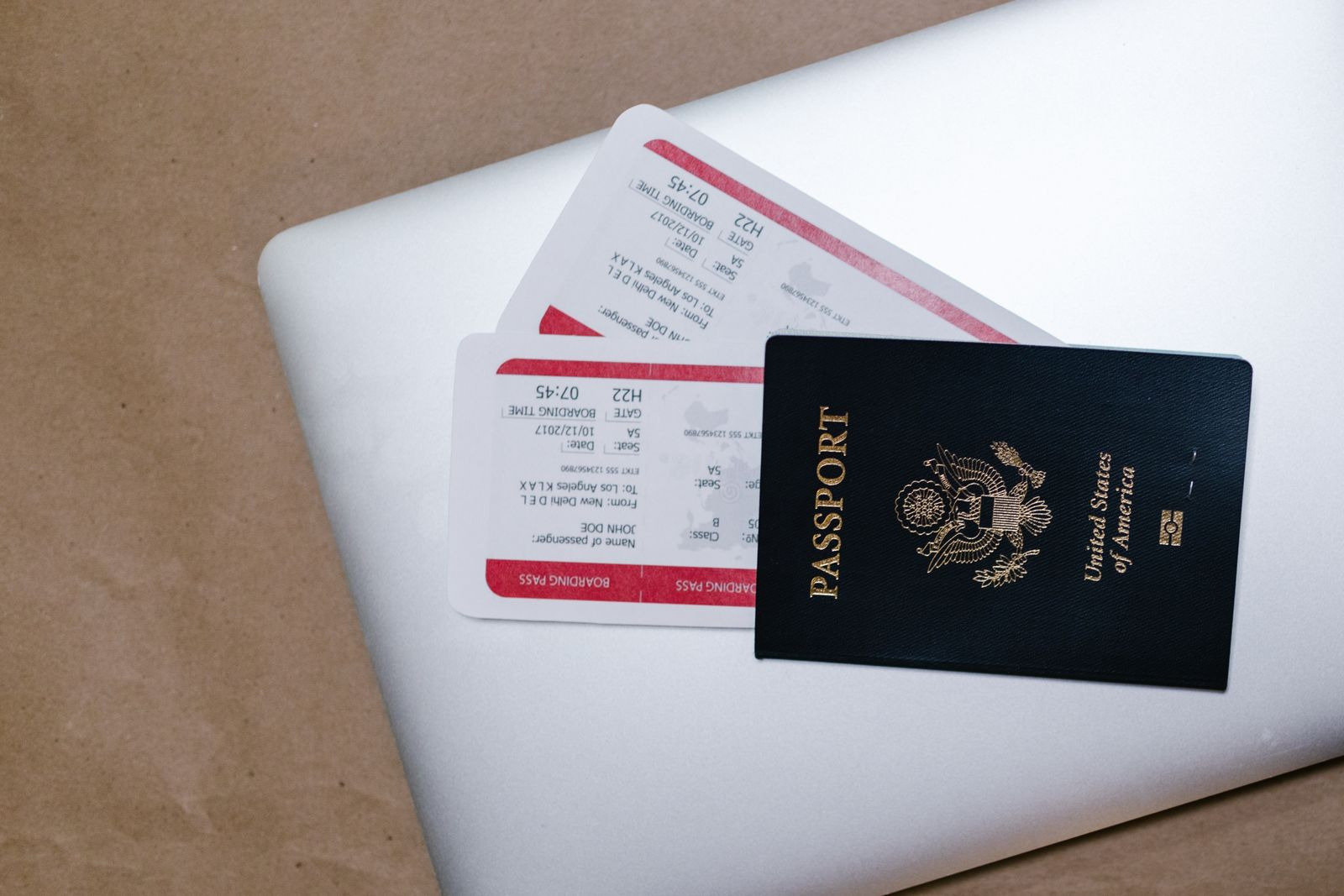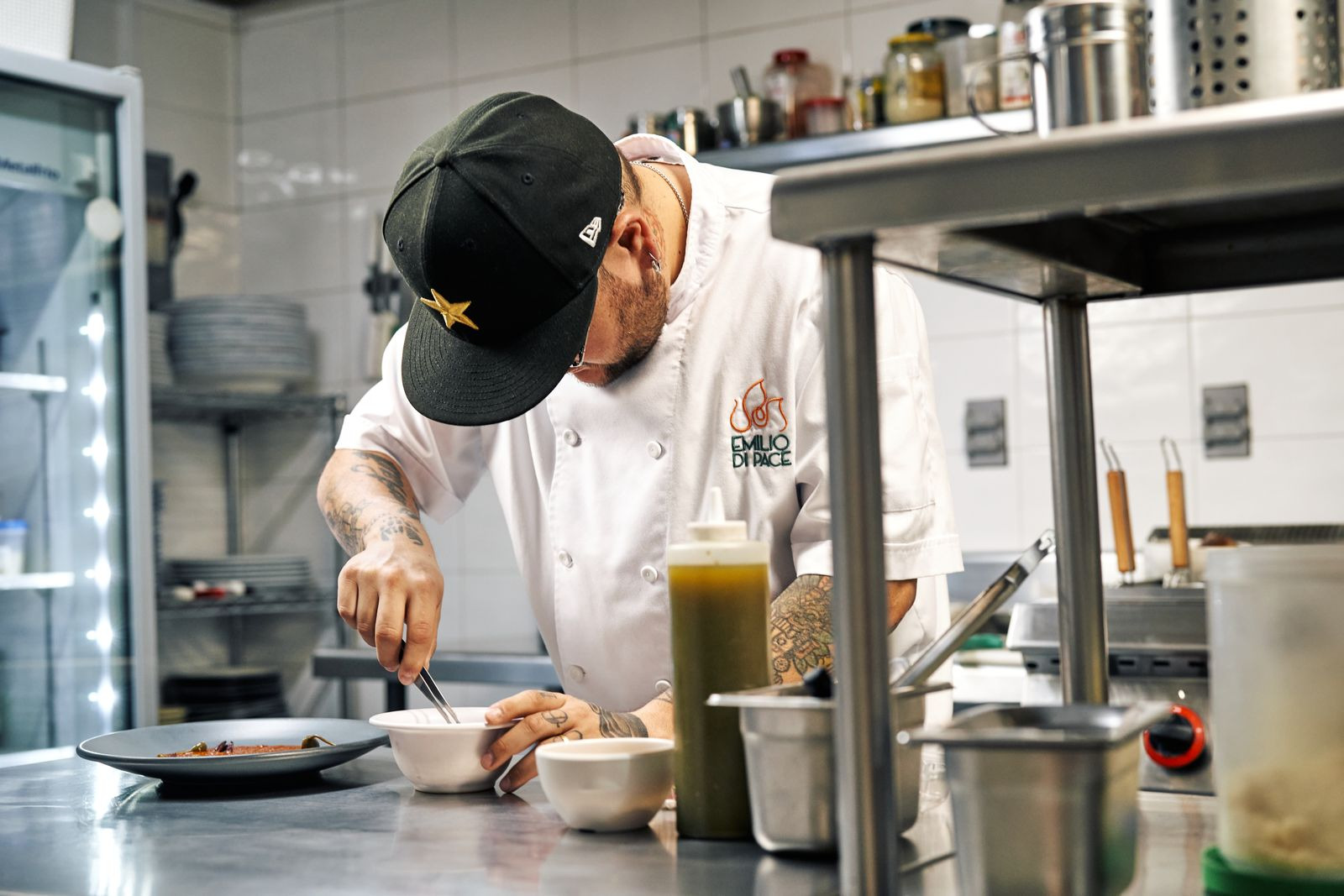
The United States boasts a vibrant and diverse culinary industry that presents a wealth of opportunities for chefs from across the globe. However, for international cooks aiming to pursue their careers in the U.S., securing employment frequently involves overcoming the complex process of obtaining visa sponsorship. With the rapid growth in the country's hospitality sector, the demand for skilled culinary professionals has never been higher. As restaurants, hotels, and catering companies multiply, employers actively seek talented chefs from various parts of the world to bring originality and a range of cooking techniques to their kitchens. For foreign chefs, finding positions that offer visa sponsorship is a critical step toward working legally and successfully in the United States.
To guide you through this promising career path, we will delve into the different types of chef positions available in the U.S., explore visa options, outline the requirements and eligibility criteria, discuss average earnings and benefits, and provide useful insights to navigate this journey.
Varieties of Chef Positions Available in the United States
The American culinary landscape is vast and varied, offering numerous roles for chefs depending on their training, specialization, and skill set. The following list highlights some of the most prominent chef roles frequently associated with visa sponsorship:
- Executive Chef (Head Chef): Serving as the leader of the kitchen, the executive chef is responsible for overseeing all facets of food preparation and kitchen management. This includes designing and updating menus, ensuring consistent quality control, managing kitchen staff, and handling the budgetary aspects of the culinary operation. Executive chefs play a pivotal role in shaping the dining experience and maintaining high standards across the establishment.
- Sous Chef: Acting as the executive chef's right hand, the sous chef supervises daily kitchen activities, trains staff members, and ensures smooth operations during the head chef's absence. This position demands strong leadership and multitasking abilities, as sous chefs often coordinate between various kitchen stations to maintain efficiency.
- Pastry Chef: Specializing in baked goods and desserts, pastry chefs craft bread, cakes, pastries, and other sweet confections. Their expertise is highly sought after by upscale restaurants, hotels, and bakeries aiming to offer exquisite dessert selections. The artistry and precision required make this a prestigious and competitive role within the culinary field.
- Line Cook (Station Chef): Line cooks are responsible for preparing specific dishes or ingredients at assigned kitchen stations. This role is typically an entry point for chefs new to professional kitchens in the U.S., providing invaluable hands-on experience and a chance to develop foundational culinary skills in a fast-paced environment.
- Private or Personal Chef: Catering to celebrities and affluent families, private chefs prepare customized meals in clients’ homes. These positions often come with perks such as accommodation, travel opportunities, and visa sponsorship, making them attractive options for chefs seeking a more personalized and stable work setting.
- Sushi Chef: Given the rising popularity of Japanese cuisine in the U.S., skilled sushi chefs are increasingly in demand. Many Japanese restaurants and hotels hire talented sushi chefs to ensure authenticity and maintain high culinary standards in their offerings.
- Catering Chef: Catering chefs specialize in preparing dishes for events such as weddings, corporate meetings, and social celebrations. Catering companies value chefs who bring diverse culinary skills, often recruiting international talent to enhance their menus and service quality.
- Cruise Ship Chef: Cruise lines operate floating hotels that serve guests from around the world, necessitating a team of proficient cooks. Many cruise companies offer visa sponsorship to chefs, enabling them to work onboard and gain unique experience in an international hospitality environment.
Advantages of Pursuing Chef Jobs With Visa Sponsorship in the USA
Choosing to work as a chef in the United States with visa sponsorship brings several significant benefits, including:
- Attractive Remuneration: One of the key draws of obtaining a chef job with visa sponsorship is the competitive salary. Depending on factors such as the chef’s role, level of expertise, and geographical location, salaries can vary widely-from approximately $30,000 annually to upwards of $100,000. Beyond the base salary, many employers offer additional compensation such as bonuses, gratuities, and other performance incentives. Full-time positions often come with supplementary benefits like health insurance, paid vacation time, and contributions to retirement savings plans.
- Opportunities for Career Advancement: The diverse culinary sector in the U.S. offers numerous pathways for professional growth. International chefs can gain valuable experience working in high-end restaurants, prestigious hotel kitchens, or large-scale catering operations. These experiences can open doors to senior roles such as restaurant owner, executive chef, or head chef. The vibrant hospitality industry also supports continuous learning through networking events, culinary competitions, and specialized training programs, facilitating ongoing skill development.
- Enriching Cultural and Professional Experiences: The multicultural fabric of the United States provides a rich environment for international chefs to expand their culinary horizons. Working alongside colleagues from varied backgrounds fosters knowledge exchange and collaboration, allowing chefs to integrate American ingredients and cooking methods into their repertoire. This exposure not only enhances creativity but also helps build a professional network that can be invaluable for future career opportunities.
- High Demand and Diverse Job Market: Skilled culinary professionals remain in short supply throughout many parts of the United States, particularly in fine dining establishments, hotels, and rural regions. The growing tourism and hospitality sectors maintain a steady demand for talented chefs, providing a dynamic job market with ample openings. This high demand increases the likelihood of securing satisfying, well-compensated positions with visa sponsorship.
- Quality of Life and Work-Life Balance: The United States offers excellent public infrastructure, healthcare systems, and educational institutions, consistently ranking highly on global quality-of-life indices. Chefs working in the U.S. can enjoy a modern and safe lifestyle, with access to vibrant urban centers, diverse communities, and beautiful natural landscapes. Alongside competitive salaries, many culinary jobs promote a balanced work-life environment, contributing to overall well-being.
- Enhancement of Professional Credentials: Gaining experience in leading American restaurants and hospitality venues significantly boosts a chef’s resume. The innovative, high-quality nature of U.S. culinary establishments is recognized worldwide, which can elevate a chef’s professional profile and open doors internationally. Exposure to a dynamic culinary scene fosters versatility and adaptability, qualities highly valued by employers globally.
- Pathway Toward Permanent Residency: For chefs who fulfill specific requirements, working in the United States under a sponsored visa can serve as a direct avenue to permanent residency. The U.S. immigration system is designed to attract skilled professionals, allowing chefs to apply for permanent residency after maintaining employment on a sponsored visa for a designated period. This status grants the ability to live and work in the U.S. indefinitely, offering greater job security and flexibility.
- Job Stability and Security: With the ongoing need for qualified chefs in the U.S. hospitality sector, positions with visa sponsorship provide strong employment stability. Many hotels, restaurants, and catering companies seek chefs with proven expertise, resulting in long-term career prospects. Once visa approval is secured, the work permit legally ties the chef to their job, reinforcing job security throughout the employment term.
Visa Categories for Chefs Seeking Employment With Sponsorship in the USA
Although the visa application process may be intricate, aspiring chefs aiming to work in the United States have multiple visa pathways to consider. Securing the appropriate work visa is essential to gain legal employment and reside in the country while pursuing a culinary career. Among the various visa types, several stand out as the most commonly utilized by chefs and culinary professionals:
- H-2B Visa (Temporary Non-Agricultural Worker Visa): The H-2B visa stands out as one of the prime options for international culinary professionals seeking temporary employment in the United States. This visa category is predominantly utilized by hotels, resorts, and restaurants that require foreign chefs, especially during seasonal periods when the demand for culinary expertise surges. The H-2B visa specifically allows foreign workers to take on temporary culinary roles that fall outside the agricultural sector. U.S. employers are permitted to hire foreign chefs under this visa only when they have demonstrated an insufficient number of qualified American workers to fill those positions. Typically, the H-2B visa has a validity period capped at 10 months, although in some cases, extensions might be granted depending on the need and circumstances. This visa is particularly beneficial for chefs aiming to gain experience in the U.S. culinary scene on a short-term basis while contributing to seasonal or temporary workforce demands.
- H-1B Visa (Specialty Occupations Visa) for Chefs: The H-1B visa is a non-immigrant visa designed for foreign nationals who are recruited to fill specialty occupations that require a high level of expertise, often including at least a bachelor's degree or its equivalent. While this visa category is predominantly associated with professions in IT, engineering, healthcare, and finance, it can also apply to certain chef roles that demand specialized culinary skills. Upscale or high-end culinary positions that require unique expertise and advanced competencies might qualify under the H-1B visa. However, it is important to note that it is relatively uncommon for chefs to obtain H-1B visas, given that most culinary positions do not typically fall under the 'specialty occupation' criteria as strictly defined by U.S. immigration regulations. Nonetheless, chefs possessing exceptional qualifications, such as advanced degrees in culinary arts or extensive experience in niche culinary fields, may pursue this visa pathway when sponsored by a U.S. employer.
- EB-3 Visa (Employment-Based Green Card): For chefs seeking permanent residence and the ability to live and work indefinitely in the United States, the EB-3 employment-based green card presents a viable option. This visa category requires a long-term job offer from a U.S. employer willing to act as the sponsor. Additionally, the employer must obtain certification from the Department of Labor (DOL), confirming that there are no qualified U.S. workers available for the position and that hiring a foreign chef will not adversely affect wages or working conditions. Once granted an EB-3 visa, the chef receives permanent residency status, allowing unrestricted work and residence in the U.S. This visa route is well-suited for chefs committed to establishing a long-term career within the American culinary industry.
- J-1 Visa (Exchange Visitor Program): The J-1 visa caters to individuals participating in cultural exchange programs, offering an opportunity to work and gain practical experience in the United States through authorized internship or training initiatives. Chefs can take advantage of the J-1 visa to engage in culinary internships or training programs that expose them to American culinary practices and professional environments. Many culinary schools and training organizations sponsor J-1 visas for international cooks, allowing them to refine their skills and increase their exposure to diverse culinary techniques in the U.S. This visa is particularly attractive for young chefs or culinary students eager to enhance their expertise through hands-on experience in American kitchens, all while participating in a cultural exchange that broadens their professional and personal horizons.
- O-1 Visa (Individuals with Extraordinary Ability or Achievement): The O-1 visa is specifically designed for individuals who have demonstrated extraordinary ability or achievement in their respective fields. It covers areas such as science, the arts, education, business, or athletics. For chefs, eligibility falls under the O-1B category, which is reserved for artists and individuals with exceptional artistic talents. Chefs who have achieved significant recognition, international acclaim, or have made notable contributions to the culinary arts may qualify for this visa. The O-1 visa is reserved for elite professionals who can provide extensive documentation of their extraordinary skills, awards, published works, or influential roles within the culinary industry. This visa permits such chefs to work in the U.S. temporarily while showcasing their exceptional talents to American audiences and employers.
Requirements and Eligibility for Chef Jobs With Visa Sponsorship USA
To qualify for chef positions in the United States that come with visa sponsorship, applicants must meet several specific requirements that vary depending on the employer and the visa type. However, there are common qualifications that most prospective chefs should aim to fulfill to enhance their eligibility and improve their chances of sponsorship:
- Formal Culinary Education: Prospective chefs must typically hold a Commercial Cookery Certificate or an equivalent credential from an accredited culinary institution. For applicants with foreign educational qualifications, it is often necessary to have them evaluated and certified by recognized assessment agencies to ensure they meet U.S. standards. This validation confirms that the culinary education aligns with American industry expectations and serves as proof of the applicant’s foundational culinary knowledge.
- Work Experience: Employers generally prefer chefs with substantial experience working in professional kitchen settings. A minimum of two to five years of relevant experience is commonly required, particularly in environments such as high-volume kitchens, fine dining establishments, or specialized cuisine sectors. This experience demonstrates the applicant's ability to handle the rigorous demands of professional cooking and adapt to different culinary styles and operations. Having a background in diverse culinary environments can significantly boost a chef’s attractiveness to U.S. employers.
- English Proficiency: Since effective communication is essential in U.S. kitchens, applicants are often required to prove their English language skills through accredited language tests such as the Pearson Test of English (PTE) or the International English Language Testing System (IELTS). Generally, a minimum score of 5.0 or higher is needed, although certain employers or visa categories may demand better results. Proficiency in English helps ensure smooth interaction with coworkers, supervisors, and customers, which is crucial for workplace efficiency and safety.
- Culinary Specializations: Employers often seek chefs who possess expertise in particular culinary fields, such as pastry arts, regional cuisines, or other specialized cooking techniques. Demonstrating versatility and creativity in menu development or culinary innovation can also be advantageous. Specializations can set a candidate apart by fulfilling specific business needs or appealing to niche markets, thus enhancing their employability.
- Health and Safety Standards: Compliance with U.S. food safety regulations, hygiene protocols, and workplace safety standards is mandatory. Many employers require certifications related to food handling and safety to ensure that chefs maintain high standards in kitchen operations. Additionally, some employers may insist on medical examinations or proof of vaccinations to confirm a candidate’s fitness to work in food service roles, protecting both the employee and public health.
- Physical Fitness: The role of a chef involves physically demanding tasks such as standing for long periods, lifting heavy pots and pans, and working in a fast-paced environment. Therefore, candidates must be in good physical condition to perform these duties safely and effectively. Employers may conduct basic fitness evaluations to verify that applicants can meet the physical requirements of the job.
- Valid International Passport: To legally enter and work in the United States, applicants must possess a valid passport issued by their home country. This document is essential for travel, identity verification, and processing immigration procedures.
- Background Check: A thorough criminal background check is a standard requirement to ensure the safety and integrity of the U.S. workforce. This verification helps confirm that candidates have no disqualifying criminal records or immigration violations. Employers may also request references to validate prior work experience, ensuring that the applicant’s qualifications and history are genuine and trustworthy.
How to Find and Apply for Chef Jobs With Visa Sponsorship USA
To successfully apply for chef positions that offer visa sponsorship in the United States, candidates should follow a structured approach that involves researching potential employers, preparing necessary documentation, and submitting applications through appropriate channels. Although the exact process can vary depending on the visa type and employer, the following steps provide a general guideline:
- Research and Identify Employers: Begin by identifying hotels, restaurants, resorts, and catering companies in the U.S. known to sponsor work visas for chefs. Job boards, culinary recruitment agencies, and industry networks can be valuable resources for finding visa-sponsored positions.
- Prepare Documentation: Gather all required documents, including your culinary qualifications, work experience certificates, language proficiency test results, valid passport, health certificates, and any relevant licenses or certifications. Having these ready ensures a smooth application process and demonstrates professionalism.
- Submit Applications: Apply to job openings through employer websites, online job portals, or recruitment agencies. Tailor your resume and cover letter to highlight your culinary skills, experience, and visa eligibility.
- Interview and Employer Sponsorship: If shortlisted, participate in interviews and discuss visa sponsorship details with potential employers. An employer must be willing to sponsor your visa and initiate the necessary immigration procedures.
- Visa Application Process: Once an employer agrees to sponsor your visa, follow the U.S. immigration procedures for the visa category under which you qualify. This involves submitting petitions, attending visa interviews, and completing medical and background checks as required.
By following these steps and meeting the eligibility criteria, aspiring chefs can find rewarding opportunities in the U.S. culinary landscape with the support of visa sponsorship.
- Job Portals: The initial step involves identifying which businesses are open to hiring foreign chefs. Chef jobs offering visa sponsorship in the USA are frequently posted on popular job boards, including Indeed, Glassdoor, LinkedIn, and SimplyHired. LinkedIn, in particular, is a valuable platform as it often features listings specifically mentioning visa sponsorship opportunities. To improve your search results, utilize targeted keywords such as "chef jobs with visa sponsorship USA." Additionally, there are niche websites dedicated to foreign workers seeking positions under visa sponsorship programs, such as H2B Visa Jobs. Beyond general job boards, many companies list available positions, including visa sponsorship details, directly on their corporate websites. Exploring these sources can uncover exclusive opportunities tailored for international chefs aiming to work in the United States.
- Prepare Your Resume: When crafting your resume, emphasize your culinary experience and relevant skills that align with the job requirements. Clearly list previous employers, job titles held, and specific responsibilities or accomplishments achieved in each role. Including any culinary certifications or training programs you have completed is crucial, as they demonstrate your qualifications. Alongside your resume, write a compelling cover letter that details your suitability for the chef position and explains your motivation for seeking employment in the U.S. Many employers require evidence of English language proficiency, so be prepared to submit TOEFL or IELTS test scores if requested. Furthermore, gather essential documents such as your passport, medical records, reference letters from past employers, and academic qualifications. Organizing these materials ahead of time streamlines the application and visa process.
- Submit Application: Once you find a job listing that explicitly supports visa sponsorship, promptly submit your application package, including your CV, cover letter, and any other required documents. It is important to clearly state within your application that you require visa sponsorship to legally work in the United States. This transparency helps employers understand your needs and plan accordingly. If the job posting provides multiple ways to apply, such as through an online portal or via email, choose the method that is most convenient and reliable for you. After submitting your application, be proactive by following up with the company after a few weeks, especially if you have not received any communication. This follow-up demonstrates your enthusiasm and keeps you informed about your application status.
- Secure a Job Offer: If your application is successful, you will likely be invited for an interview. For candidates applying from abroad, interviews are typically conducted over the phone or through video conferencing platforms. Prepare by reviewing common interview questions related to your professional background, reasons for wanting to work in the U.S., and your understanding of the culinary role you are applying for. During the interview, it is appropriate to ask questions about the visa sponsorship process, including the type of visa the employer will sponsor, estimated processing times, and any additional steps involved. Successfully passing the interview will result in a formal job offer from the employer, which is a critical milestone for moving forward with the visa application.
- Visa Petition: After extending a job offer, your employer takes the responsibility of petitioning the U.S. Citizenship and Immigration Services (USCIS) and the Department of Labor on your behalf. This process often involves filing for labor certification, which verifies that no qualified U.S. workers are available to fill the chef position, justifying the need to hire a foreign employee. Upon approval of the employer’s petition, you will be eligible to apply for a work visa to enter the United States. Prior to submitting your visa application, ensure you have your passport, the official employment offer letter, and documentation confirming your previous work experience prepared. These documents must be presented to the American Embassy or Consulate located in your home country as part of the visa application process.
Top Companies Offering Chef Jobs With Visa Sponsorship USA
Foreign culinary professionals seeking opportunities in the United States can find numerous positions backed by visa sponsorship. Several globally recognized hospitality corporations regularly sponsor visas to employ skilled chefs from around the world, granting them the chance to work legally and gain valuable experience in the U.S. Below is an overview of some leading companies known for providing chef jobs with visa sponsorship in the USA.
- Four Seasons Hotels and Resorts: Renowned worldwide for its commitment to luxury and exceptional service, Four Seasons Hotels and Resorts actively recruits talented chefs, especially for Executive Chef and Sous Chef roles. To uphold their high culinary standards, Four Seasons frequently sponsors visas for qualified foreign chefs, allowing them to join their prestigious teams across the country. Interested applicants can explore current openings and apply through the Four Seasons Hotels and Resorts career page, where visa sponsorship opportunities are regularly posted.
- Hyatt Hotels Corporation: Hyatt operates a wide range of hotel brands, including Andaz, Park Hyatt, and Hyatt Regency, offering diverse environments for culinary professionals. The company is known for providing excellent employee benefits alongside competitive salaries. Hyatt commonly sponsors visas for international chefs, particularly for positions such as Sous Chef and Chef de Partie, to facilitate their transition to the United States. Candidates interested in these roles should have adequate culinary experience and meet eligibility requirements for working under an H-2B visa. To view and apply for available chef jobs with visa sponsorship, visit Hyatt’s careers page.
- Marriott International: As one of the largest hotel and resort operators globally, Marriott International maintains a substantial presence across the United States. The company has a solid track record of sponsoring foreign workers through the H-2B visa program for various positions, including chefs. Marriott is recognized for its commitment to diversity and inclusion and often assists qualified international culinary professionals in joining its workforce. Job seekers can find numerous chef opportunities with visa sponsorship by visiting Marriott’s careers page, where openings are frequently updated.
- MGM Resorts International: This prominent entertainment and hospitality corporation operates acclaimed resorts, hotels, and casinos, providing a wide array of culinary employment opportunities. MGM Resorts International offers visa sponsorship for several chef roles, including Executive Chef, Sous Chef, Chef de Partie, and Line Cook. Their strong emphasis on diversity and inclusion makes them an attractive employer for foreign culinary experts seeking chef jobs with visa sponsorship in the USA. Candidates can explore current openings and apply via the MGM Resorts International careers page.
The Average Salary for Chef Jobs With Visa Sponsorship USA
Salaries for chefs in the United States vary widely depending on the specific role, geographic location, experience level, and the employer. On average, the hourly wage for chefs is approximately $20, with a typical range extending from $10.47 to $30.93 per hour. The following detailed breakdown illustrates approximate salary expectations for different experience levels and chef positions.
- Salary by Experience Level:
- Entry-Level Chef (0-2 years): Typically earn between $10.47 and $15 per hour, which equates to an annual salary range of roughly $21,000 to $31,200. Entry-level chefs usually perform foundational kitchen tasks and are gaining essential skills under supervision.
- Mid-Level Chef (3-5 years): With more experience, chefs can expect to earn from $15 to $25 per hour, translating to about $31,200 to $52,000 annually. These chefs often take on greater responsibilities, including managing specific kitchen sections and contributing to menu development.
- Experienced Chef (6+ years): Highly skilled chefs with extensive experience can command wages between $25 and $30.93 per hour, which corresponds to approximately $52,000 to $64,500 per year. These chefs frequently hold leadership roles and have expertise in specialized culinary techniques.
- Salary by Employment Types:
- Executive Chef: These top-tier culinary professionals typically earn between $60,000 and $100,000 annually, with hourly wages starting around $31.50. They oversee kitchen operations, menu planning, and staff management.
- Sous Chef: Serving as the second-in-command, Sous Chefs usually receive salaries ranging from $45,000 to $70,000 per year, averaging about $22 per hour. They assist the Executive Chef and ensure smooth kitchen workflow.
- Chef de Partie: Specialists responsible for specific kitchen stations earn approximately $52,727 per year, or about $25 per hour.
- Pastry Chef: Focused on desserts and baked goods, Pastry Chefs’ salaries range from $40,000 to $65,000 annually, roughly $24 to $33 per hour.
- Saucier: Chefs specializing in sauces and soups typically earn between $45,000 and $55,000 per year, with hourly rates of $22 to $27.
- Catering Chef: These chefs, who prepare food for events, earn between $40,000 and $70,000 annually, averaging around $22 per hour.
- Private Chef: Employed by individuals or families, Private Chefs often receive salaries ranging from $70,000 to $150,000 per year, equating to hourly wages above $31.50.
- Cruise Ship Chef: Working on cruise liners, these chefs earn between $35,000 and $70,000 per year and often benefit from free accommodation and meals as part of their compensation package.
For skilled culinary professionals, chef positions with visa sponsorship in the USA present an excellent opportunity to join esteemed restaurants, hotels, and hospitality establishments. Understanding the various types of chef roles, available visa options, and eligibility requirements is crucial for securing a position within the competitive American culinary industry. If you have a passion for cooking and aspire to work in the United States, it is important to research companies that offer visa sponsorship, enhance your cooking expertise, and apply for roles that align with your qualifications.
Although the journey to obtaining a chef job with visa sponsorship may be demanding, it offers rewarding outcomes, including a range of job titles, multiple immigration pathways, and valuable benefits. With proper preparation and knowledge, foreign chefs can build a successful career in the USA and may even pursue permanent residency over time. The U.S. culinary sector caters to professionals of all experience levels, providing numerous opportunities to grow and thrive.
Embarking on the path to becoming a chef in the United States is an exciting endeavor that can lead to a fulfilling and dynamic career. Start your journey today by exploring sponsorship options and sharpening your culinary skills to make your dream a reality.