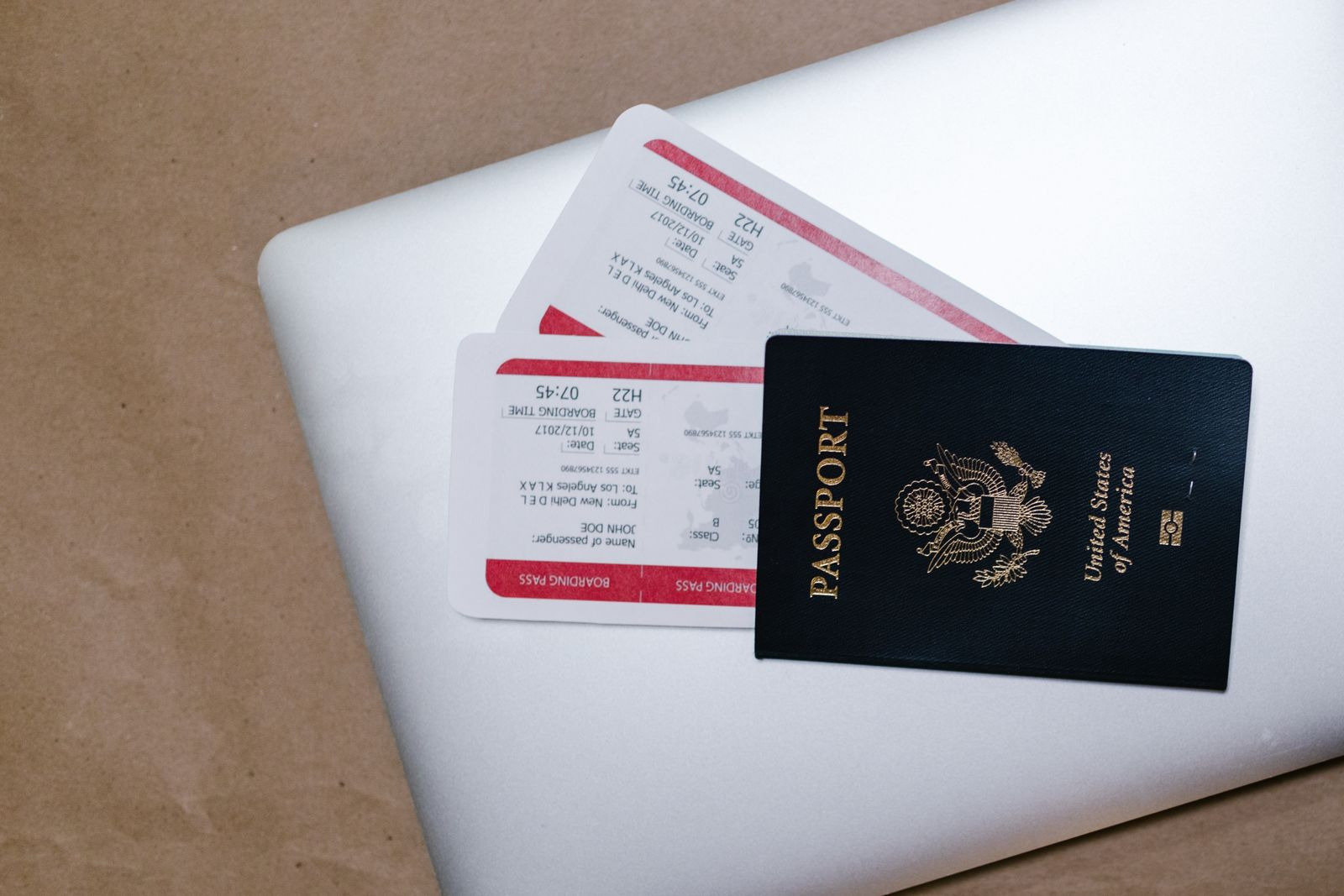
Each year, countless individuals from around the globe aspire to live and work in the United States, a nation celebrated for its rich cultural diversity, strong economic foundation, and abundant opportunities in education and career advancement. Among the various routes to obtaining permanent residency, commonly known as a "Green Card," one of the most notable and accessible options is the Diversity Visa (DV) Lottery program. This initiative, administered by the U.S. government, allocates up to 55,000 immigrant visas annually to applicants originating from countries with historically low immigration rates to the United States.
While the initial DV Lottery entry process appears simple-requiring only a free online application-there is a series of critical steps that follow upon selection. These include completing additional paperwork such as the DS-260 immigrant visa application, attending formal visa interviews, and managing various legal and financial obligations once in the U.S. New immigrants must carefully navigate choices concerning health insurance options, securing a mortgage for housing, establishing a credit history with credit cards, and preparing for unexpected circumstances by consulting professionals like a car accident attorney or considering life insurance. Gaining a comprehensive understanding of these elements can significantly ease the transition into American society.
This detailed guide walks you through the Diversity Visa Lottery from the initial application to post-selection steps, helping you avoid common mistakes, improve your chances of success, and prepare effectively for your new life in the United States.
What Is the Diversity Visa Lottery?
The Diversity Visa Lottery is an annual program overseen by the U.S. Department of State designed to enhance the diversity of the immigrant population in the United States. The program randomly selects individuals from eligible countries that have low immigration rates to the U.S., providing them with the chance to apply for permanent residency and live and work permanently in the country.
Key features of the DV Lottery include:
- Random Selection: Winners, often referred to as "selectees," are chosen through a computerized random lottery system, ensuring fairness in the selection process.
- No Fee for Entry: Applying through the official website (dvprogram.state.gov) is free of charge. Beware of third-party websites that charge application fees.
- Limited Application Window: The application period usually opens for a few weeks annually, typically between October and November, and pertains to the upcoming fiscal year’s program.
- High Competition: Millions of hopeful applicants participate each year, yet only approximately 55,000 diversity immigrant visas are granted worldwide through this program.
Who Oversees the DV Lottery?
The administration and management of the Diversity Visa program involve multiple U.S. government entities. The primary agency in charge is the U.S. Department of State, which handles the entry submissions, random selection process, and the publication of results. However, once an applicant is selected, other agencies become involved:
- Department of State (DoS): Responsible for managing the online entry system, conducting the random selection, and releasing lottery results.
- U.S. Citizenship and Immigration Services (USCIS): If a selectee is already present in the United States under a valid visa category, USCIS manages the adjustment of status process to become a permanent resident.
- U.S. Embassies and Consulates: For applicants residing abroad, these diplomatic missions conduct visa interviews and process immigrant visa applications.
At any stage, individuals may benefit from consulting a visa lawyer or immigration attorney, especially when facing complex situations such as prior visa refusals or eligibility uncertainties.
Why Does the Diversity Visa Program Exist?
The Diversity Visa program was established with the goal of promoting a more heterogeneous immigrant population within the United States. Historically, immigration to the U.S. has been dominated by certain regions or countries, leading to uneven representation. The DV Lottery specifically targets countries with lower recent immigration numbers, ensuring a broad spectrum of cultures and backgrounds contribute to the American mosaic. This fosters cultural exchange, diversity, and the enrichment of U.S. society.
Eligibility Requirements
Country of Birth
To participate, applicants must be born in a country deemed eligible for that particular year’s program. Countries with high rates of immigration to the United States-specifically those sending more than 50,000 immigrants over the previous five years-are generally excluded from eligibility. However, exceptions exist where applicants may claim the country of birth of their spouse or, in some cases, their parents, if that country is eligible, allowing them to participate indirectly.
Educational or Work Experience Criteria
Applicants must satisfy at least one of the following conditions:
- High School Education: Completion of a formal 12-year course of primary and secondary education that is equivalent to a U.S. high school diploma.
- Work Experience: Applicants can qualify by demonstrating at least two years of work experience within the last five years in an occupation that requires a minimum of two years of training or experience. The U.S. Department of Labor's O*Net Online database is a useful resource for determining which occupations meet these criteria.
Other Considerations
- Age: There is no explicitly stated minimum age for applicants; however, because of education and work experience requirements, most applicants tend to be at least 18 years old.
- Criminal Record: While a criminal record is not automatically disqualifying, certain convictions can render applicants ineligible for a visa. Those with legal concerns should seek advice from a personal injury attorney or criminal defense lawyer.
- Marital Status: Married applicants can include their spouse and unmarried children under the age of 21 in their application, allowing the entire immediate family to be considered for immigrant visas.
Application Process
When to Apply
The Diversity Visa application period usually opens once a year, generally in the fall months of October and November. The U.S. Department of State publishes the exact dates on its official website. It is important to submit your entry during this limited window, as late applications are not accepted under any circumstances.
How to Submit an Application
- Official Website: The only authorized platform for submitting Diversity Visa entries is the official website at dvprogram.state.gov. Applications submitted through any other platforms, especially third-party websites, are not legitimate.
- No Fee: Submitting an entry to the DV Lottery is completely free of charge. Be wary of websites or agents that demand payment for application assistance or guarantee success.
- One Entry Per Person: Each individual may only submit one entry per lottery cycle. Submitting multiple entries will result in disqualification. However, spouses can each submit their own separate entry, effectively doubling the family’s chance of selection.
Information and Documentation Needed
Applicants are required to provide accurate and up-to-date personal information, including:
- Personal Details: Full legal name, date of birth, gender, country of birth, and current marital status.
- Passport Information: As of recent years, a valid and unexpired passport is mandatory to enter the lottery. Exceptions exist for some stateless individuals or asylum seekers, but these are rare.
- Family Information: Details about your spouse and all unmarried children under the age of 21, if applicable.
- Education or Work Experience: Although applicants do not upload diplomas or employment certificates during the entry phase, they must truthfully report their educational level or qualifying work experience.
Photograph Requirements
Applicants must upload recent photographs that adhere strictly to the Department of State’s specifications to avoid disqualification:
- Head Position and Background: The photo must show a neutral facial expression, be taken against a plain white or off-white background, and avoid any shadows or distractions.
- No Glasses: Glasses are generally prohibited unless worn for documented medical reasons.
- Digital Alterations: Photos should not be heavily edited or altered. Any manipulation that significantly changes the applicant’s appearance can lead to disqualification.
Confirmation Number
After successfully submitting your entry, you will receive a unique confirmation number. This number is essential for checking your selection status in the following year. It is crucial to keep this number secure and accessible. While the website offers a retrieval feature if you lose it, maintaining it safely from the start is highly recommended.
After Application: Selection and Results
Typically, lottery results are announced around May of the year following your application. To check your status, visit the Entrant Status Check page on dvprogram.state.gov and enter your confirmation number along with other required personal details.
- Selected Entrants: Those selected will see a confirmation page containing further instructions, commonly referred to as the "Letter of Notification." It is important to understand that selection means eligibility to apply for a visa, but does not guarantee visa issuance.
- Non-Selected Entrants: If not selected, the system will display a standard message indicating this. Applicants can try again in future years as long as their country remains eligible.
Because the number of selectees typically exceeds the number of available visas, it is essential to act promptly and follow all instructions if you are selected to maximize your chances of successfully obtaining a visa.
Common Mistakes and How to Avoid Them
- Incorrect Photographs: Many applications are disqualified due to failure to comply with photographic guidelines. Carefully review and adhere to all photo requirements.
- Duplicate Entries: Submitting more than one entry per person automatically disqualifies all submissions from that individual.
- Using Non-Official Websites: Beware of fraudsters posing as official agents. Remember, the DV Lottery entry is free and must be submitted only through the official government website.
- Misspelled Names or Inaccurate Dates: Ensure that all personal information matches your passport and official documents precisely.
- Providing False Information: Any intentional or unintentional misrepresentation can lead to disqualification and future visa ineligibility.
When uncertain, consulting an immigration attorney or visa lawyer prior to submission can help verify your application’s accuracy. Correcting errors before the lottery reduces the risk of post-selection complications.
Next Steps if You Are Selected
DS-260 Form and Supporting Documents
Selected applicants must complete the DS-260 immigrant visa application online and prepare the necessary supporting documentation. These documents typically include birth certificates, police clearance certificates, marriage certificates, and proof of education or relevant work experience.
- Timeliness: Prompt completion of the DS-260 is important to expedite processing.
- Accuracy: Double-check all information for correctness to avoid delays or jeopardizing your visa approval.
Visa Interview at the U.S. Embassy/Consulate
Following the processing of your DS-260 by the Kentucky Consular Center (KCC), you will be scheduled for a visa interview in your home country or country of residence. Important points to remember include:
- Interview Notices: Stay vigilant for appointment letters sent via email or updates on the Entrant Status Check portal.
- Document Preparation: Bring originals and photocopies of all required documents, and have certified translations ready if your documents are not in English.
- Fees: A visa application fee, currently set at $330 per applicant, must be paid prior to or on the day of the interview. This fee is non-refundable regardless of the interview outcome.
Medical Examination
All immigrant visa applicants are required to undergo a medical examination by an approved panel physician to ensure they do not have communicable diseases that pose a public health risk in the U.S.
- Vaccinations: You may be asked to provide proof of routine vaccinations such as measles, polio, and COVID-19.
- Exam Costs: The price of the medical exam varies depending on the country, typically ranging from $100 to over $500 per individual.
Entering the United States and Green Card Procedures
Activating Permanent Resident Status
If you are granted a Diversity Visa, the next steps include:
- Visa Validity: The visa is generally valid for up to six months from the date of issuance. You must enter the United States before this expiration date.
- Immigrant Fee: The U.S. Citizenship and Immigration Services (USCIS) charges an Immigrant Fee of approximately $220 to produce and mail your physical green card. This fee should be paid online either before or shortly after entering the U.S.
- Port of Entry: Upon arrival, U.S. Customs and Border Protection (CBP) officers will inspect your documents. Once admitted, you officially become a lawful permanent resident (LPR).
Receiving the Physical Green Card
Your permanent resident card will be mailed to the U.S. address you provided in your DS-260 application. Typically, the green card arrives within a few weeks to several months after your entry, although delays can sometimes occur.
Life in the USA: Practical Considerations
Finding Employment
As a lawful permanent resident, you have the legal right to work for any U.S. employer without needing additional work authorization. To enhance your job search:
- Resume and LinkedIn: Adapt your resume to U.S. standards and utilize networking platforms like LinkedIn to connect with potential employers and explore opportunities.
- Job Fairs and Staffing Agencies: Many industries rely on recruitment agencies and local staffing firms to fill positions, making these valuable resources for job seekers.
If your profession requires specific licensing or certification-common in fields such as healthcare, engineering, or law-research the particular requirements for the state where you plan to work. Should you encounter workplace discrimination or need assistance reviewing employment contracts, consulting an employment lawyer or immigration attorney is advisable.
Housing and Mortgages
Securing housing is often one of the first major challenges for new immigrants:
- Renting: Landlords usually require background checks, proof of income, and possibly references. Be prepared to provide documentation demonstrating your financial stability.
- Mortgages: After establishing a credit history and stable employment, you may qualify to purchase a home. Keep informed about best refinance rates to potentially reduce mortgage costs in the future.
- Real Estate Attorneys: These professionals can guide you through property transactions and help you understand complex contracts.
Building Credit and Credit Cards
Maintaining a good U.S. credit score is crucial for various aspects of daily life, including renting apartments, securing loans, and sometimes even for employment screenings. To build credit:
- Secured Credit Cards: Ideal for newcomers with no credit history, these cards require a cash deposit as collateral for the credit limit.
- No Credit Check Accounts: Some banks offer accounts specifically designed for new immigrants that do not require a credit check.
- Pay Bills On Time: Consistently paying bills such as utilities, credit cards, and loans on time positively impacts your credit score.
Health Insurance
The U.S. healthcare system is predominantly private and can be expensive without proper health insurance. Options include:
- Employer Plans: Many full-time jobs provide group health insurance to employees, often at subsidized rates.
- Marketplace Insurance: Also known as "Obamacare," this federal and state-run exchange allows individuals to compare and purchase private health insurance plans.
- Medicaid: A government-funded program offering health coverage to low-income residents, with eligibility varying by state.
If you have specialized medical needs or encounter disputes with insurers, consulting an insurance broker or healthcare attorney may be beneficial.
Other Insurance and Legal Preparations
- Life Insurance: This provides financial security for your dependents in the event of your death. Policy terms and premiums vary based on factors like age and health.
- Car Insurance: Most U.S. states require car insurance if you own or operate a vehicle. In case of accidents, having a car accident attorney can be invaluable.
- Personal Injury Attorney: Useful if you experience injuries related to workplace accidents or other incidents such as slips and falls.
- Tax Attorney: Can assist in managing complex tax issues, especially if you have income or assets in multiple countries.
Potential Challenges and How to Address Them
- Visa Bulletin Cutoffs: The U.S. Department of State’s Visa Bulletin dictates when case numbers become current. If your Case Number is high, you may have to wait until the fiscal year ends, potentially risking the expiration of your opportunity. Staying informed by regularly checking the Visa Bulletin is essential.
- Misrepresentation or Inconsistencies: Any discrepancies between your initial lottery entry, DS-260 form, and interview statements can result in denial due to fraud allegations. Always provide truthful and consistent information.
- Background Checks: Previous immigration violations or criminal records may lead to heightened scrutiny and possible ineligibility. Consulting an immigration attorney can help navigate these concerns.
- Financial Stress: Establishing a stable income in a new country can be difficult. Exploring small business loans or entrepreneurial ventures might be options, but should be approached cautiously with proper financial advice.
- Credential Recognition: Some professions require re-licensing or certification in the U.S., which can be both time-consuming and costly. Researching requirements early will help in planning your career path.
Seeking Professional Guidance (Immigration Attorney, Visa Lawyer Consultation)
While submitting the DV Lottery application is relatively straightforward, the procedures after being selected can become complex and require legal expertise. Situations where professional assistance is highly advantageous include:
- Complex Case Histories: If you have prior immigration issues, deportation orders, or criminal records.
- Family Petitions: When managing applications involving multiple dependents or complicated marital histories.
- Legal Document Preparation: Ensuring that your DS-260 and all supporting documentation are accurately completed and submitted to avoid delays or denials.
Though hiring an immigration attorney or seeking a visa lawyer consultation may seem like an additional expense, such investment can expedite your case, reduce errors, and increase the likelihood of a successful outcome.
Frequently Asked Questions (FAQs)
- Is the DV Lottery truly free?
Yes, entering the Diversity Visa Lottery through the official government website is entirely free. You only pay visa-related fees if you are selected and proceed with your application. - Can I adjust status if I’m already in the U.S.?
If you are currently in the United States under a valid visa and your visa category is current, you may be eligible to file for adjustment of status with USCIS. Consulting an immigration attorney is recommended to guide you through this process. - Should I pay a service to help me apply?
It is not necessary to pay for application assistance. Many paid services cannot guarantee success or official representation. You can independently apply via dvprogram.state.gov. - What if my country is not on the eligible list?
You may still qualify if your spouse or parent was born in an eligible country under specific conditions. - What if I lose my confirmation number?
The official website provides a retrieval option using your personal details, but it is best to save and protect your confirmation number carefully. - Can I include my spouse and children after the lottery results?
You should include your spouse and children at the time of entry if they existed before applying. Omitting them can lead to disqualification at later stages. - What if my passport expires after I submit my entry but before the interview?
You can renew your passport. Make sure to bring both the old and new passports to your visa interview, along with evidence linking the two documents. - Does selection guarantee I will receive a visa?
No. Being selected offers the opportunity to apply for a visa, but approval depends on meeting all eligibility criteria and successfully completing the interview and medical examination prior to visa availability.
Conclusion
The Diversity Visa Lottery represents a unique and valuable opportunity for individuals born in countries with historically low rates of immigration to the United States to obtain permanent residency. Though the initial application is free and relatively simple, the subsequent steps-ranging from completing the DS-260 form and attending visa interviews to adjusting to life in the U.S. by securing housing, building credit through credit cards, obtaining health insurance, and possibly acquiring a mortgage-require careful attention and preparation.
For many, the chance to live and work in the United States opens doors to pursue higher education through online college courses, start businesses with the aid of small business loans, or simply build a stable and prosperous future for themselves and their families. It is vital to approach each phase with honesty, diligence, and adherence to U.S. immigration laws and protocols.
If complications or uncertainties arise-whether related to paperwork, legal eligibility, or adapting to life in America-seeking counsel from a qualified visa lawyer or immigration attorney can provide crucial support. Their expertise helps avoid common pitfalls, keeps you informed of important deadlines, and smooths the overall transition experience.
Ultimately, the DV Lottery symbolizes an invitation to join a diverse and vibrant community of immigrants who contribute significantly to the cultural and economic fabric of the United States, making it a land of opportunity for those who prepare well and pursue their dream with commitment.