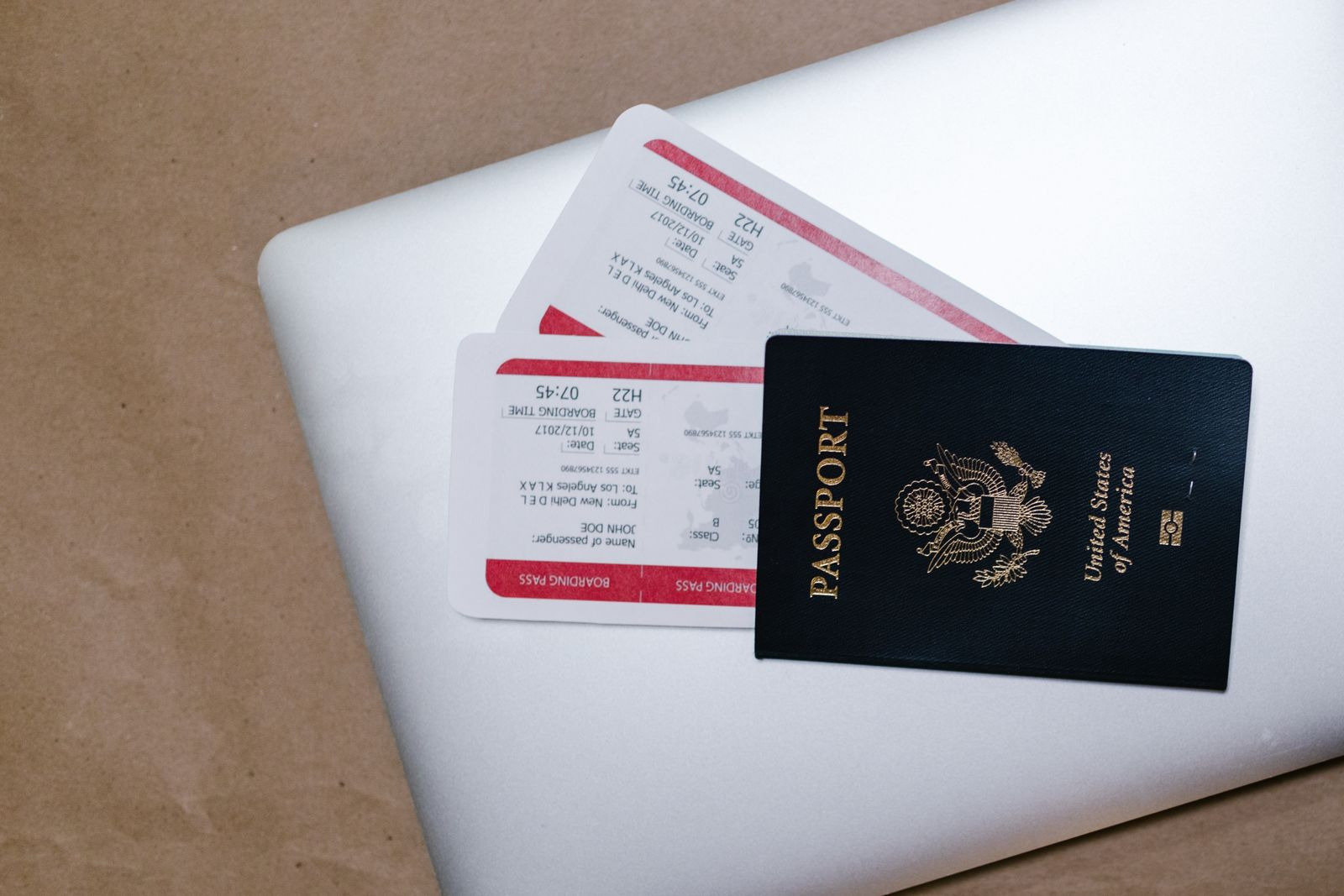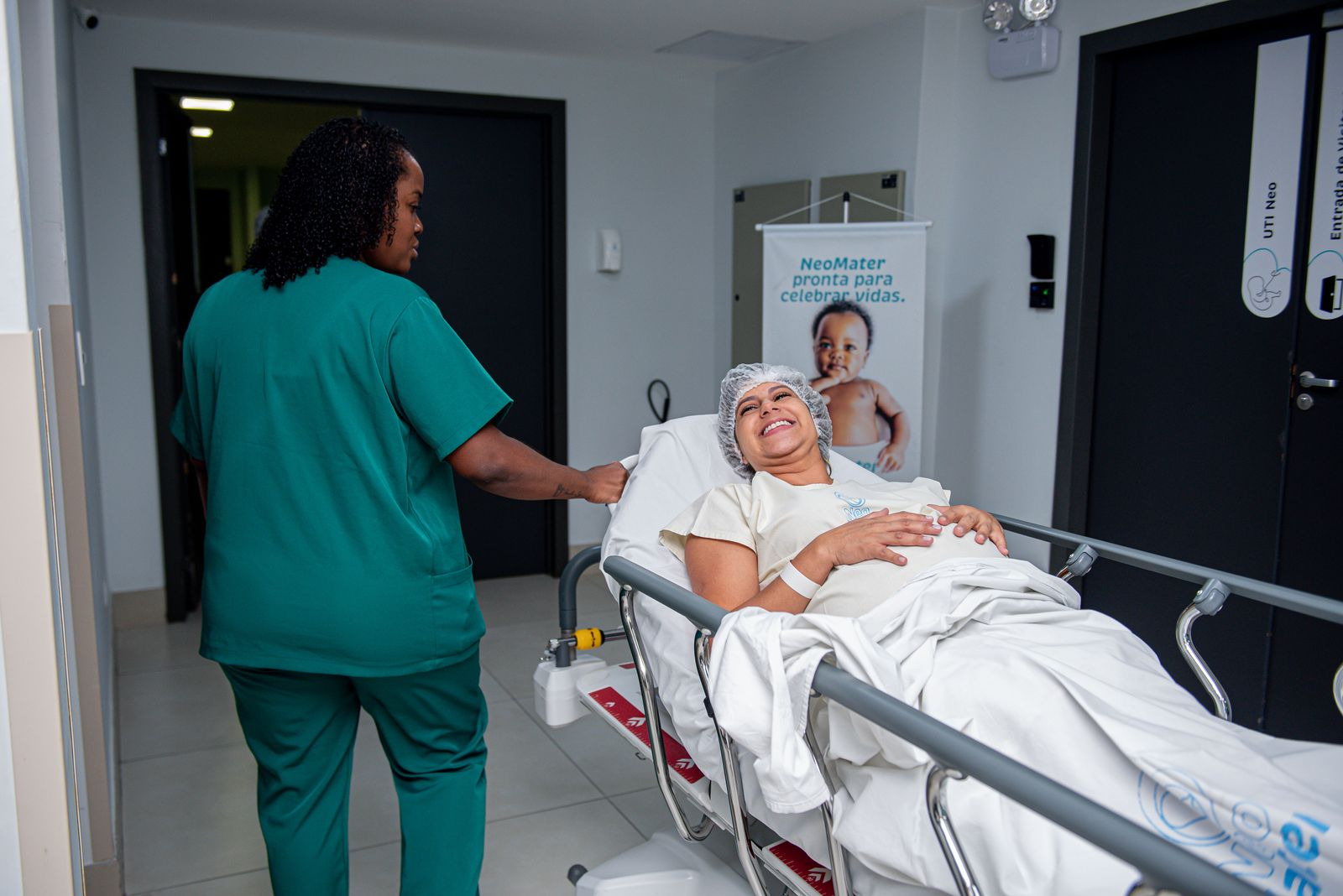
The United States is currently experiencing an unprecedented demand for healthcare professionals, with a particular emphasis on caregiver roles that offer EB-3 visa sponsorship for the years 2026 and 2027. These caregiver positions have gained significant traction among job seekers, especially those who are motivated by the opportunity to make a meaningful difference in the lives of others. Caregivers play a crucial role in supporting elderly individuals living in senior care settings, including those facing physical or mental impairments as well as individuals recuperating from illnesses. The availability of employer-sponsored visas, which facilitate free work permits, further enhances the appeal of these jobs to international applicants.
As we progress through 2026, the United States is grappling with a growing shortage of qualified caregivers, largely driven by the nation’s aging population. This shortage opens a pathway for skilled professionals from across the globe to secure stable employment and build a life in the U.S. Caregiver roles with visa sponsorship options provide not only job security but also a potential route to permanent residency and long-term immigration benefits. Given these promising prospects, it is important to delve deeper into the nature of caregiver jobs and their significance in today’s healthcare landscape.
Understanding Caregiver Jobs
Caregiver positions primarily involve offering personalized assistance and support to individuals who require help with daily living activities. These activities can range from basic hygiene tasks such as bathing and dressing to more involved duties like meal preparation, medication reminders, and emotional companionship. The category of caregivers can be broadly divided into two main groups: informal caregivers and professional caregivers.
Informal caregivers are typically family members or volunteers who provide companionship and help with household chores but may not possess formal medical training. In contrast, professional caregivers encompass a broad spectrum of trained healthcare workers who have specialized skills and certifications. This article focuses on the professional caregiver roles that are most relevant to individuals seeking employment in the U.S. with visa sponsorship. Below is a detailed overview of the various types of caregiver jobs you may encounter.
- In-Home Caregivers: These caregivers provide private duty home care to clients within the comfort of their own residences. Their responsibilities include assisting with personal hygiene tasks such as bathing and dressing, preparing meals, reminding clients to take medications on schedule, and performing light household chores. One of the advantages of becoming an in-home caregiver is that it often requires minimal formal education, allowing individuals with a high school diploma to quickly enter the field. Entry-level positions usually provide on-the-job training to equip new caregivers with the necessary skills. The hiring process typically involves a thorough interview, background checks, drug screening, and obtaining CPR certification. Salaries for in-home caregivers vary widely depending on geographic location, experience, and certifications but typically range from $31,500 to $54,000 annually.
- Independent Caregivers: Independent caregivers work either on their own or contract with clients directly. To qualify for this role, candidates generally need a high school diploma or GED and certification relevant to caregiving, such as being a Certified Nursing Assistant (CNA) or Home Health Aide (HHA). Providing transportation services requires a valid driver’s license and a clean driving record. Certification training for CNAs or HHAs can take several weeks to months and is regulated at the state level, so requirements may vary. Some clients may only require basic certification in CPR and first aid. Independent caregivers earn between $28,500 and $36,000 per year on average.
- Healthcare Administrators and Geriatric Care Managers: These professionals oversee teams of caregivers and coordinate care for elderly patients. Their duties include setting objectives, delegating tasks, monitoring employee performance, and ensuring that the team meets the organization's goals. Specific responsibilities depend on the employer but generally involve managing staffing needs, identifying training requirements, and collaborating with human resources to improve care delivery. Salaries for healthcare administrators or geriatric care managers typically fall within the range of $42,000 to $68,500 annually.
- Assisted Living Facility (ALF) Staff and Skilled Nursing Facility (SNF) Employees: Caregivers working in assisted living or skilled nursing facilities focus on supporting the mental, physical, and emotional health of elderly residents. While some larger nursing homes hire caregivers directly, many facilities contract with external agencies to provide staffing support. These caregivers play a vital role in enhancing patients’ quality of life during their later years. Gaining experience in senior centers or geriatric healthcare facilities is often a prerequisite before securing positions in ALFs or SNFs. With sufficient experience, some caregivers may also work as independent contractors, building their own client base. Salary ranges for these positions generally lie between $29,500 and $37,500 per year.
- Certified Nursing Assistants (CNAs): CNAs differ from Personal Care Aides (PCAs) and Home Health Aides (HHAs) in that they typically provide medical-related services under the supervision of Registered Nurses (RNs) or Nurse Practitioners (NPs). They work in diverse settings such as skilled nursing facilities, rehabilitation hospitals, and daycare centers. Their medical tasks include taking vital signs, changing dressings, managing catheters, preventing infections, and administering treatments. The pay for CNAs ranges from $30,000 to $50,000 annually, reflecting the more clinical nature of their responsibilities.
- Personal Care Aides (PCAs): PCAs mainly assist clients with personal support and daily living activities but usually do not perform medical procedures. Their services include companionship, helping with mobility, and assisting with household chores. PCAs often work in community centers or private homes and primarily serve elderly or disabled clients who require non-medical assistance. The yearly salary for PCAs typically falls between $22,000 and $35,000.
- Home Health Aides (HHAs): HHAs provide essential support to clients by helping with daily tasks such as dressing, grooming, bathing, and meal preparation. They also assist with basic health-related services, including handling small medical equipment, guiding physical therapy exercises, and monitoring vital signs. Operating primarily within clients’ homes, HHAs enable elderly or recovering patients to maintain independence. The annual salary for HHAs usually ranges from $27,000 to $45,000.
The core mission for all caregivers is to ensure the comfort, safety, and well-being of those under their care-particularly elderly patients and individuals with disabilities. While specific duties vary depending on the client’s unique needs, the overarching goal remains the same: to provide compassionate, attentive support that enhances quality of life. The increasing number of seniors in the U.S. has created a surge in demand for caregivers, making this career path one with abundant opportunities. For those passionate about caregiving and interested in working in the United States, understanding the availability of visa sponsorships is a crucial step toward securing these roles.
Top 10 Benefits of Caregiver Jobs in the USA with Visa Sponsorship
- Attractive Salary Packages: Caregivers in the United States receive competitive pay that reflects their skills, experience, and the specific region in which they work. Annual earnings typically range between $25,000 and $60,000, depending on these factors. Additionally, caregivers can boost their income through overtime hours and extra compensation for weekend shifts, providing further financial incentives.
- Strong Demand and Employment Stability: The growing population of elderly patients in the United States has led to an increased need for caregiving professionals. This demographic trend ensures a consistent demand for caretakers, creating a stable job market and long-term career security for individuals in this field.
- Visa Sponsorship Opportunities: Numerous employers in the USA offer visa sponsorship to foreign nationals seeking caregiver positions. This sponsorship typically covers the legal and logistical expenses required for living and working in the country. Some companies extend this support to family members, enabling caregivers to bring their relatives with them.
- Flexible Work Arrangements: Caregiver roles often come with various scheduling options, including part-time, full-time, and live-in positions. This flexibility accommodates individuals who need to balance work commitments with personal responsibilities, making the profession accessible to a diverse range of applicants.
- Pathways for Career Advancement: Starting as a caregiver can be an excellent entry point into the healthcare sector. Employers frequently provide training programs, certifications, and educational support to help caregivers advance professionally. These opportunities enable workers to progress into roles such as Certified Nursing Assistants (CNA), Registered Nurses (RN), or even healthcare administration positions.
- Cultural Enrichment and Exchange: Working in the United States allows foreign caregivers to immerse themselves in a new culture, improve their language skills, and broaden their global outlook. This cultural exchange not only enhances personal growth but also strengthens resumes for future international job prospects.
- Additional Employer Benefits: Many caregiving employers go beyond basic compensation by offering perks such as complimentary training and certifications, assistance with housing or transportation, paid vacation time, and performance bonuses. These added benefits contribute to job satisfaction and overall well-being.
- Meaningful Personal Satisfaction: The caregiving profession is uniquely rewarding because it involves directly improving the lives of others. Providing care, emotional support, and companionship gives caregivers a profound sense of purpose and fulfillment that few other careers can match.
- Health and Retirement Advantages: Besides wages, many caregiving jobs include comprehensive benefits such as paid sick leave, health insurance, and retirement plans. These provisions help ensure the long-term financial security and health stability of caregivers.
- Development of Valuable Skills: Caregivers acquire a broad set of transferable skills through their work. These include fundamental medical knowledge like first aid, effective time management, organizational abilities, and strong interpersonal and communication skills. Such competencies are beneficial across numerous personal and professional domains.
For individuals seeking career growth, reliable employment, or the chance to make a significant difference in others’ lives, caregiving offers a compelling professional path. Jobs for caregivers in the USA that include visa sponsorship combine financial rewards, career development, and personal fulfillment.
Understanding Caregiver Jobs in the USA with Visa SponsorshipWhen an employer offers visa sponsorship, they are formally supporting your application to live and work legally in the United States. This sponsorship streamlines the immigration process, enabling caregivers to obtain the necessary authorization to work under specific visa classifications.
- Visa Options for Caregivers
- H-2B Visa: This non-immigrant visa is designed for temporary or seasonal work, including caregiving roles. It allows foreign workers to live and work in the United States for up to three years under this status.
- EB-3 Visa: The EB-3 visa offers a path to permanent residency (green card) for skilled workers, professionals, or other workers, including caregivers. It is a preferred route for those seeking long-term employment and residence in the U.S.
- J-1 Visa: Primarily used for cultural exchange programs, this visa may sometimes apply to caregivers who participate in such initiatives, facilitating temporary work and cultural learning experiences.
Visa sponsorship often includes coverage for the PERM Labor Certification process, application fees, and occasionally relocation expenses, easing the financial burden on foreign caregivers.
Essential Eligibility Criteria for Caregiver Positions in the USAFor individuals pursuing caregiver jobs in the USA with visa sponsorship, meeting specific eligibility requirements is crucial. These criteria assure employers and immigration authorities that candidates possess the necessary qualifications and skills to provide competent care.
- Educational Background: Most caregiver positions require applicants to meet a minimum education standard to ensure they can handle job responsibilities effectively. This generally includes:
- A high school diploma or equivalent certification such as a GED.
- In some situations, relevant work experience may be valued more highly than formal education.
- Completion of the CGFNS VisaScreen service, which evaluates whether an applicant’s educational credentials, training, and licenses meet U.S. standards. This process also includes an English language proficiency assessment via tests like TOEFL or IELTS. Successful candidates receive an ICHP Certificate, which remains valid for five years.
Applicants who hold post-secondary degrees in nursing or healthcare-related fields are often well-qualified for caregiving roles and may have an advantage when applying.
- Training and Certifications: Employers frequently prefer candidates who have completed formal training or hold relevant certifications. Common and valued certifications include:
- CPR and First Aid Certification: Ensures caregivers can competently respond to medical emergencies.
- Home Health Aide (HHA) Certification: Focuses on skills necessary to provide effective care within a home environment.
- Certified Nursing Assistant (CNA): Prepares caregivers to perform medical tasks under the supervision of licensed nurses.
- Specialized Certifications: Additional training in areas such as pediatric care, dementia care, or Alzheimer’s disease care is highly regarded and may increase employability.
- Caregiving Experience: While entry-level caregiving positions may not always require previous experience, many employers prefer candidates who have hands-on experience in the field. In fact, some agencies or employers specifically ask for one to two years of documented caregiving experience. This experience might include a range of activities such as:
- Providing personal care to family members or relatives.
- Working in professional caregiving roles within private residences, nursing homes, or hospitals.
- Participating in volunteer work at healthcare institutions or senior citizen centers.
- Language Proficiency: Effective communication is a critical skill for caregivers, as they must interact clearly and compassionately with clients, their families, and healthcare professionals. Some important language-related criteria include:
- Familiarity with medical terminology is often preferred, as it helps caregivers understand and follow healthcare instructions accurately.
- There is a significant demand for bilingual caregivers. Those fluent in Spanish, Chinese, or other languages commonly spoken in the U.S. are especially sought after, as they can better serve diverse populations.
- Strong English communication skills, including the ability to write and speak effectively, are essential for most caregiving roles.
- OSHA Compliance: Caregivers must adhere to Occupational Safety and Health Administration (OSHA) regulations, which involve implementing workplace safety and health measures to protect both employees and clients.
- HIPAA Training: The Health Insurance Portability and Accountability Act (HIPAA) mandates strict confidentiality regarding patient information. Caregivers typically undergo annual training, often delivered online, to ensure they understand how to safeguard Protected Health Information (PHI), comply with privacy and security rules, and appropriately respond to data breaches. This training fosters trust between patients and caregivers while ensuring legal compliance.
- Physical and Emotional Fitness: The caregiving profession can be physically demanding and emotionally challenging. Applicants must demonstrate the capability to meet these demands through qualities such as:
- Physical ability to assist clients with mobility tasks, including lifting or helping them transfer between beds, wheelchairs, or other positions.
- Endurance to perform physically strenuous duties and work long or irregular shifts without compromising care quality.
- Emotional resilience to manage stressful situations, including emergencies or difficult client behaviors.
- Compassion, patience, and empathy to provide sensitive, respectful, and high-quality care that supports clients’ dignity and comfort.
- Background Checks and Clearance: Employers must ensure a safe environment for clients and staff, so they require caregivers to undergo comprehensive background screenings. These checks typically include:
- Criminal record clearance to verify the absence of disqualifying offenses.
- Verification of references or previous employment to confirm experience and reliability.
- Drug testing to ensure caregivers are free from substance abuse that could impair their duties.
- Skills and Personal Attributes: Success as a caregiver depends not only on technical skills but also on personal characteristics. Employers look for candidates who exhibit:
- Strong interpersonal skills to build trust and rapport with clients and their families.
- Flexibility and adaptability to accommodate diverse client needs and varying care environments.
- Problem-solving abilities to handle unexpected situations effectively.
- Dependability, including punctuality and consistency in delivering care.
- Pre-employment Screening: To protect both clients and employees, healthcare organizations often require documentation of vaccinations and health clearances before hiring. Common health screenings include:
- Tuberculosis (TB) clearance to prevent transmission of infectious diseases in vulnerable populations.
- COVID-19 vaccination proof, reflecting current public health guidelines.
- General medical examinations to confirm fitness for caregiving responsibilities.
Caregivers who meet these eligibility criteria are well-prepared to manage the responsibilities their roles demand. Whether you are applying locally or as an international candidate seeking caregiver positions in the USA with visa sponsorship, focusing on training, acquiring certifications, and developing personal skills will significantly enhance your employability.
How To Apply For Caregiver Jobs In USA With Visa Sponsorship
Applying for caregiver roles in the United States that offer visa sponsorship requires a well-organized and thoughtful approach. Employers who sponsor visas are looking for dedicated, qualified individuals who meet both immigration and caregiving standards. The following detailed steps will guide you through the application process:
- Research Job Opportunities: The first step is to identify organizations or companies that offer caregiver jobs with visa sponsorship. Some effective ways to conduct this research include:
- Online Job Portals: Websites such as Indeed.com, Glassdoor, and LinkedIn frequently list caregiving positions that come with visa sponsorship opportunities.
- Caregiver Agencies: Agencies like Comfort Keepers, Home Instead, and Visiting Angels often recruit international caregivers and provide visa sponsorship.
- Government Websites: Official state health department sites or the U.S. Department of Labor may post sponsored caregiving jobs.
- Prepare a Professional Resume: A carefully crafted resume is essential to present your qualifications and experience effectively. Your resume should include:
- Personal Information: Your name, contact details, and nationality.
- Professional Summary: A concise paragraph summarizing your caregiving skills, experience, and attributes.
- Skills: Highlight relevant caregiving skills such as communication, patient care techniques, first aid, and any specialized knowledge.
- Experience: Detail your previous caregiving positions, responsibilities, and notable achievements.
- Certifications: Include any caregiving-related certifications like Certified Nursing Assistant (CNA), Home Health Aide (HHA), or First Aid/CPR training.
- References: Provide contact information for former employers or supervisors who can vouch for your abilities and work ethic.
- Write a Convincing Cover Letter: An effective cover letter personalizes your application and illustrates your genuine interest in the job. Important elements to include are:
- An introduction stating who you are and why you are applying.
- Details about your caregiving experience and skills relevant to the role.
- Willingness to relocate and adapt to a new cultural environment.
- Expression of commitment to long-term employment, which many employers find favorable.
- Apply Through Trusted Channels: Only submit your application via reputable websites or directly through verified employers. To avoid scams, verify the legitimacy of the employer and the job posting. When applying, be sure to:
- Follow application instructions carefully.
- Attach your cover letter, résumé, and any required qualifications or certifications.
- Complete any pre-screening questionnaires or online assessments accurately.
- Prepare for Interviews: If shortlisted, you may be invited for an interview, which could be conducted virtually if you are overseas. To succeed in the interview:
- Understand the Role: Familiarize yourself with the job responsibilities and be prepared to discuss how your skills align with them.
- Showcase Your Skills: Emphasize your caregiving qualifications, experience, and soft skills like patience and empathy.
- Express Adaptability: Demonstrate your ability to adjust to new environments and handle challenges.
- Ask Questions: Inquire about housing support, job details, and specifics concerning visa sponsorship to show your engagement and clarify expectations.
- Complete Background and Health Checks: Employers typically require applicants to undergo background verification and health screenings. These may include a criminal record check, drug testing, tuberculosis screening, and other medical examinations to ensure you are fit for caregiving duties.
- Build a Long-Term Career: After securing a caregiver position, consider ways to advance your career and enhance your professional development. Some strategies include:
- Obtaining additional certifications to broaden your skillset.
- Networking with healthcare professionals and fellow caregivers to learn and find new opportunities.
- Progressing to senior healthcare roles such as nursing or healthcare management.
Typical Challenges International Caregivers in the USA Experience
Working as an international caregiver in the United States offers many valuable opportunities, yet it also comes with its share of difficulties. Adjusting to a new culture, navigating complex immigration and legal procedures, and managing the demanding physical and emotional aspects of caregiving can be challenging. Common obstacles faced by international caregivers include:
Cultural Adjustment: Moving to a new country involves adapting to different customs, communication styles, and societal norms. This transition can create moments of isolation or misunderstanding both in the workplace and daily life. To ease this process, caregivers should seek cultural orientation resources, connect with support groups, and maintain an open mindset toward learning about American culture.
Legal and Immigration Complexities: The visa sponsorship process can be lengthy and requires precise documentation. Managing paperwork, understanding visa conditions, and ensuring compliance with immigration laws can be overwhelming. Working with reputable employers and immigration experts can help navigate these complexities more smoothly.
Emotional and Physical Demands: Caregiving is inherently demanding. Being far from family and familiar support systems can intensify feelings of stress and loneliness. It is important for caregivers to develop strong coping mechanisms, engage in self-care, and seek professional or peer support when needed.
Language Barriers: Even if caregivers possess basic English skills, communicating effectively in medical settings or with clients speaking different dialects can be difficult. Continued language education and practice are vital for improving communication competence and confidence.
Financial Concerns: International caregivers may face challenges related to salary expectations, cost of living, and remittance obligations. Planning finances carefully and understanding wage laws help in managing these challenges.
By being aware of these common hurdles and proactively addressing them, international caregivers can enhance their experience and succeed in their careers within the U.S. healthcare system.
- Cultural Adjustment: Moving to a new country often involves adapting to unfamiliar cultural norms, traditions, and social behaviors. For caregivers coming to the United States, this process can be particularly challenging. Differences in caregiving practices, dietary habits, and communication styles may lead to misunderstandings or feelings of isolation. To ease this transition, caregivers can take several steps:
- Learn About American Culture: Utilize online resources, attend cultural orientation workshops, or participate in seminars to gain a deeper understanding of American social customs, business etiquette, and everyday life.
- Build a Support Network: Connect with local immigrant groups, community organizations, or fellow caregivers who can offer advice, emotional support, and practical assistance during the adjustment period.
- Be Open-Minded: Approach new experiences with curiosity and flexibility. Embracing differences rather than resisting them can foster smoother integration and personal growth.
- Language Barriers: Effective communication is essential for caregivers to interact properly with patients, their families, and healthcare professionals. Limited English proficiency can cause misunderstandings that affect caregiving quality and workplace relationships. To overcome language challenges, consider these strategies:
- Improve Your English Skills: Join local language exchange groups, enroll in English classes, or use language learning apps to build vocabulary, grammar, and conversational abilities.
- Practice Regularly: Immerse yourself in English-language media such as TV shows, podcasts, and books. Engage in conversations with native speakers whenever possible to enhance fluency and confidence.
- Use Translation Tools: Employ translation applications like Google Translate for quick assistance with unfamiliar words or phrases, especially during initial adjustments.
- Navigating Immigration and Legal Processes: Understanding the complexities of visa requirements, employment contracts, and legal rights can be overwhelming for international caregivers. Miscommunications or delays in visa processing may cause significant stress. To handle these challenges effectively:
- Seek Professional Guidance: Collaborate with reputable immigration lawyers or organizations specializing in caregiver employment to ensure all paperwork and procedures are correctly managed.
- Stay Informed: Familiarize yourself with U.S. labor laws, visa conditions, and employer obligations to avoid unintentional violations and protect your rights.
- Keep Documentation Organized: Maintain a secure and accessible folder containing your employment contract, work authorization documents, visa papers, and any correspondence related to your legal status.
- Emotional Stress and Homesickness: Being separated from family and familiar surroundings for extended periods can lead to loneliness and emotional strain. These feelings may impact both personal well-being and professional performance. To cope with homesickness and emotional stress:
- Establish daily routines to create a sense of normalcy and stability in your new environment.
- Participate in local religious services, cultural gatherings, or community events to build connections and feel more at home.
- Stay connected with loved ones through regular phone calls, messaging apps, or video chats to maintain emotional bonds despite physical distance.
- Financial Management: Managing finances in a foreign country can be daunting, especially as significant portions of income may go toward housing, transportation, taxes, and other living expenses. To enhance financial stability:
- Track your income and expenditures carefully to prevent overspending and identify areas where you can save.
- Educate yourself about U.S. tax regulations, including filing requirements and deadlines, to remain compliant and avoid penalties.
- Set aside funds for emergencies and future goals, ensuring you have a financial cushion for unexpected situations.
- Work Expectations: The caregiving standards and workplace norms in the United States may differ significantly from those in your home country. Employers often have specific expectations regarding professionalism, punctuality, and quality of care. To meet these standards effectively:
- Discuss your job responsibilities, daily schedules, and employer expectations thoroughly during the onboarding process to clarify any uncertainties.
- Observe and adapt to workplace culture, including appropriate behavior, dress codes, and communication styles.
- If you are unsure about any tasks or instructions, proactively seek clarification to avoid mistakes and confusion.
- Limited Opportunities for Career Growth: International caregivers without recognized credentials or local experience may feel confined to entry-level roles with limited advancement prospects. To build a fulfilling career path:
- Enroll in relevant training programs or acquire certifications such as Certified Nursing Assistant (CNA) or Home Health Aide (HHA) to enhance your qualifications.
- Inquire whether your employer offers support for professional development, such as paid time off for courses or financial assistance.
- Create a clear plan for your career goals and take incremental steps toward achieving them, including skill-building and networking.
- Work-Life Balance: Caregiving jobs often involve demanding schedules and long hours, making it difficult to balance professional duties with personal well-being. Maintaining this balance is crucial for sustaining quality care and personal health. Strategies include:
- Set clear boundaries for your working hours and communicate them to your employer to ensure adequate rest periods.
- Schedule regular breaks during your day to relax, recharge, and engage in activities you enjoy.
- Remember that providing compassionate and effective care depends on your own physical and mental health, so prioritize self-care.
International caregivers in the United States face a variety of challenges, but with thoughtful preparation and practical approaches, these obstacles can be overcome. By building strong support networks, continually developing skills, and prioritizing emotional and physical well-being, caregivers can not only succeed in their roles but also fully embrace the opportunities available to them in the U.S.