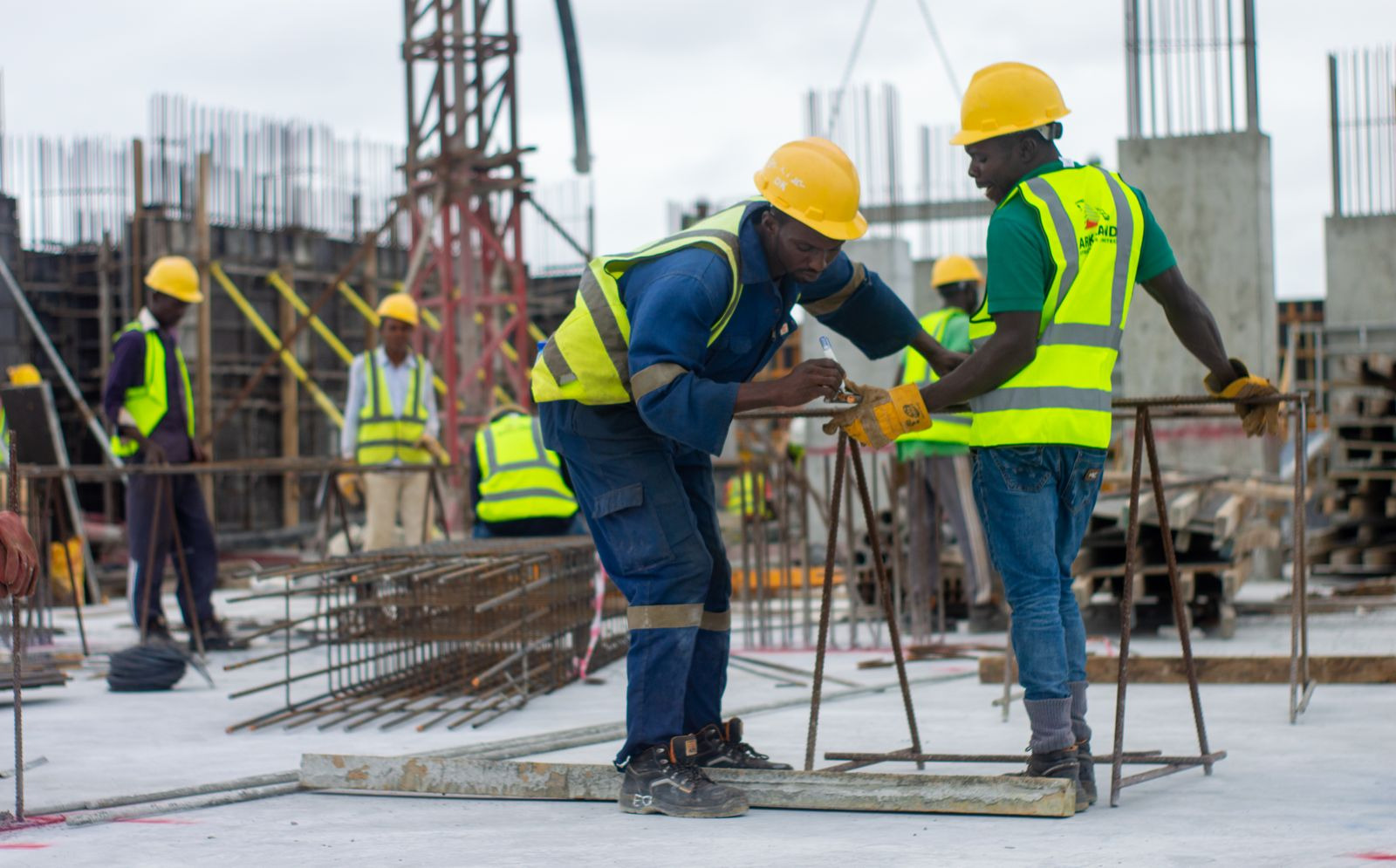
Opportunity to Receive Up to $42,000 for Relocating to the USA with the Construction Visa Program
Are you an experienced construction professional seeking new career prospects in the United States? Currently, the U.S. construction sector is grappling with a significant labor shortage, creating a strong demand for skilled workers from across the globe. In response, American employers have introduced attractive financial incentives and visa sponsorship opportunities to qualified foreign candidates. The U.S. Construction Visa Program offers eligible workers financial support up to $42,000, designed to help cover relocation costs, initial housing expenses, and other essential fees involved in moving abroad.
This initiative not only facilitates steady employment but also paves the way for legal residency and career growth within one of the world’s most substantial construction markets. This article will explore the U.S. Construction Visa Program comprehensively, detailing eligibility requirements, visa types, benefits, and providing a thorough step-by-step guide on how to apply.
Why the United States is Actively Recruiting Foreign Construction Workers
The surge in demand for construction labor in the U.S. stems from several interconnected factors. Rapid urbanization has accelerated the need for new infrastructure, while large-scale projects in transportation, healthcare, and energy sectors continue to require vast amounts of manpower. Simultaneously, there is a noticeable decline in domestic workers entering construction trades, as many Americans gravitate toward technology and service-oriented careers. To bridge this widening gap, both the federal government and private construction firms are actively recruiting international talent through visa sponsorship programs.
Key Drivers Behind the Growing Need for Construction Workers in the U.S.
- Infrastructure Development: Massive investments are underway in roads, bridges, educational institutions, hospitals, and renewable energy facilities. These projects demand a substantial number of skilled laborers to meet construction deadlines and quality standards.
- Aging Workforce: A significant portion of the current American construction workforce is reaching retirement age, leaving numerous vacancies that remain unfilled due to a lack of younger replacements.
- Housing Market Expansion: The booming demand for both residential and commercial real estate has created an urgent need for additional construction workers to keep pace with development.
- Shortage of Skilled Tradespeople: Trades such as electricians, plumbers, welders, and masons are particularly affected, as there are fewer locally trained professionals to meet industry demands.
For further insight, you may also be interested in Architectural Jobs In USA With Visa Sponsorship For Foreigners (Step-by-Step Guide).
According to projections from the U.S. Bureau of Labor Statistics, the construction industry is expected to experience an annual growth rate of around 4% through 2032. This steady expansion is anticipated to generate hundreds of thousands of new job opportunities, making it an excellent time for skilled foreign workers to explore employment in the U.S.
The Advantages of Participating in the U.S. Construction Visa Program
Foreign nationals who enter the U.S. construction workforce under this visa sponsorship initiative can take advantage of various benefits ranging from financial aid to career development and legal protections.
1. Financial Assistance Up to $42,000
Qualified applicants may receive considerable financial support to facilitate their relocation and initial settlement in the U.S. This assistance typically covers:
- Relocation costs including airfare, visa application fees, and legal processing expenses
- Temporary housing support, helping with rent for the first few months upon arrival
- Basic living expenses to ensure financial stability during the adjustment period
Such comprehensive support helps workers transition smoothly, allowing them to focus on their new roles without immediate financial stress.
2. Competitive Wages and Employment Security
Construction workers in the United States generally enjoy salaries that are competitive and often exceed what they might earn in their home countries. Annual earnings typically range between $50,000 and $80,000 depending on expertise, experience, and geographic location. Specialized trades like electricians, welders, and plumbers may command salaries exceeding $100,000 in certain high-demand states.
Workers have the flexibility to select employment locations based on factors such as wage potential, living costs, and availability of jobs. States such as California, Texas, New York, and Florida are known for offering some of the highest construction wages nationwide.
3. Employer-Sponsored Visa Process Assistance
Immigration procedures can be complicated and time-consuming. However, under this program, the burden of managing visa applications largely falls on the sponsoring employers. This arrangement ensures that foreign workers can legally enter, remain, and work in the U.S. without navigating the process alone.
For additional related opportunities, consider reviewing Nursing Assistant Jobs In USA For Foreigners With Visa Sponsorship.
4. Opportunities for Career Growth and Skills Development
Participation in the program grants access to advanced training modules, professional certification courses, and opportunities for promotion within construction firms. Many employers provide on-the-job training programs, enabling workers to develop new skills while earning competitive wages. Moreover, certifications acquired in the U.S. are widely recognized internationally, enhancing future employment prospects globally.
5. Comprehensive Health and Employment Benefits
Many construction companies in the U.S. offer robust benefits packages, which typically include:
- Health insurance covering medical, dental, and vision care
- Retirement savings plans such as pensions
- Paid vacation and sick leave
- Workers’ compensation insurance protecting against job-related injuries
These benefits contribute significantly to the overall financial security and well-being of workers and their families.
6. Pathway to Permanent Residency (Green Card)
For individuals seeking long-term residence in the United States, certain visa categories such as the EB-3 Skilled Worker Visa offer a direct route to obtaining a Green Card. This permanent residency status allows workers and their families to live and work indefinitely in the U.S., and eventually apply for citizenship if desired.
Eligibility Criteria for the U.S. Construction Visa Program
To be considered for a construction work visa in the U.S., applicants typically must satisfy the following requirements:
- Possess experience in skilled construction trades such as carpentry, electrical work, plumbing, masonry, welding, or roofing
- Hold vocational training certificates or relevant industry certifications (preferred but not mandatory)
- Demonstrate basic proficiency in English to ensure effective communication and safety compliance
- Pass a clean criminal background check and undergo a medical examination
- Have a formal job offer from a U.S. employer prepared to sponsor the visa application
- Meet the minimum age requirement, generally 18 years or older
- Be willing and able to relocate and adapt to working conditions in the United States
Types of Visas Available for Foreign Construction Workers
1. H-2B Temporary Non-Agricultural Work Visa
- Duration: Initially up to one year, with the possibility to extend up to three years
- Requirements: Must have employer sponsorship
- Ideal for: Workers seeking seasonal or short-term construction jobs
For additional examples of visa sponsorship opportunities, you might want to see Nanny Jobs In USA For Foreigners With Visa Sponsorship.
The H-2B visa is particularly suited for those aiming to gain U.S. construction experience on a temporary basis, with the possibility of renewal depending on employer needs.
2. EB-3 Skilled Worker Visa (Green Card Pathway)
- Duration: Leads to permanent residency (Green Card)
- Requirements: Employer sponsorship and labor certification process
- Ideal for: Individuals pursuing long-term career opportunities in the U.S. construction industry
The EB-3 visa is a valuable option for skilled foreign workers who want to establish permanent residency, allowing them to live and work indefinitely in the United States.
3. TN Visa (For Canadian and Mexican Workers)
- Duration: Valid for up to three years, with options for renewal
- Requirements: Must have a job offer in an approved construction trade
- Best suited for: Canadian and Mexican citizens under the USMCA (formerly NAFTA) agreement
How to Navigate the Application Process for a U.S. Construction Visa
Step-by-Step Guide:
1. Identify a Sponsoring Employer: Begin by researching and contacting U.S. construction companies that hire foreign workers and provide visa sponsorship.
2. Prepare and Submit Your Application: Update your resume to emphasize relevant construction skills, certifications, and work experience.
3. Obtain a Job Offer: Secure a formal employment offer letter from your prospective U.S. employer.
4. Visa Application Filing: Your employer will submit the necessary immigration paperwork, including labor certification if applicable.
5. Attend Visa Interview: Schedule and complete a visa interview at the nearest U.S. embassy or consulate.
6. Relocate and Begin Work: After receiving visa approval, move to the United States and start your employment.
Conclusion
Although there is no distinct program explicitly offering $42,000 solely for relocation to the U.S., the H-2B visa and related construction visa programs provide an excellent opportunity for skilled construction workers to earn competitive salaries and gain valuable international experience. By thoroughly understanding the eligibility criteria, visa options, and application procedures, foreign workers can leverage the current labor shortage in the U.S. construction sector to build rewarding careers and potentially secure permanent residency.