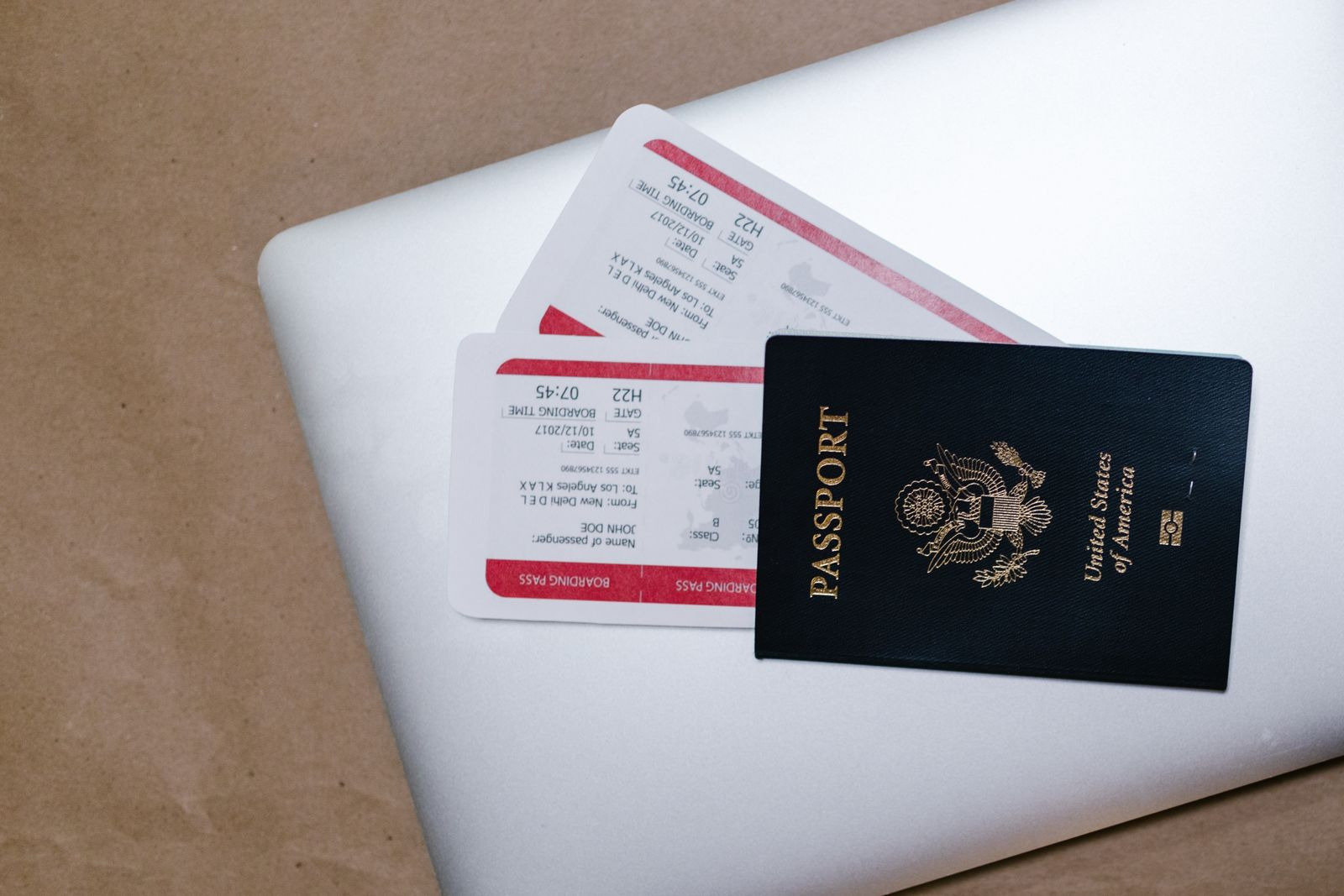
The United States has long been viewed as a beacon of opportunity, attracting individuals worldwide who seek to improve their lives through employment. While much attention is often given to visas for highly skilled professionals, there are also important pathways for unskilled workers to obtain jobs in the U.S. with employer-sponsored visas. These jobs, though they may not require advanced education or specialized training, play a vital role in several U.S. industries and can open doors to significant economic and personal advancement.
This detailed guide explores the landscape of unskilled jobs available with visa sponsorship in the United States. It covers the types of visas accessible to unskilled workers, the eligibility criteria for each, the application procedures, critical deadlines, and the advantages and challenges associated with working under these visa programs.
Defining Unskilled Jobs and the Concept of Visa Sponsorship
Unskilled jobs generally refer to positions that do not demand formal education credentials or in-depth training. Instead, these roles often rely on manual labor or basic operational tasks. They are crucial to sectors such as agriculture, hospitality, construction, and manufacturing, where demand for labor fluctuates due to seasonality or project-based work.
Visa sponsorship occurs when a U.S. employer agrees to hire a foreign worker and actively supports their visa petition. This sponsorship requires the employer to demonstrate that there are no qualified U.S. workers available to fill the position, justifying the need to hire from abroad. Sponsorship is a legal obligation and a critical step for the worker to obtain authorization to work in the U.S.
Visa Categories Suitable for Unskilled Workers
Several visa types accommodate unskilled workers seeking employment in the United States. The most frequently used visas for this purpose include:
1. H-2A Visa for Temporary Agricultural Workers
The H-2A visa program specifically targets seasonal agricultural labor needs. Many U.S. farms depend on foreign workers to plant, tend, harvest, and process crops during peak seasons when domestic labor is insufficient.
Key Characteristics of the H-2A Visa:
- It authorizes temporary employment for up to one year, with possible extensions in increments depending on the employer's needs.
- A valid job offer from a U.S.-based agricultural employer is mandatory.
- The employer must submit evidence to government agencies proving a shortage of domestic workers willing or able to perform the specified agricultural tasks.
Eligibility Criteria:
- No formal education or specialized training is necessary.
- Applicants must be capable of performing physically demanding manual labor.
- Employers are typically required to provide housing and transportation arrangements for workers to ensure safe and reliable access to the worksite.
2. H-2B Visa for Non-Agricultural Temporary Workers
The H-2B visa is designed to fill temporary or seasonal positions outside the agricultural sector. Common industries utilizing this visa include landscaping, hospitality services, construction projects, and various seasonal enterprises.
Important Features:
- The visa is valid for a maximum of one year, with the possibility of extensions based on employer needs and regulatory limits.
- There is an annual cap of 66,000 visas, divided into two allocation periods each year, which makes competition for these visas quite intense.
Eligibility Requirements:
- The employment must be genuinely temporary or seasonal in nature, not permanent.
- Employers must secure a temporary labor certification from the U.S. Department of Labor (DOL) to confirm the unavailability of qualified U.S. workers.
3. J-1 Visa under the Exchange Visitor Program
The J-1 visa primarily facilitates cultural exchange opportunities, but some of its programs allow participants to engage in unskilled work, especially in sectors like hospitality, summer camps, and other seasonal roles.
Key Points:
- The visa offers a temporary opportunity to work and travel in the United States, combining employment with cultural exposure.
- Participants must commit to returning to their home country after the completion of their program, as the visa does not provide a pathway to permanent residency.
4. EB-3 Visa for Employment-Based Permanent Residency of Unskilled Workers
The EB-3 visa is a long-term option that provides a pathway toward obtaining a U.S. Green Card for unskilled workers who have secured full-time, permanent employment offers from U.S. employers.
Notable Features:
- This visa leads to permanent residency, allowing holders to live and work indefinitely in the United States.
- The processing times are often lengthy, sometimes spanning several years, due to annual visa quotas and backlog issues.
Eligibility Requirements:
- A bona fide permanent job offer from a U.S. employer willing to sponsor the applicant is required.
- The employer must obtain a PERM labor certification, which involves proving that no qualified U.S. workers are available for the position.
Common Requirements for Visa Sponsorship in Unskilled Jobs
While specific requirements differ based on the visa category, certain fundamental criteria apply across most programs:
- Job Offer: The foreign worker must have a confirmed employment offer from a U.S. employer that is prepared to sponsor their visa application.
- Labor Certification: The employer must demonstrate that there are no qualified U.S. workers available to fill the position, ensuring the necessity of foreign labor.
- Passport Validity: The applicant’s passport must be valid for at least six months beyond the intended duration of stay in the U.S.
- Medical Examination: Some visa categories require applicants to undergo a medical exam to verify that they meet health standards.
- Proof of Intent to Return Home (for Non-Immigrant Visas): Applicants must often establish ties to their home country, such as family, property, or ongoing commitments, to prove they intend to depart the U.S. after their visa expires.
Detailed Application Process for Unskilled Worker Visas
Step 1: Secure a Sponsoring Employer
- Prospective workers must first find a U.S. employer willing to sponsor their visa petition. This is a critical initial step, as visa applications without employer sponsorship are generally not accepted for these categories.
- Typical industries offering such sponsorship include agriculture, hospitality, resorts, manufacturing plants, and seasonal businesses like landscaping or holiday-related services.
Step 2: Employer Obtains Labor Certification
- The sponsoring employer must file a labor certification petition with the U.S. Department of Labor. This process involves proving that there is a labor shortage or that no qualified U.S. workers are available for the job, justifying the need to hire foreign labor.
Step 3: Petition Submission to USCIS (Form I-129 for H-2A and H-2B)
- Upon approval of the labor certification, the employer submits Form I-129, Petition for a Nonimmigrant Worker, to U.S. Citizenship and Immigration Services (USCIS) for H-2A and H-2B visas.
Step 4: Visa Application by Worker (Form DS-160)
- After USCIS approves the petition, the foreign worker applies for the actual visa at a U.S. embassy or consulate abroad by completing the DS-160 online application form.
Step 5: Visa Interview
- The applicant attends an interview at the consulate or embassy. During the interview, applicants must demonstrate that they meet the visa eligibility requirements and have legitimate intent and qualifications for the position.
Step 6: Entry to the United States
- If the visa is granted, the worker may travel to the United States and commence employment according to the terms of their visa.
Important Deadlines and Processing Times
- H-2A and H-2B Visas: Employers should submit applications at least 60 to 90 days before the intended start date of work. This advance filing helps accommodate government processing times and allows for any necessary administrative steps.
- EB-3 Visa: Processing for the EB-3 visa category can take several years due to annual visa limits and backlog, requiring patience and careful planning by applicants.
Advantages of Working in Unskilled Jobs with Visa Sponsorship
- Legal Authorization to Work: Visa sponsorship grants workers the legal right to work in the United States, ensuring that wages and working conditions comply with U.S. labor laws.
- Pathway to Long-Term Residency: Certain visas, such as the EB-3, offer a route to permanent residency, allowing workers to establish a stable life in the U.S.
- Higher Earnings: Many unskilled workers earn wages in the U.S. that significantly exceed those in their home countries, providing an economic boost for themselves and their families.
- Opportunities for Career Advancement: While starting in unskilled roles, some workers gain experience and skills that enable them to transition into more skilled positions over time.
Potential Challenges and Important Considerations
- Limited Visa Availability: Particularly for H-2B visas, the annual numerical cap limits availability, which can make the process competitive and uncertain.
- Risk of Exploitation: Some foreign workers may face underpayment or poor working conditions. It is important to seek reputable employers and understand labor rights.
- Temporary Status: Many visas for unskilled workers are temporary and do not automatically lead to permanent residency, meaning workers must plan accordingly for their future.
Summary
Unskilled jobs with visa sponsorship in the United States provide critical opportunities for foreign nationals to work legally in vital industries such as agriculture, hospitality, and construction. Although the visa application and sponsorship process can be complex and time-consuming, understanding the various visa options, requirements, and procedural steps can empower applicants to navigate this system with confidence. Securing a sponsoring employer and fulfilling all legal requirements enables unskilled workers to earn competitive wages, gain valuable experience, and possibly build a long-term future in the United States.
For those interested in pursuing unskilled work visas, it is crucial to conduct thorough research, collaborate with trustworthy employers, and adhere strictly to immigration laws and procedures. With careful preparation and diligence, visa sponsorship for unskilled jobs can open the door to meaningful employment experiences and new opportunities in the United States.