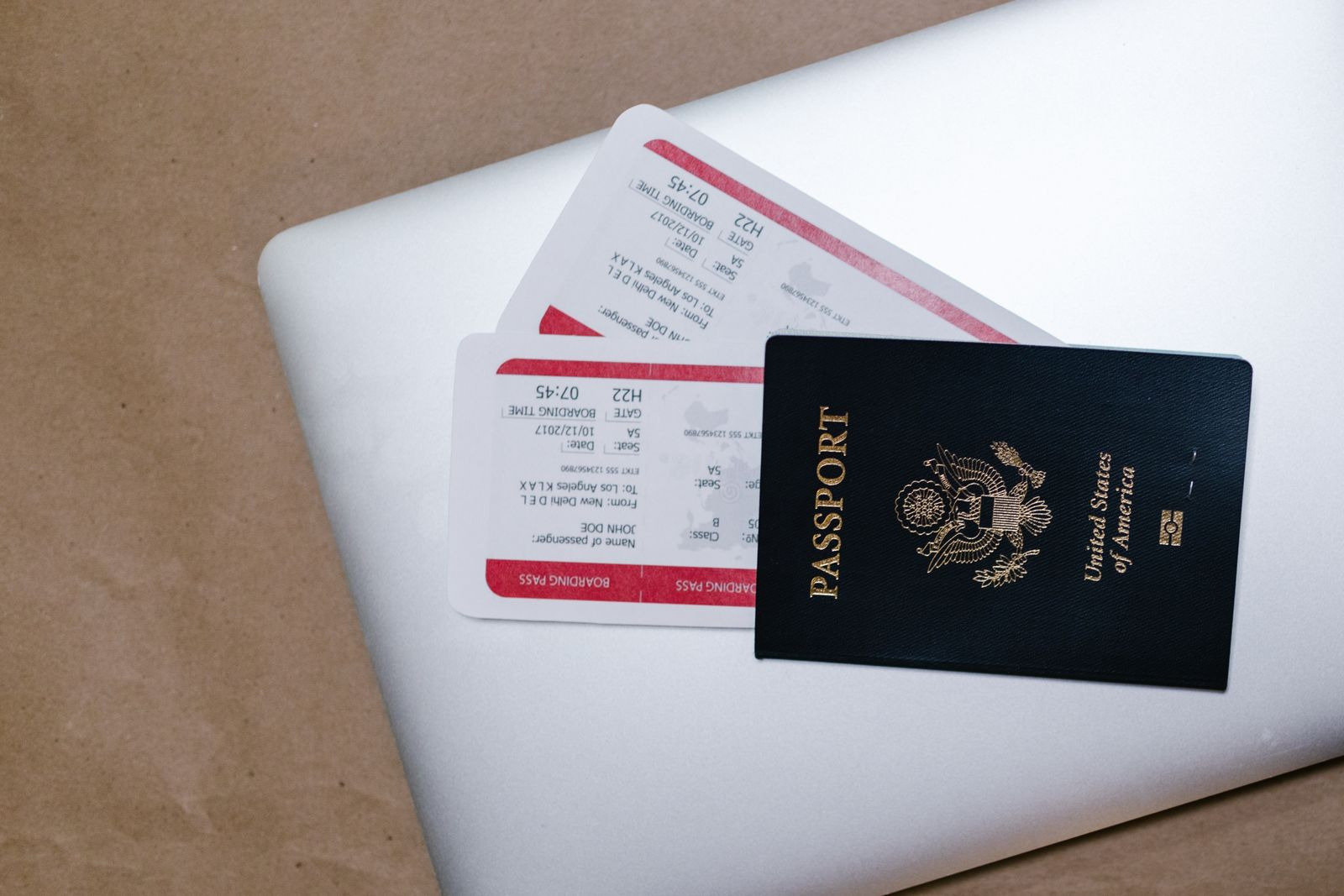
The United States continues to be a highly sought-after destination for both skilled and unskilled workers worldwide. Numerous job grant visa sponsorship opportunities exist for foreign nationals aiming to work in the U.S. This comprehensive guide explores the various visa categories, key industries offering sponsorship, eligibility criteria, the detailed application process, and the advantages that come with securing a U.S. job grant visa sponsorship.
Understanding U.S. Work Visa Sponsorship
U.S. work visa sponsorship is a process where an American employer formally petitions the United States Citizenship and Immigration Services (USCIS) on behalf of a foreign worker. The goal of this petition is to obtain legal authorization for the foreign national to be employed in the U.S. To qualify, the employer must provide evidence that there are no qualified U.S. workers available to fill the position and that the foreign applicant possesses the necessary qualifications and skills required for the role. Essentially, the employer acts as a sponsor, taking responsibility for supporting the foreign worker’s employment in the country.
Types of U.S. Work Visas That Require Sponsorship
1. H-1B Visa – Specialty Occupations
- Overview: This visa category is specifically designed for professionals working in specialized fields such as information technology, engineering, finance, and healthcare. It targets workers who have specialized knowledge and skills.
- Requirements:
- You must hold at least a bachelor’s degree or its equivalent in a specific specialty related to the job.
- A valid job offer from a U.S. employer who is willing to sponsor you.
- Validity: The H-1B visa is initially granted for up to three years but can be extended to a maximum of six years.
- Application Process:
- The sponsoring employer files Form I-129 with the USCIS to petition for the worker.
- This visa is subject to an annual cap, and when applications exceed the cap, a lottery system is used to select petitions.
2. L-1 Visa – Intra-Company Transfers
- Overview: The L-1 visa is intended for employees of multinational corporations who are being transferred to the U.S. offices of the same company.
- Requirements:
- The applicant must have worked for the company outside the U.S. for at least one continuous year within the last three years.
- The position in the U.S. should be that of an executive, manager, or an employee with specialised knowledge relevant to the company’s operations.
- Validity: The visa validity can be up to seven years for executives and managers, and up to five years for employees with specialised knowledge.
3. H-2B Visa – Temporary Non-Agricultural Workers
- Overview: This visa category is for foreign nationals seeking temporary or seasonal employment in non-agricultural sectors such as hospitality, tourism, and construction.
- Requirements:
- An offer for a temporary position is necessary.
- The employer must demonstrate that there is a shortage of available U.S. workers to fill the job.
- Validity: The visa is typically valid for up to one year, with the possibility of extensions depending on the employer’s needs and USCIS approval.
- Recent Update: To meet increased labor demands, USCIS has authorized additional H-2B visas for fiscal year 2025, expanding opportunities for temporary non-agricultural workers.
4. EB-3 Visa – Skilled, Professional, and Unskilled Workers
- Overview: The EB-3 is an employment-based immigrant visa that offers a pathway to permanent residency (green card) in the United States.
- Categories:
- Skilled Workers: Individuals whose jobs require at least two years of training or experience.
- Professionals: Applicants with a U.S. bachelor’s degree or its foreign equivalent working in positions that require such a degree.
- Unskilled Workers: Jobs that require less than two years of experience or training.
- Application Process:
- The sponsoring employer submits Form I-140 to USCIS on behalf of the worker.
- Obtaining labor certification from the U.S. Department of Labor is often necessary to certify that no qualified U.S. workers are available for the job.
In-Demand Job Sectors Offering Visa Sponsorship
Several key industries in the United States actively seek foreign talent and provide visa sponsorship opportunities. Understanding these sectors can help applicants target their job search more effectively.
1. Information Technology (IT) and Engineering
- Typical Roles: Software developers, data analysts, network engineers.
- Relevant Visas: H-1B and L-1 visas are common for these professions.
- Employers: Ranging from large multinational tech companies and startups to established engineering firms.
2. Healthcare
- Typical Roles: Registered nurses, physical therapists, medical technologists.
- Relevant Visas: H-1B for specialized positions and EB-3 for permanent residency pathways.
- Employers: Hospitals, clinics, long-term care facilities, and healthcare staffing agencies.
3. Education
- Typical Roles: School teachers, university professors, educational administrators.
- Relevant Visas: H-1B for specialty roles and J-1 visas for exchange visitor programs.
- Employers: Public and private schools, colleges, and universities.
4. Hospitality and Tourism
- Typical Roles: Hotel staff, restaurant employees, tour guides.
- Relevant Visas: H-2B visas for temporary or seasonal work.
- Employers: Hotels, resorts, travel agencies, and tourism companies.
5. Agriculture
- Typical Roles: Farm laborers, seasonal agricultural workers.
- Relevant Visas: H-2A visas are specifically for agricultural jobs.
- Employers: Farms, agricultural businesses, and related enterprises.
Step-by-Step Application Process for U.S. Job Grant Visa Sponsorship
The process for obtaining a U.S. job grant visa sponsorship involves careful coordination between the foreign applicant and the sponsoring U.S. employer. The following steps outline the typical path:
- Job Offer: First, the foreign worker must secure a job offer from a U.S. employer who is willing to sponsor the visa application.
- Employer Petition: The employer must file the appropriate petition with USCIS. For nonimmigrant visas such as H-1B or L-1, this usually involves submitting Form I-129. For immigrant visas like EB-3, Form I-140 is required.
- Labor Certification: Certain visa categories, especially employment-based immigrant visas like the EB-3, require the employer to obtain a labor certification from the Department of Labor. This certification verifies that hiring the foreign worker will not adversely affect U.S. workers and that there are no qualified U.S. applicants available for the position.
- Visa Application: Once USCIS approves the petition, the applicant can apply for the visa at a U.S. embassy or consulate in their home country. This step involves completing forms and submitting supporting documents.
- Interview and Approval: The final step is attending a visa interview at the embassy or consulate. A consular officer evaluates the application and, if all requirements are met, approves the visa for travel and employment in the United States.
Benefits of U.S. Job Grant Visa Sponsorship
- Legal Work Authorization: Visa sponsorship grants foreign workers the legal right to work in the United States, ensuring compliance with immigration laws.
- Pathway to Permanent Residency: Some visa categories, such as the EB-3, provide a route to obtaining a green card, allowing the worker to live and work permanently in the U.S.
- Family Inclusion: Many visa types permit the primary visa holder to bring their spouse and dependent children, who may also obtain legal status and, in some cases, work authorization.
- Career Advancement: Working in the U.S. can offer valuable international experience, exposure to advanced technologies and industries, and opportunities to advance one's professional career.