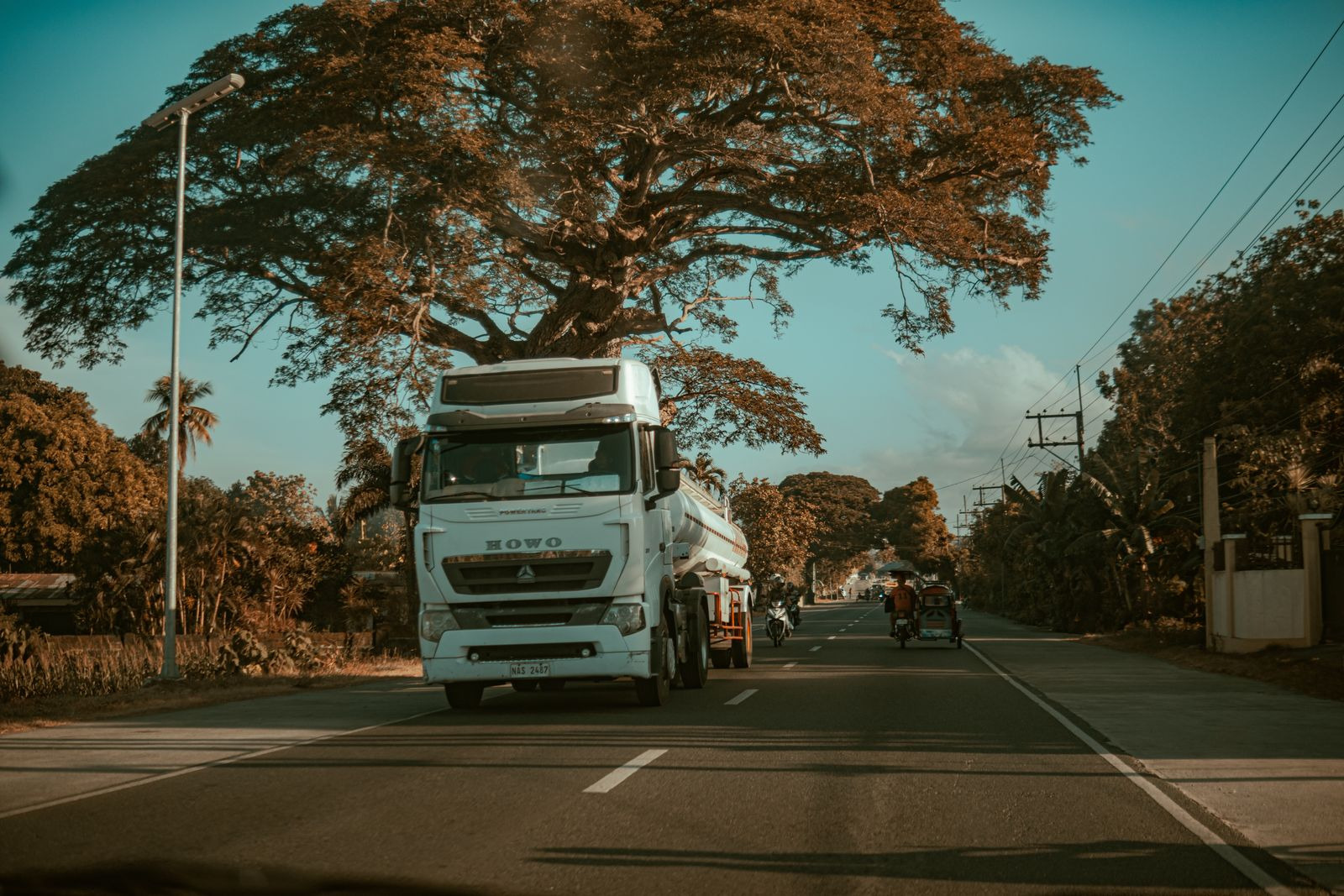
The trucking industry holds a fundamental position within the economic framework of the United States, serving as an indispensable component of the country's extensive freight transportation network. Given the vast geographical expanse of the nation, efficient and dependable freight movement is critical, and trucking fulfills this role by delivering a wide array of goods-from items used by consumers every day to industrial raw materials-across long distances. It is estimated that trucks handle over 70% of the total freight tonnage transported domestically, underscoring the essential role truck drivers play not only in supporting commerce but also in sustaining society's daily functioning.
Currently, the demand for skilled truck drivers in the U.S. is on an upward trajectory. This growth is fueled by multiple factors, including the surge in e-commerce activities, evolving consumer buying habits, and a persistent shortage of qualified drivers. Many companies within the trucking sector are actively recruiting individuals interested in pursuing this career due to the appealing compensation and comprehensive benefits packages that are often offered. The industry encompasses a broad spectrum of job roles, ranging from long-haul and regional driving assignments to local deliveries and specialized freight transportation. Each job category has its own unique responsibilities and qualification requirements, thereby accommodating a wide range of driver skills, experience levels, and preferences.
To successfully pursue a truck driving career in the United States, prospective drivers must satisfy several important prerequisites. Foremost among these is the acquisition of a Commercial Driver’s License (CDL), which entails passing both theoretical (written) and practical (driving) examinations. Additionally, candidates must comply with rigorous health and safety standards, including mandatory drug testing and maintaining a clean driving record free from serious infractions. Certain employers may also require applicants to hold supplemental certifications, especially when dealing with specialized freight such as hazardous materials. Thus, becoming a professional truck driver demands a strong commitment to safety, ongoing education, and adaptability to evolving industry regulations.
Understanding Visa Sponsorship
Visa sponsorship is a critical mechanism enabling foreign nationals to obtain legal employment status in the United States, particularly in sectors like trucking where labor shortages are acute. Essentially, visa sponsorship involves a U.S.-based employer agreeing to support a foreign worker's application for a work visa, thereby allowing the individual to live and work in the country legally. This process is fundamental in bridging the gap between demand for skilled labor and the available domestic workforce.
Several types of work visas exist for foreign workers, each designed with specific eligibility requirements and durations in mind. Among these, the H-2B visa is widely utilized in the trucking industry. It permits U.S. employers to hire foreign workers for temporary or seasonal non-agricultural positions, including truck driving jobs that may be tied to fluctuating demand. Another visa category sometimes relevant is the H-1B visa, intended for specialty occupations requiring advanced knowledge or degrees; however, it is less frequently applicable for truck drivers. For foreign applicants, understanding which visa type aligns best with their circumstances and qualifications is essential for a successful application.
The visa sponsorship process generally begins when an employer identifies a foreign candidate suitable for employment. The employer must then submit a formal petition to the U.S. Citizenship and Immigration Services (USCIS), detailing the job requirements and the candidate's qualifications, and justifying the need to hire a foreign worker. Upon approval of this petition, the candidate can proceed to apply for the visa at a designated U.S. consulate or embassy in their home country.
Both employers and employees share responsibilities throughout this process. Employers are required to adhere strictly to regulatory frameworks governing sponsorship, providing necessary documentation and assistance to the worker. Foreign employees must ensure that they meet all visa eligibility criteria and comply with the terms of their employment and stay in the U.S. Effective communication and mutual understanding between both parties are paramount to achieving a smooth and successful sponsorship experience.
Types of Truck Driving Jobs That Offer Visa Sponsorship
When considering truck driving jobs that provide visa sponsorship, it is important to recognize the diversity of roles within the industry. Various positions cater to different levels of experience, skill sets, and preferences, thereby offering multiple pathways for international drivers seeking employment in the U.S.
Long-haul trucking is one of the most prominent sectors offering visa sponsorship. These roles involve transporting freight over long distances, often spanning multiple states or even coast-to-coast routes. Drivers in this category require advanced skills in managing logistics, navigating diverse road and weather conditions, and complying with federal regulations related to hours of service and safety. Employers typically seek drivers who hold a valid CDL and possess substantial experience, making long-haul trucking a prime area for foreign workers to enter through visa sponsorship.
Regional and local truck driving roles present another important segment of the industry. Regional drivers usually operate within specific states or multi-state areas, balancing longer routes than local drivers but shorter than long-haul counterparts. Local drivers often work within a confined geographical area, typically returning home daily, which is attractive to those preferring less time away from family. Though these positions may involve shorter driving distances, they require quick adaptability to varying schedules and traffic scenarios. Both regional and local driving jobs frequently provide opportunities for visa sponsorship, especially for drivers beginning their careers in the U.S.
Specialized trucking jobs form a distinct category focused on transporting particular types of cargo that demand specialized training and certifications. Examples include hauling hazardous materials, oversized or overweight loads, refrigerated goods, or high-value items. Drivers in these roles must obtain endorsements beyond the standard CDL and demonstrate comprehensive knowledge of safety protocols and regulatory compliance. Due to the specialized nature of these jobs, pay tends to be higher, and companies offering such positions often sponsor visas to attract qualified foreign workers.
In summary, the U.S. trucking job market is multifaceted, encompassing long-haul, regional, local, and specialized driving positions, all of which present potential visa sponsorship opportunities. This variety enables international drivers to find roles matching their experience and aspirations within the vibrant American trucking sector.
Requirements for Foreign Truck Drivers
Foreign nationals aspiring to become truck drivers in the United States must satisfy a series of requirements designed to ensure safety, competence, and legal compliance. The foremost requirement is obtaining a valid Commercial Driver’s License (CDL), which authorizes the operation of large commercial vehicles. The CDL acquisition process involves successfully passing both written knowledge tests and a practical skills examination, including vehicle inspection, basic control skills, and on-road driving assessments.
Prospective foreign drivers must understand that CDL requirements and licensing procedures can vary significantly from one state to another. Therefore, it is imperative to research the specific regulations and testing protocols of the state in which they intend to work. Some states may have additional prerequisites, such as medical certification or background checks, which must be fulfilled before licensing.
Language proficiency, particularly in English, is another critical factor. Effective communication is essential for interacting with dispatchers, law enforcement, customers, and fellow drivers, as well as for understanding road signs and safety instructions. Many employers mandate a demonstrable level of English proficiency, which may be assessed through interviews or standardized testing. Strong language skills contribute to safer operations and smoother workplace integration.
Driving experience also plays a substantial role in eligibility and employability. Many employers prefer candidates who have accumulated a minimum number of years of commercial driving experience, which varies according to company policies and the specific job. Foreign applicants should be prepared to provide verifiable documentation of their driving history, including previous licenses and records of commercial vehicle operation, to enhance their competitiveness during recruitment.
Certain trucking roles require additional endorsements or certifications. For example, transporting hazardous materials mandates a Hazardous Materials (HazMat) endorsement, which involves background checks and specialized training. Similarly, driving oversized or overweight loads requires a separate endorsement and familiarity with unique safety standards. Understanding and obtaining the necessary licenses and endorsements is essential for foreign drivers targeting specialized positions.
Finding Job Opportunities in the USA
Locating truck driver job openings in the United States that include visa sponsorship can be a challenging yet manageable process, especially when employing effective strategies and leveraging available resources.
Online job search platforms such as Indeed, Glassdoor, and Monster provide extensive listings of truck driving positions. Utilizing search filters and keywords like "visa sponsorship" can help narrow down relevant opportunities. These platforms often allow job seekers to set up alerts for new postings matching their criteria, facilitating proactive application management.
Networking is a valuable tool within the trucking community. Professional social media sites like LinkedIn enable foreign drivers to connect with industry professionals, join specialized groups, and stay informed about job openings and company sponsorship policies. Building relationships with experienced drivers and recruiters can provide insider knowledge and referrals, significantly improving chances of securing sponsorship.
Recruitment agencies specializing in transportation placements also serve as important intermediaries. Such agencies typically have established connections with trucking firms actively seeking drivers eligible for visa sponsorship. Candidates should research and select agencies with a strong track record in placing foreign drivers to ensure reliable and ethical assistance.
Participating in industry-specific job fairs and career expos offers additional opportunities to meet employers directly. These events allow candidates to present their qualifications in person, ask questions about visa sponsorship, and establish professional rapport with hiring managers. Additionally, many trucking companies maintain career sections on their websites where applicants can submit direct applications, which may be viewed favorably by employers seeking motivated candidates.
Application Process for Truck Driver Jobs
Applying for truck driver positions in the United States that offer visa sponsorship requires a methodical and well-prepared approach to maximize the likelihood of success.
The initial step is crafting a detailed and tailored resume. It should prominently feature relevant driving experience, CDL credentials, endorsements, and any special skills such as knowledge of logistics software or experience handling specific types of freight. Incorporating keywords pertinent to the trucking industry can improve the resume’s visibility in applicant tracking systems (ATS) used by many companies.
Preparing for interviews is equally important. Candidates should familiarize themselves with typical interview questions for truck drivers, including those related to safety practices, problem-solving on the road, and compliance with regulations. Researching the prospective employer’s operations, mission, and values will enable applicants to tailor their responses and demonstrate genuine interest. Practicing answers with peers or mentors can enhance confidence and communication effectiveness during the actual interview.
Document preparation is a vital part of the application process. Candidates must ensure possession of a valid CDL and any necessary endorsements or certifications. Additionally, applicants seeking visa sponsorship need to compile supporting documents such as employment history records, driving abstracts, medical certifications, and any relevant training certificates. Well-organized documentation demonstrates professionalism and facilitates the visa petition process.
When attending in-person interviews or meetings, presenting oneself professionally through appropriate attire, punctuality, and courteous behavior can positively influence hiring decisions. Demonstrating strong communication skills and a proactive attitude further enhances a candidate’s appeal.
Challenges Faced by Foreign Truck Drivers
Foreign truck drivers relocating to the United States confront numerous challenges that extend beyond the technical aspects of the job. A major obstacle is adapting to cultural differences. Adjusting to a new social environment, workplace customs, and communication styles can be daunting. Drivers may experience feelings of isolation or encounter misunderstandings due to differing norms in professional interactions. Awareness of regional cultural variations within the U.S. trucking community is also important, as trust and relationships play a significant role in this industry.
Another significant challenge pertains to navigating the complex regulatory environment. The U.S. transportation sector operates under stringent federal and state laws that can vary widely. These include licensing standards, hours of service limits, vehicle maintenance requirements, and safety regulations. Foreign drivers must invest time and effort to comprehend and comply with these laws to avoid violations and ensure safe operations. While many employers provide training and resources to assist new drivers, mastering the regulatory landscape remains a substantial hurdle.
Language barriers present an additional difficulty. Proficiency in English is critical for reading and understanding road signs, communicating with dispatch and law enforcement, and responding to emergencies. Limited English skills can hinder job performance and increase safety risks. To address this, some organizations offer specialized English language training tailored for truck drivers, helping foreign workers improve their communication abilities and confidence on the road.
Despite these challenges, many foreign truck drivers successfully overcome obstacles through perseverance, support networks, and access to resources, ultimately establishing fulfilling careers within the U.S. trucking industry.
Success Stories from Foreign Truck Drivers
Numerous foreign truck drivers have successfully navigated the complexities of obtaining employment in the United States with visa sponsorship, leading to rewarding and sustainable careers.
One inspiring example is Maria, originally from Mexico, who moved to the U.S. three years ago to pursue truck driving. She initially faced challenges including language barriers and understanding visa requirements. With dedication and assistance from a supportive employer, Maria secured an H-2B visa, which enabled her to legally work as a commercial driver. Through perseverance, she adapted to the industry’s demands, gained valuable experience, and found satisfaction in her role, appreciating both the financial benefits and personal growth opportunities the job provided. Maria’s journey illustrates how the trucking profession can serve as a pathway for individuals from diverse backgrounds to realize their aspirations in the United States.
Another notable success story is Ahmed, who emigrated from Syria with ambitions of becoming a commercial truck driver. He participated in a comprehensive training program sponsored by his employer, learning to navigate U.S. highways and manage various cargo types safely. Ahmed’s commitment and resilience enabled him to secure a long-term position with a reputable trucking company, supported by visa sponsorship. His experience highlights the importance of employer-facilitated training and mentorship in helping foreign drivers integrate and succeed.
These stories exemplify the opportunities available within the trucking industry for foreign drivers. Successful visa sponsorship not only transforms individual lives but also contributes to the diversity and strength of the logistics sector. As more international applicants consider this career path, narratives like those of Maria and Ahmed serve as powerful motivation for others seeking to embark on similar journeys.
Conclusion and Future Outlook for Truck Driving Jobs in the USA
Reflecting on the comprehensive information presented about USA truck driver jobs with visa sponsorship, it is clear that the trucking industry remains a critical foundation of the American economy. The increasing demand for dependable freight transportation services has created abundant opportunities for foreign workers to enter this field. Visa sponsorship plays a pivotal role in facilitating access for qualified international drivers, helping to alleviate persistent labor shortages within the sector.
This guide has explored essential aspects such as the regulatory environment surrounding visa sponsorship, key qualifications required for foreign drivers, and the financial and professional benefits associated with trucking careers in the U.S. These insights highlight a dynamic and promising landscape for individuals willing to commit to the profession despite its inherent challenges.
Looking ahead, technological advancements are set to significantly influence the trucking industry. Innovations in automation, digital logistics, and vehicle telematics promise to transform operational practices. While some express concerns that automation could reduce driving jobs, it is also anticipated that these technologies will create new roles requiring skilled operators proficient in managing advanced systems. Furthermore, evolving regulations focused on enhancing safety and reducing environmental impact will necessitate continual adaptation among drivers and employers alike.
The sustained growth of e-commerce and increasing complexity of supply chains ensure robust demand for truck drivers will continue. Consequently, companies are likely to maintain and expand visa sponsorship programs to attract skilled foreign labor amid domestic driver shortages. This evolving environment offers both challenges and significant opportunities for aspiring truck drivers seeking to build successful careers within the United States.