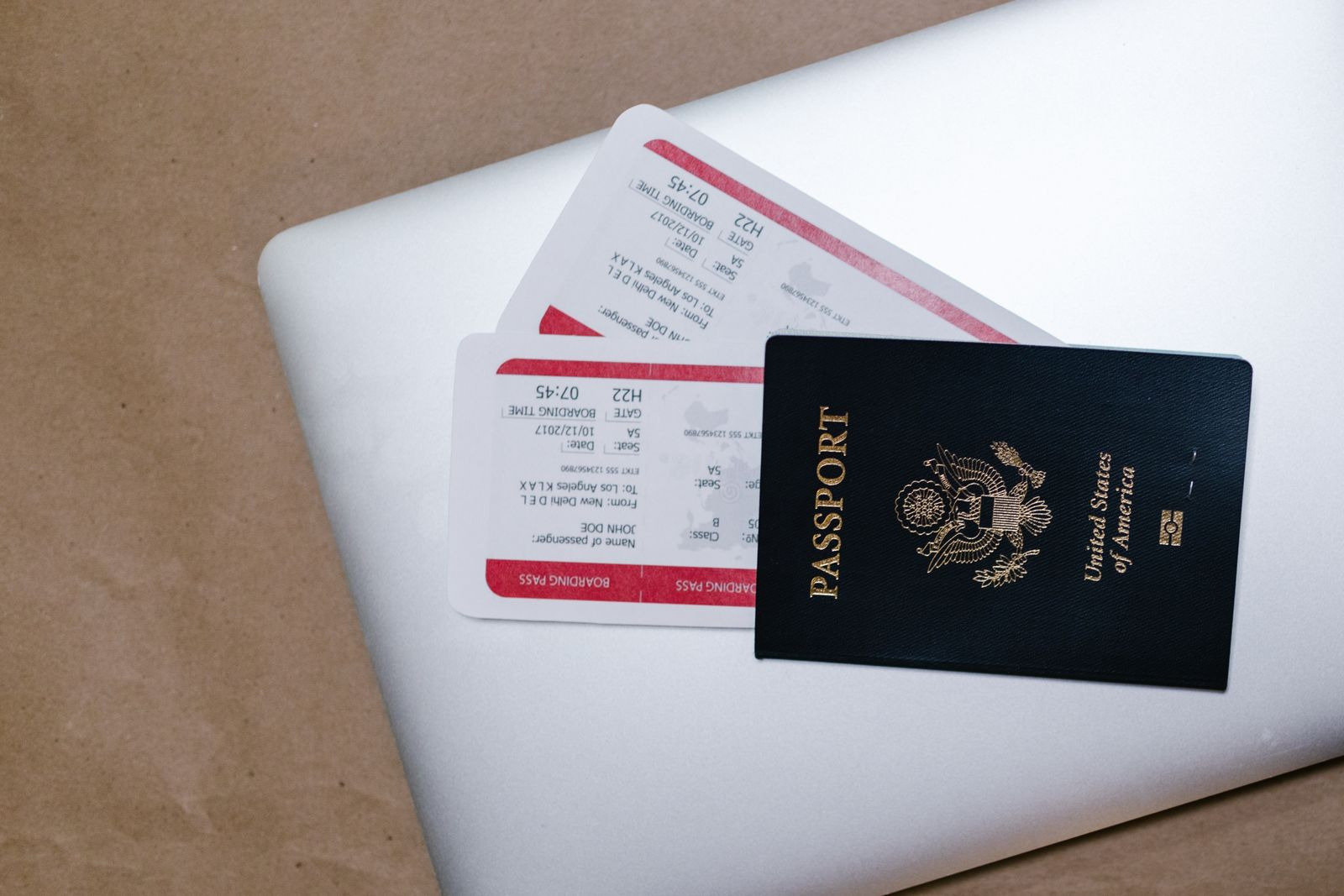
Securing employment in the United States is a significant aspiration for many international professionals. However, the key obstacle often encountered is obtaining the appropriate legal authorization to work. Visa-sponsored jobs serve as an essential pathway, allowing foreign workers to gain lawful work status in the U.S. while advancing their careers.
This comprehensive guide explores the concept of visa sponsorship, highlighting the opportunities available, the eligibility criteria, and the common challenges international workers face when seeking employment in the United States.
Understanding Visa Sponsored Jobs
Visa-sponsored jobs refer to positions where an American employer commits to supporting a foreign worker’s application for a work visa. This sponsorship means the employer takes responsibility for ensuring the candidate meets the legal requirements to work in the U.S., often by managing the visa process and covering associated costs.
Such sponsorship is beneficial to international professionals because it not only grants them legal work authorization but also opens doors to competitive and well-paying roles that might otherwise be inaccessible. Industries including technology, healthcare, education, and engineering regularly offer visa sponsorship, as these sectors frequently face shortages of qualified domestic workers and actively seek skilled international talent.
Types of Visas Commonly Used for Sponsored Jobs in the U.S.
H-1B Visa
The H-1B visa is one of the most popular and widely used visas for foreign professionals, particularly in areas such as information technology, engineering, finance, and other specialized fields. Employers must submit a formal petition demonstrating that the job requires specialized knowledge and that the candidate possesses the necessary qualifications. This visa is subject to an annual cap, making the application process competitive.
L-1 Visa
The L-1 visa caters to intracompany transferees, allowing multinational corporations to relocate employees from foreign offices to their American branches. It is frequently utilized by technology firms and consulting companies seeking to transfer managers, executives, or employees with specialized knowledge to U.S. locations.
O-1 Visa
The O-1 visa is designated for individuals who demonstrate extraordinary ability or achievement in their field, including arts, sciences, education, or business. Applicants must provide substantial evidence of their accomplishments, such as awards, published work, or other recognized honors, to qualify for this specialized visa category.
Additional Employment-Based Visas
- EB-2 and EB-3 Visas: These are employment-based immigrant visas for professionals who hold advanced degrees or possess exceptional abilities in their fields. They often lead to permanent residency (green card) but require labor certification and employer sponsorship.
- TN Visa: This visa is exclusive to Canadian and Mexican citizens under the United States-Mexico-Canada Agreement (USMCA). It permits qualified professionals from these countries to work in the U.S. in designated occupations without the need for labor certification.
Key Industries Offering Visa Sponsored Employment
Technology Sector
Leading tech companies such as Google, Amazon, and Microsoft consistently seek international professionals to fill roles in software development, data science, cybersecurity, and other high-demand specialties. The rapid pace of innovation and skill shortages make visa sponsorship an important tool for these companies to remain competitive.
Healthcare Industry
The United States is experiencing a growing need for healthcare workers, including doctors, nurses, medical researchers, and allied health professionals. Visa sponsorship is commonly offered to qualified candidates to address workforce gaps in hospitals, clinics, and research facilities.
Education and Research
Universities and academic institutions frequently sponsor visas for foreign faculty members, researchers, and scholars, especially those with expertise in specialized or emerging fields. These roles often involve teaching, conducting research, or contributing to academic development.
Engineering Fields
From civil and mechanical engineering to aerospace and electrical engineering, American companies actively recruit skilled engineers worldwide. Visa sponsorship enables these employers to secure top talent to work on critical infrastructure projects, product development, and innovation.
Essential Requirements for Obtaining a Visa Sponsored Job
Educational Credentials
Most visa sponsorships require candidates to hold relevant degrees, certifications, or licenses that directly correspond to the job’s specialization. These qualifications validate the applicant’s expertise and make them eligible for specialized roles.
Work Experience
Employers typically prefer candidates who bring prior professional experience, which demonstrates practical skills and readiness to contribute immediately. Experience also strengthens the visa application by proving the candidate’s suitability for the position.
Employer Responsibilities in Visa Sponsorship
U.S. employers must demonstrate that hiring a foreign worker will not adversely affect the job opportunities, wages, or working conditions of American workers. This often involves submitting labor condition applications or labor certifications to the Department of Labor. Employers also manage the visa application paperwork and may cover related fees and legal expenses.
Strategies to Locate Visa Sponsored Jobs in the USA
Utilizing Online Job Platforms
Popular websites such as LinkedIn, Indeed, and Glassdoor regularly feature listings from employers willing to sponsor visas. Job seekers can use specific filters or keywords to target opportunities that mention sponsorship explicitly.
Building Professional Networks
Engaging in job fairs, industry conferences, and social media groups allows international workers to connect with employers and recruiters who offer visa sponsorship. Networking increases visibility and uncovers opportunities that may not be advertised publicly.
Working with Recruitment Agencies
Specialized recruitment firms focus on assisting international professionals by matching them with employers ready to sponsor visas and guiding them through the complexities of the visa process.
Step-by-Step Application Process for Visa Sponsored Employment
Crafting a Targeted Resume
Applicants should emphasize relevant skills, qualifications, and experience that align with the job description. It is also advisable to clearly state their willingness and need for visa sponsorship to avoid misunderstandings.
Writing an Effective Cover Letter
The cover letter should articulate why the candidate is an ideal fit for the role, highlighting unique strengths and career achievements. Transparent communication regarding visa sponsorship needs fosters trust and clarity with potential employers.
Preparing for Interviews
During interviews, candidates should be ready to discuss their professional background in detail and confidently explain their visa requirements. Demonstrating professionalism and knowledge about the visa process can reassure employers of the candidate’s commitment.
Common Challenges Faced by International Workers
Visa Restrictions and Limitations
Work visas often come with specific conditions, such as being tied to a particular employer, job role, or geographic location. These constraints can limit flexibility. Additionally, visa renewals and extensions may involve complex procedures and waiting periods.
Adjusting to Cultural and Workplace Norms
Adapting to the distinct culture and work environment in the U.S. can be a significant adjustment for international workers. Learning about American workplace etiquette, communication styles, and organizational expectations can greatly ease the transition and improve job performance.
Tips for Successfully Securing Visa Sponsored Jobs
- Conduct thorough research to identify companies with a history of sponsoring visas.
- Stay informed about changes in U.S. immigration laws and visa policies to anticipate impacts on sponsorship opportunities.
- Emphasize unique skills and experiences that differentiate you from other applicants.
Emerging Trends in Visa Sponsored Employment
As U.S. immigration policies evolve and the demand for skilled labor grows, sectors like technology, healthcare, and engineering are expected to increase visa sponsorships. This trend reflects the ongoing need for global talent to maintain the country's competitive edge and support economic growth.
Visa-sponsored jobs offer a valuable opportunity for international workers to pursue their professional goals in the United States. Although navigating the application and sponsorship process requires dedication and patience, the potential career growth and experience gained make it a worthwhile endeavor.
If you are a qualified professional aiming to work in the U.S., begin your search today by exploring sponsorship opportunities and preparing your applications carefully to turn your ambitions into reality.
Frequently Asked Questions (FAQs)
- What is the most common visa for sponsored jobs in the USA?
The H-1B visa is the most frequently used visa, especially prevalent among technology and engineering positions. - Can small companies sponsor work visas?
Yes, small companies can sponsor work visas provided they can demonstrate the need for specialized skills and comply with legal sponsorship requirements. - How long does the visa sponsorship process usually take?
The duration varies by visa type and government processing times but typically spans several months from application to approval. - Is a job offer required before applying for a work visa?
Yes, most employment-based visas necessitate having a valid job offer from a U.S. employer before the visa petition can be filed. - Are visa-sponsored jobs permanent?
Not always. Many visa categories are temporary, though some can provide a pathway to permanent residency depending on the visa and individual circumstances.