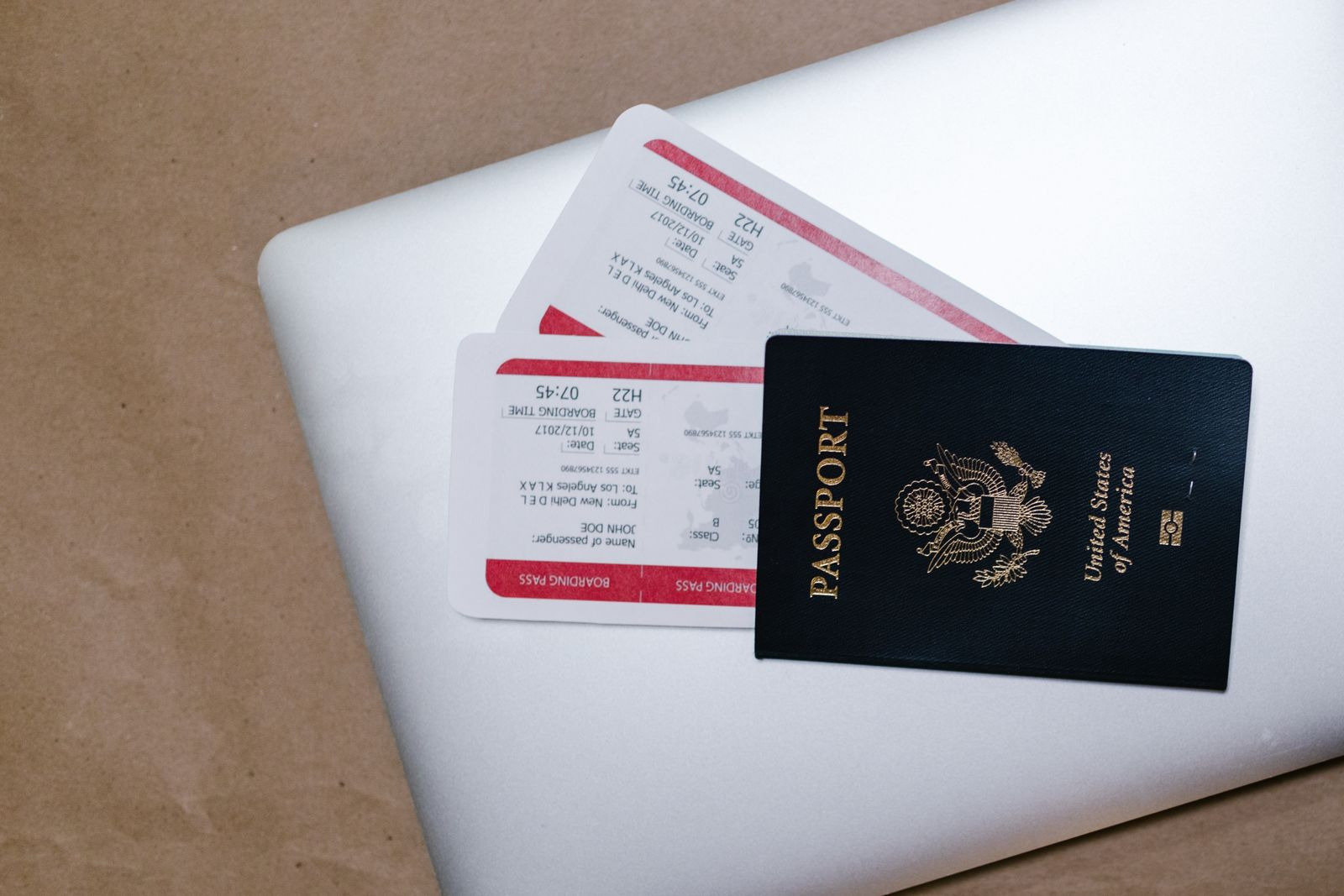
The 2025 WHO Jobs In USA For Foreigners With Visa Sponsorship Program stands as a significant collaborative initiative between the World Health Organization (WHO) and various U.S. employers. The purpose of this program is to address pressing shortages in the public health workforce, medical research, and healthcare delivery systems across the United States. By combining WHO’s global expertise with the established U.S. visa mechanisms, the program facilitates the recruitment of international professionals into critical roles that support public health infrastructure on multiple levels.
This initiative offers a comprehensive package including visa sponsorship, competitive salary structures, and extensive support systems designed to help foreign professionals integrate smoothly into U.S. workplaces. A notable feature of the program is the provision of a $30,000 financial sponsorship. This lump sum is intended to cover essential expenses such as visa application fees, relocation costs, and partial living expenses upon arrival. The program’s focus for the 2025 recruitment cycle emphasizes filling vacancies in high-demand sectors such as epidemiology, healthcare management, and emergency response.
For those interested in related opportunities, consider exploring Nursing Assistant Jobs In USA For Foreigners With Visa Sponsorship, which also detail similar pathways into the U.S. healthcare workforce.
Key Features of the 2025 WHO Visa Sponsorship Program
- Financial Sponsorship: A $30,000 lump sum granted to cover visa-related fees, relocation, and initial living costs.
- Visa Pathways: Primarily utilizes J-1 exchange visitor and H-1B specialty occupation visas to facilitate employment.
- Focus Areas: Targeted sectors include pandemic preparedness, efforts to promote health equity, and innovative medical research.
Available Positions Under the Program
The 2025 program targets professionals possessing advanced skills and qualifications in fields that align closely with global health priorities. The primary job categories include:
- Public Health Management: Positions such as epidemiologists, health policy analysts, and disaster response coordinators who contribute to managing and improving public health systems.
- Medical Research: Roles involving infectious disease research, vaccine development, and conducting clinical trials to advance medical knowledge and interventions.
- Healthcare Delivery: Nurses, physicians, and medical specialists who are prepared to work in underserved communities or regions facing healthcare shortages.
- Health Technology: Experts in emerging fields like artificial intelligence-driven diagnostics, health informatics, and telemedicine technologies that enhance healthcare accessibility and quality.
The participating employers are typically academic institutions, research centers, hospitals, and non-governmental organizations collaborating with WHO. Job vacancies are published on the WHO’s official career portal as well as partner platforms, with an emphasis on positions requiring advanced degrees such as a master’s or doctorate, alongside specialized experience and skills.
Additional job opportunities with visa sponsorship are also available in other sectors. For more information, see Domestic Jobs in the USA with Visa Sponsorship.
Understanding Visa Sponsorship in This Program
Visa sponsorship is a fundamental component of this initiative. It involves a U.S. employer formally petitioning on behalf of a foreign professional to secure legal authorization for employment in the United States. The process includes several important stages:
- Labor Certification: Employers must demonstrate to the U.S. Department of Labor through the PERM process that no qualified U.S. workers are available for the position, ensuring the role genuinely requires foreign expertise.
- Petition Filing: The employer submits the necessary immigration forms, such as Form I-129 for H-1B visa applicants or the DS-2019 form for J-1 visa candidates, to the United States Citizenship and Immigration Services (USCIS) or the Department of State.
- Visa Application: Once the petition is approved, the foreign applicant must attend a consular interview at a U.S. embassy or consulate, provide biometric data, and complete all required security and health clearances.
The program enforces a minimum salary requirement of $30,000 to comply with U.S. wage standards, although actual salaries often exceed this threshold depending on the job location and visa type.
Common Visa Categories Used
The program primarily utilizes several established U.S. visa categories that accommodate different professional profiles:
- H-1B Visa: Designed for specialized occupations requiring at least a bachelor’s degree. Employers such as universities and non-profits are often exempt from the annual cap and lottery system, facilitating smoother sponsorship.
- J-1 Exchange Visitor Program: Provides training and research opportunities with a typical two-year home residency requirement after program completion, promoting cultural and professional exchange.
- O-1 Visa: Reserved for individuals who demonstrate extraordinary ability in the sciences, arts, or other fields, allowing for recognition of exceptional talent.
- TN Visa: Available to Canadian and Mexican citizens under the United States-Mexico-Canada Agreement (USMCA), enabling expedited work authorization in specific professional roles.
Each visa type has unique eligibility criteria, validity periods, and processing timelines. For example, the H-1B visa is initially valid for three years, with the possibility of a three-year extension, while the J-1 visa’s duration varies based on the specific exchange program.
Working with Immigration Attorneys
Because U.S. immigration law is complex and subject to frequent changes, applicants and employers often benefit from the guidance of experienced immigration attorneys or visa lawyers. These professionals assist with:
- Document Preparation: Ensuring all immigration forms, such as I-129 and DS-160, are completed accurately and submitted promptly to avoid delays or denials.
- Compliance Advice: Helping applicants maintain their visa status throughout their stay and advising on how to respond to Requests for Evidence (RFEs) issued by immigration authorities.
- Appeals and Legal Representation: Providing support in the event of a visa denial or audit, including filing appeals and representing applicants in hearings.
Qualified immigration attorneys can be found through resources such as the American Immigration Lawyers Association (AILA) directory, which lists reputable professionals specializing in employment-based immigration.
Compensation, Benefits, and Employment Protections
Participants in the program receive a comprehensive employment package, including:
- Salary: A minimum annual salary of $30,000, with many specialized roles offering significantly higher pay. For instance, medical researchers and epidemiologists may earn salaries exceeding $70,000 depending on experience and location.
- Health Insurance: Employers provide mandatory health insurance coverage compliant with the Affordable Care Act, ensuring access to necessary medical care.
- Retirement Plans: Access to retirement savings accounts such as 401(k) or 403(b), often featuring employer matching contributions to support long-term financial security.
- Workplace Rights: Employees are protected under U.S. labor laws, including Occupational Safety and Health Administration (OSHA) safety standards and anti-discrimination legislation, guaranteeing a safe and equitable work environment.
Additional visa-sponsored employment opportunities are available in other fields. For example, see Nanny Jobs In USA For Foreigners With Visa Sponsorship to explore options in childcare and domestic work.
Financial and Legal Considerations for Visa Holders
- Taxes: All visa holders must comply with U.S. tax laws, filing annual returns. Tax treaties between the U.S. and certain countries may help prevent double taxation.
- Banking: Opening a U.S. bank account requires a Social Security Number (SSN) or Individual Taxpayer Identification Number (ITIN), which employers or legal advisors can assist in obtaining.
- Credit History: Building credit is important for financial stability. Visa holders are encouraged to use secured credit cards or take small loans responsibly to establish a positive credit record.
Housing and Mortgage Options
Securing housing in the U.S. can pose challenges for non-residents, particularly when applying for mortgages. However, visa holders may qualify for specific loan programs:
- FHA Loans: Federal Housing Administration loans require only a 3.5% down payment and are accessible to those with valid work visas, offering a path to homeownership.
- Co-Signers: Having a U.S. citizen or permanent resident co-sign a mortgage application can greatly improve approval chances.
For renters, landlords may request proof of steady income and may require larger security deposits from international applicants to mitigate risk.
Car Insurance and Legal Assistance for Accidents
- Insurance Requirements: Car insurance is mandatory in most U.S. states. Prospective drivers can use comparison websites like Progressive or Geico to find affordable coverage options tailored to their needs.
- Legal Support: In the event of an accident, specialized attorneys such as those reachable through 1-800-Injured provide valuable assistance with claims, negotiations, and litigation processes.
Visa Program Specifics
The principal visa categories utilized by participants in this program are the J-1 Exchange Visitor Visa and the H-1B Specialty Occupation Visa. A brief overview of each follows:
- J-1 Visa: This visa supports professionals involved in training programs or collaborative projects. It generally requires the participant to return to their home country for a minimum of two years after completion, unless a waiver is granted under specific circumstances.
- H-1B Visa: This visa is designed for occupations that require specialized knowledge, such as epidemiologists and medical researchers. It is subject to annual numerical caps and requires employer sponsorship.
The $30,000 financial sponsorship is provided as a lump sum after visa approval. Approximately 30% of this amount is allocated to cover visa-related fees, while the remainder supports relocation and initial living expenses, easing financial burdens for international professionals transitioning to life in the U.S.
Applicant Eligibility Requirements
Successful applicants must satisfy several stringent criteria to qualify for the program, including:
- Educational Qualifications: Possession of at least a master’s degree in public health, medicine, or a closely related discipline.
- Work Experience: A minimum of three to five years of relevant professional experience, ideally including exposure to international health settings or projects.
- Language Proficiency: Fluency in English demonstrated through standardized tests such as TOEFL (score of 100 or higher) or IELTS (score of 7.5 or higher) to ensure effective communication in professional environments.
- Health Clearance: Completion of medical examinations certifying that the applicant is fit for travel and work in the United States.
- Security Verification: Passing background checks and meeting all U.S. immigration policy requirements to ensure eligibility and security compliance.
Employers must also provide evidence that they have made substantial efforts to recruit qualified local candidates before submitting a sponsorship petition for international applicants, aligning with U.S. labor regulations.
For additional guidance on securing U.S. employment with visa sponsorship, see USA Job Grant Visa Sponsorship Opportunities: Step-by-Step Guide.
Detailed Application Process
- Job Search and Matching: Candidates should begin by exploring current vacancies posted on the WHO Careers Portal or affiliated platforms such as USAJobs.gov, carefully matching qualifications to available positions.
- Securing Employer Sponsorship: Obtain a formal job offer from a U.S. institution affiliated with WHO that agrees to sponsor the visa application.
- Petition Submission: The employer files the appropriate immigration petition (Form I-129 for H-1B or DS-2019 for J-1) with USCIS or the Department of State.
- Applying for Financial Sponsorship: Applicants must submit documentation proving eligibility for the $30,000 sponsorship grant through the WHO’s official portal at https://who.int/visasponsorship.
- Visa Interview and Final Approval: Attend a consular interview at a U.S. embassy or consulate. Processing times generally range from two to six months, depending on the visa type and individual circumstances.
Applicants should be mindful of deadlines, with the 2025 recruitment cycle expected to have submission windows between October 2024 and April 2025.
Benefits of Participating in the Program
- Financial Assistance: The substantial $30,000 grant helps offset upfront costs including visa fees and relocation expenses, reducing financial barriers for applicants.
- Professional Growth: Participants gain access to cutting-edge health projects and extensive U.S. healthcare networks, fostering career advancement and skill development.
- Global Health Impact: Employees contribute directly to vital initiatives such as pandemic preparedness and promoting health equity, making meaningful contributions to international public health.
- Cultural Exchange: The opportunity to engage with diverse professional communities enhances cross-border relationships and broadens perspectives.
The Importance of Clear and Engaging Information
Providing a thorough and transparent guide is essential to help prospective applicants navigate the often complex immigration and employment processes. Well-informed candidates are better equipped to prepare accurate applications, avoid common pitfalls, and steer clear of fraudulent schemes. Transparent communication about eligibility criteria, deadlines, and procedural steps builds trust in both the WHO and U.S. immigration authorities, ultimately supporting a smoother recruitment experience for all parties involved.
Conclusion
The 2025 WHO Jobs in USA for Foreigners With Visa Sponsorship Program offers a unique and impactful pathway for international health professionals seeking to contribute to global health while enhancing their own career trajectories. By understanding the available positions, visa requirements, application steps, and associated benefits, candidates can strategically position themselves for success. For comprehensive information and to begin the application process, interested individuals should visit the official WHO visa sponsorship portal.